
Feeding and watering for outdoor winter rearing
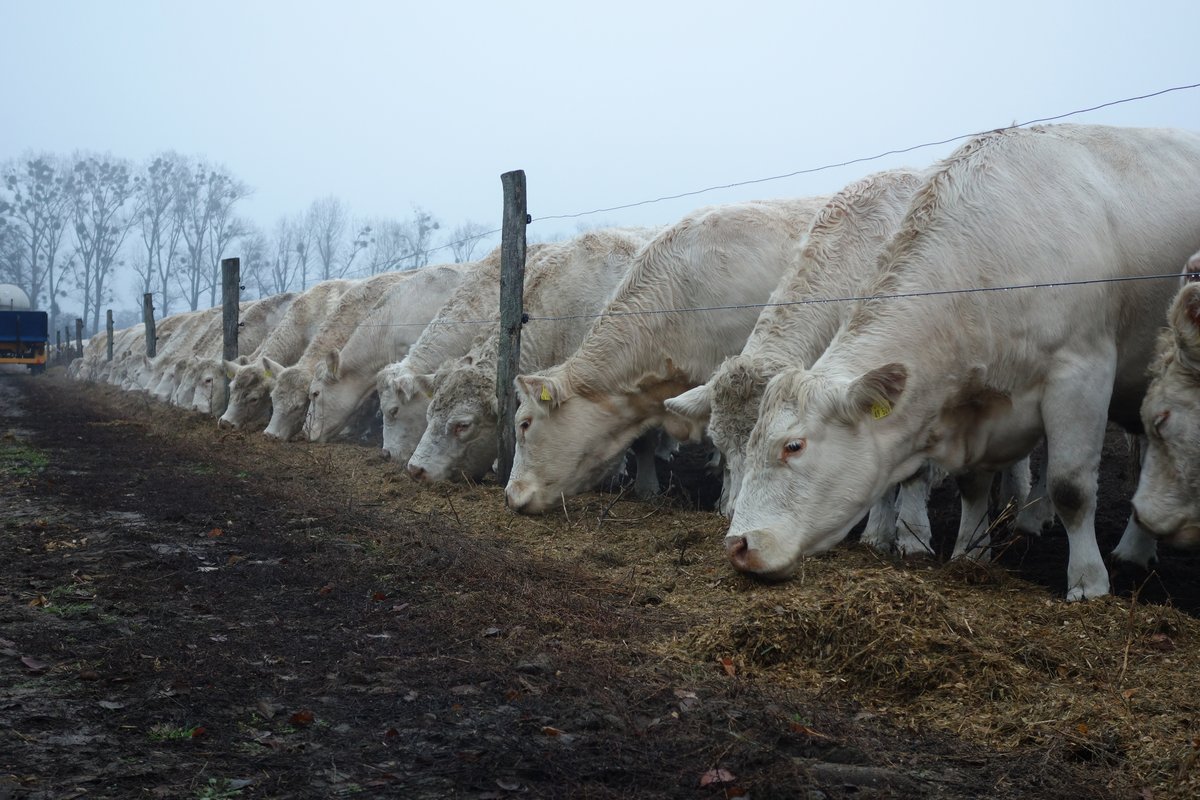
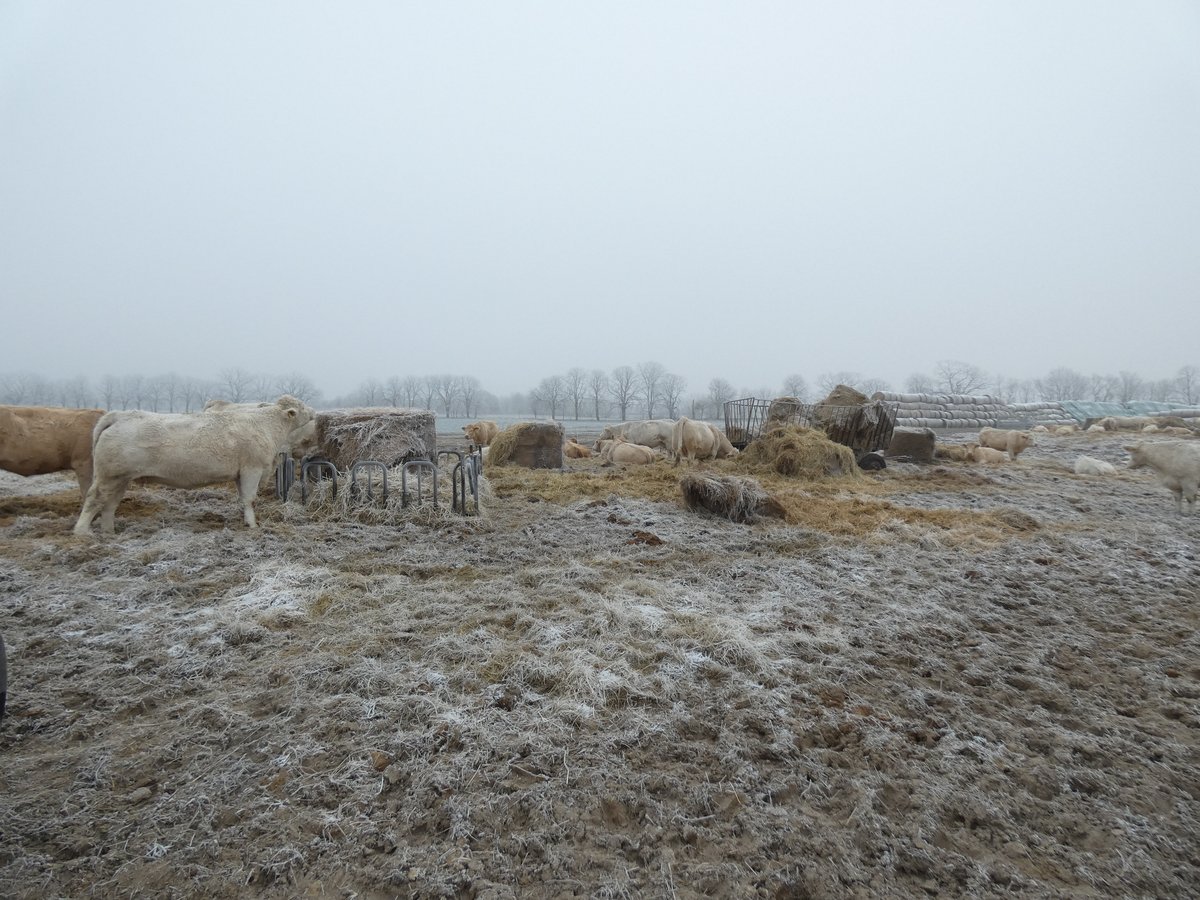
The energy requirements of suckler cows can be calculated very accurately based on their maintenance and production requirements. As a rule, 75–85 MJ ME per suckler cow per day is recommended for cows of average weight (DLG, 2009). For year-round outdoor grazing, the 10% increase in maintenance requirements to account for increased activity and temperature fluctuations must be taken into account, particularly in winter. In addition to energy requirements, the feed intake of suckler cows should be roughly estimated in order to calculate the animals’ potential energy intake. The energy balance can be estimated by assessing the BCS (see Figure 11), although an extreme decline in body condition must be avoided! On the other hand, significant over-conditioning can also lead to negative consequences for animal health or affect calving. Conditioning can be adjusted in cases of over-conditioning through feeding. Part of the ration can be supplemented by mixing in straw, over-mature hay or over-mature grass silage.
According to Sporkmann et al. (2016), water intake per suckler cow per day changes only slightly with a reduction in temperature. The authors cite figures of around 40 litres per animal per day. Data from the NRC (2016) also indicate average water intake for suckler cows of around 40 litres per day, although at temperatures below -5°C, only 2–3 litres of water per 1 kg of dry matter intake are reported. When assessing the water intake of suckler cows, the DM content of the feed must be taken into account. As a general rule: water must be available ad libitum and the animals must not suffer from prolonged thirst!
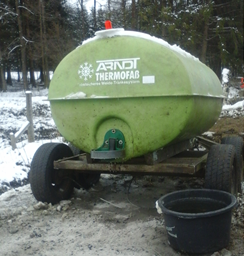
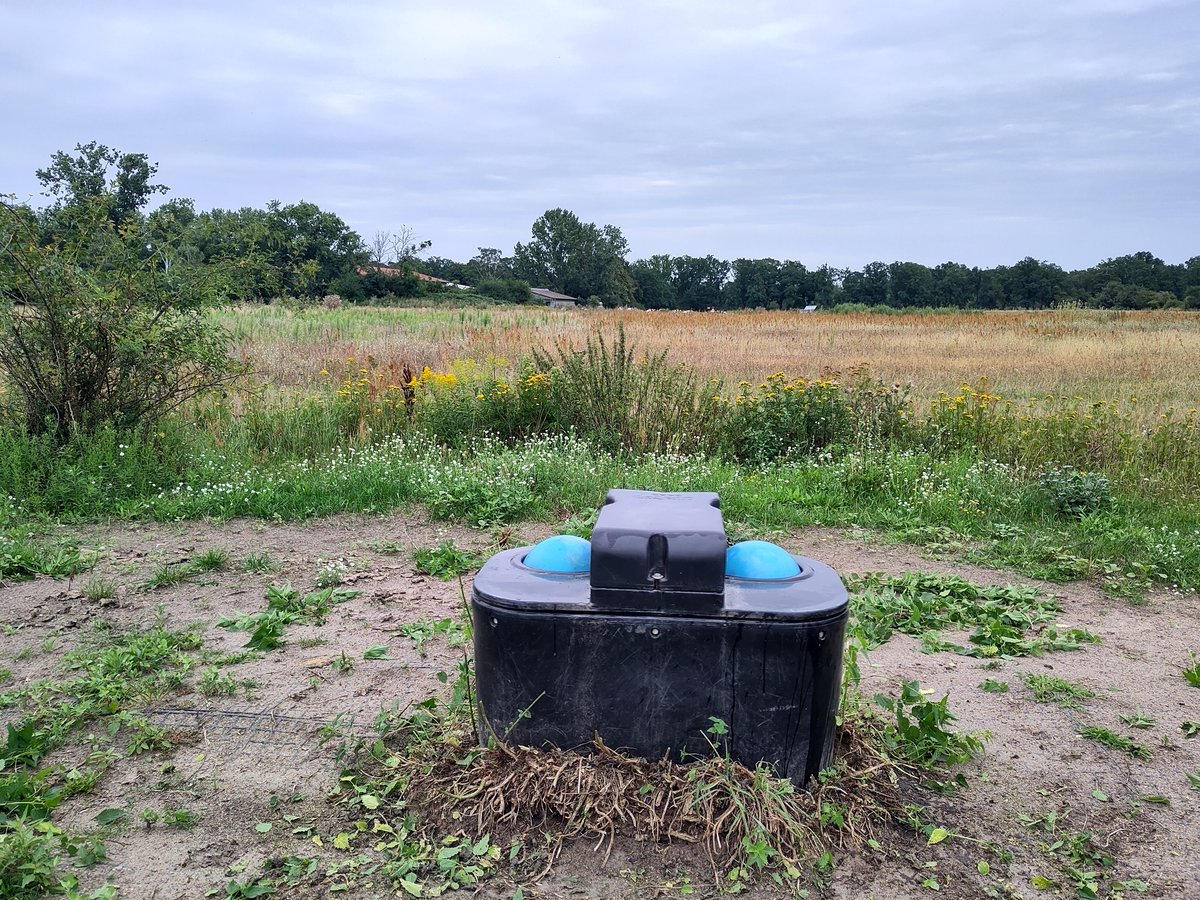
At sub-zero temperatures, care must be taken to ensure that the drinking troughs cannot freeze, which must be achieved through frost-free pipework or suitable drinking troughs. Watering facilities must be reliable at all times, allow for species-appropriate water intake and be easy to clean. Taking legal requirements into account, in the case of permanent pastures (where available), the use of running water, spring water and tap water is often the most economical option (KTBL Publication 481).