
- Uwe Beißwenger, LKV Baden-Württemberg
- Detlef May, Teaching and Research Institute for Animal Breeding and Animal Husbandry, Groß Kreutz
- Prof. Dr. Heiko Scholz, Anhalt University of Applied Sciences
- Prof. Dr. Ralf Waßmuth, Osnabrück University of Applied Sciences
● Leonie Schnecker, Landesbetrieb Landwirtschaft Hessen
- Marc-Andre Kruse-Friedrich, DLG e.V.
- Marc Schneeweis, medianet electronic communication & marketing GmbH
- Oliver Sahner, medianet electronic communication & marketing GmbH
Funding information
This document was developed as part of the joint project Network Focus Animal Welfare, funding code 28N419T01 to 28N419T17, by the "Suckler Cow" working group of the Animal Welfare Competence Centre for Cattle and was methodologically and didactically prepared by DLG e.V.
The joint project of the chambers of agriculture and agricultural institutions of all federal states aims to improve the transfer of knowledge into practice in order to make cattle, pig and poultry farms sustainable in terms of animal welfare, environmental protection and sustainable livestock farming.
The project is funded by the Federal Ministry of Food and Agriculture on the basis of a resolution of the German Bundestag.
All information and notes are provided without any guarantee or liability.
Publisher
DLG e.V.
Fachzentrum Landwirtschaft
Eschborner Landstraße 122
60489 Frankfurt am Main
Reproduction and transmission of individual sections of text, drawings or images (including for teaching purposes) and the provision of the information sheet in whole or in part for viewing or downloading by third parties is only permitted with the prior approval of the relevant office of the Animal Welfare Competence Centre for Cattle and DLG e.V., Marketing Department, tel. +49 69 24788-209, [email protected].
Introduction
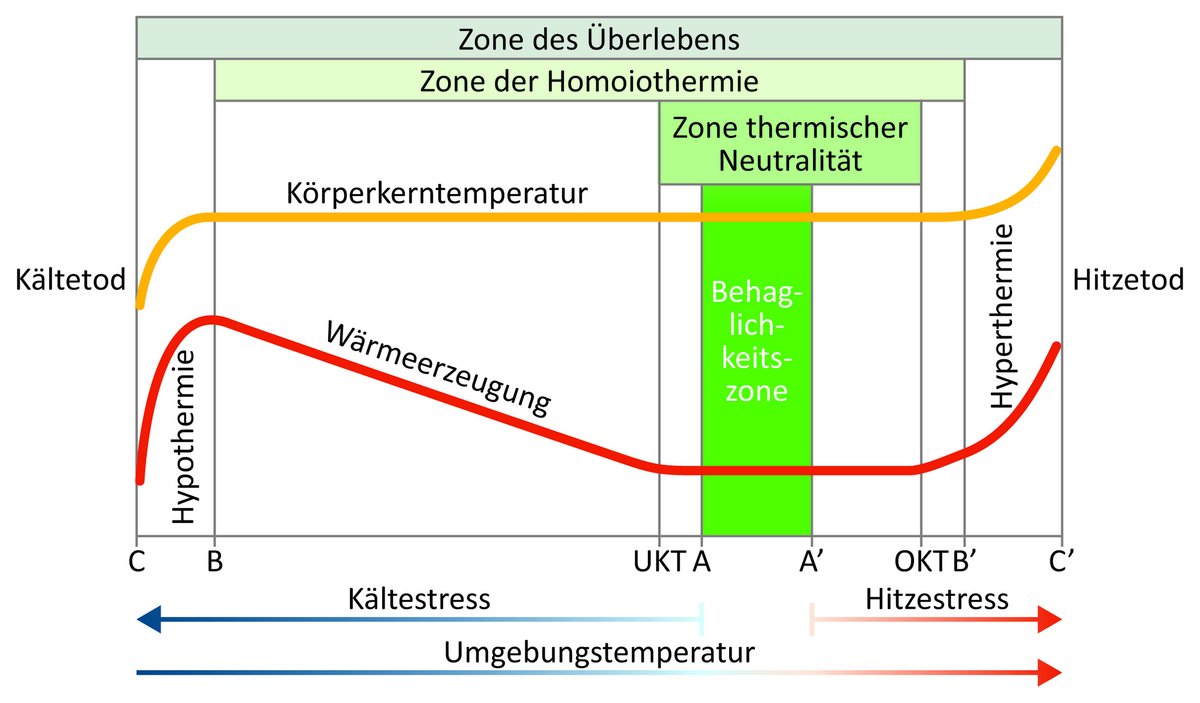
Some suckler cows are kept outdoors all year round. This exposes them to various weather conditions. The normal digestive processes of cattle (especially in the rumen) and, for example, milk production generate sufficient heat to prevent hypothermia. The loss of heat through the body surface depends on various factors that can be animal-related (e.g. energy supply, live weight, body condition, lactation status, breed, winter coat thickness and behaviour) and environment-related (e.g. rain, ambient temperature and wind speed). Depending on the environmental factors mentioned and individual animal factors, a "lower critical temperature" (LCT) or "lower critical temperature" (UKT) can be defined in Figure 2 according to Bianca (1968). This is described as the temperature at which heat loss is higher than the heat generated by the animal itself. According to Bianca (1968), this refers to point B, where the animal's physiological limit is reached. The rectal temperature of the animal can be measured, for example, to determine whether the core body temperature can no longer be maintained at a constant level in the given weather conditions and is beginning to drop. In Figure 2 according to Bianca (1968), this occurs when the temperature falls below point B.
This document is intended to raise awareness of the animal welfare issue of cold stress in pastures and to provide information for assessing the stress directly on the animal. Only when livestock owners can reliably assess cold stress can they fulfil their responsibility as livestock owners and be in a position to assess whether, for example, (existing) weather protection is sufficient for the animals or whether action needs to be taken. Many factors influence whether cold stress occurs or not. In addition to the legal basis, the most important key points of cattle thermoregulation (including adaptation reactions and consequences of exceeding the animals' ability to adapt), stressful and relieving environmental factors, and ways of reducing cold stress are presented.
Legal basis (laws, regulations, guidelines and recommendations)
With regard to weather protection, there are various guidelines, some of which are legally binding, while others are to be regarded as recommendations. The legal basis applies to adverse weather conditions in both winter and summer. The following text contains additional information that focuses specifically on weather protection in cold conditions.
National level
There are no legally binding requirements for the space required for weather protection for cattle, only recommendations, some of which differ considerably. In Germany, the Animal Welfare Act (TierSchG, 2020) and the Animal Welfare Livestock Farming Ordinance (TierSchNutztV, 2021) form the legal basis:

- Animal Welfare (Livestock) Ordinance §3(2)(3): “Housing facilities must be equipped in such a way that the animals are afforded sufficient protection from adverse weather conditions, insofar as this is necessary to maintain their health, and that the animals are protected from predators as far as possible; in the case of outdoor access, it is sufficient if the livestock are provided with shelter.”
- Animal Welfare Act §2 No. 1 “Anyone who keeps, cares for or is responsible for the care of an animal (1) must feed, care for and house the animal in a manner appropriate to its species and needs.”
- Animal Welfare Act §1 “No one may cause pain, suffering or harm to an animal without reasonable cause.”
The Animal Welfare (Livestock) Ordinance (2021) and the Animal Welfare Act (2020) are legally binding. The Animal Welfare (Livestock) Ordinance applies only to the keeping of livestock for commercial purposes, whereas the Animal Welfare Act applies to all animals – including those kept for non-commercial purposes (hobby farming) and those kept for landscape conservation and nature development projects.
At national level, the guideline on year-round outdoor husbandry (TVT Leaflet 85, 2006) provides guidance, albeit without being legally binding:
- Year-round grazing for cattle requires protection from the weather
- Protection against hypothermia is easier to provide than removing excess heat from the body
- The average lying time is assumed to be approximately 10 hours, with cattle being most active during the day
An area protected from the weather should be freely accessible to the animals. Individual dominant animals must not be able to deny access to other group members, for example where there is a narrow entrance or an area with only one entrance and exit. With regard to space requirements per animal, the figures provided by Sambraus (2006) (TVT Leaflet 85) may be adopted for freely accessible, weather-protected areas. If there are good opportunities for subordinate animals to retreat, smaller areas may suffice under certain circumstances. However, individual animals must not be permanently excluded from the weather-protected area. Furthermore, social thermoregulation can reduce the usual distance animals maintain from one another, thereby reducing the space requirement. In addition, the need to seek out weather-protected areas varies from animal to animal.
International level
There is a recommendation at European level:
The Council of Europe Recommendation (EUROPEAN CONVENTION FOR THE PROTECTION OF ANIMALS KEEPED FOR FARMING PURPOSES – RECOMMENDATION ON THE KEEPING OF CATTLE, adopted by the Standing Committee at its 17th meeting on 21 November 1988) applies, amongst other things, to all cattle in agricultural livestock farming. Article 16 of the recommendation refers to protection from the weather as follows:
“1. Where cattle are kept outdoors on pastures without natural shelter or shade, artificial shelter from the weather should be provided.
2. Pastures should be selected and managed in such a way as to ensure that grazing animals are not exposed to physical, chemical or other health hazards that the keeper can prevent.”
In addition, there is:
Beyond Germany’s borders, an example from Scotland can be cited. There, a regulation exists (Welfare of Farmed Animals, Scotland, Regulations (2010)):
“Animals not kept in buildings shall, where necessary and possible, be given protection from adverse weather conditions, predators and risks to their health and shall, at all times, have access to a well-drained lying area.”
“Animals not kept in buildings must, where necessary and possible, be protected from adverse weather conditions, predators and health risks, and shall at all times have access to a dry lying area.”
The Scottish Regulations indicate that there are four key factors in winter outdoor husbandry that cause the body to lose heat:
1. low temperatures
2. high wind speeds
3. damp, cold lying areas
4. precipitation, high humidity
5. protection from predators
Protection against predators also poses a challenge to animal welfare in winter outdoor husbandry; whilst this does not deprive cattle of warmth, it must nevertheless be mentioned as it is to be regarded as an additional risk factor. Due to the increase in contact between livestock and predators, livestock farmers must plan and implement protective measures against predators to the extent that this is reasonable.
Thermoregulation in cattle under environmental stress
Cattle are warm-blooded animals and therefore maintain a constant body temperature (approx. 38–39 °C). The purpose of thermoregulation is to keep this body temperature as constant as possible, regardless of the ambient temperature. The greater the effort required by the body to maintain a constant body temperature, the greater the ‘weather-related stress’. The following section explains the basics and interrelationships of thermoregulation in cattle.
Temperature zones and thermoregulatory capacity
According to Bianca (1968), the thermoneutral zone, in which the animal does not need to expend additional energy to regulate its body temperature, lies between 0–16 degrees Celsius for cattle.
If the limits B and B’ are exceeded or not reached, the animals can no longer maintain their body temperature within the physiological range and their lives are at risk (Sporkmann et al., 2016).
Calves whose mothers care very well for their offspring (early licking to dry them, presenting the udder, physical closeness, providing shade and warmth, etc.) have a higher tolerance to adverse weather conditions than those left to fend for themselves. The thermoneutral zone for suckling calves is described as between +15 °C and +25 °C at a humidity of 50% to 60%. For older calves, which already have a functioning rumen and are therefore able to ruminate, the thermoneutral range is assumed to be between +5 °C and +15 °C (Berkemeier, 2021 in Elite Magazin; Hufelschulte, 2020 in topagrar).
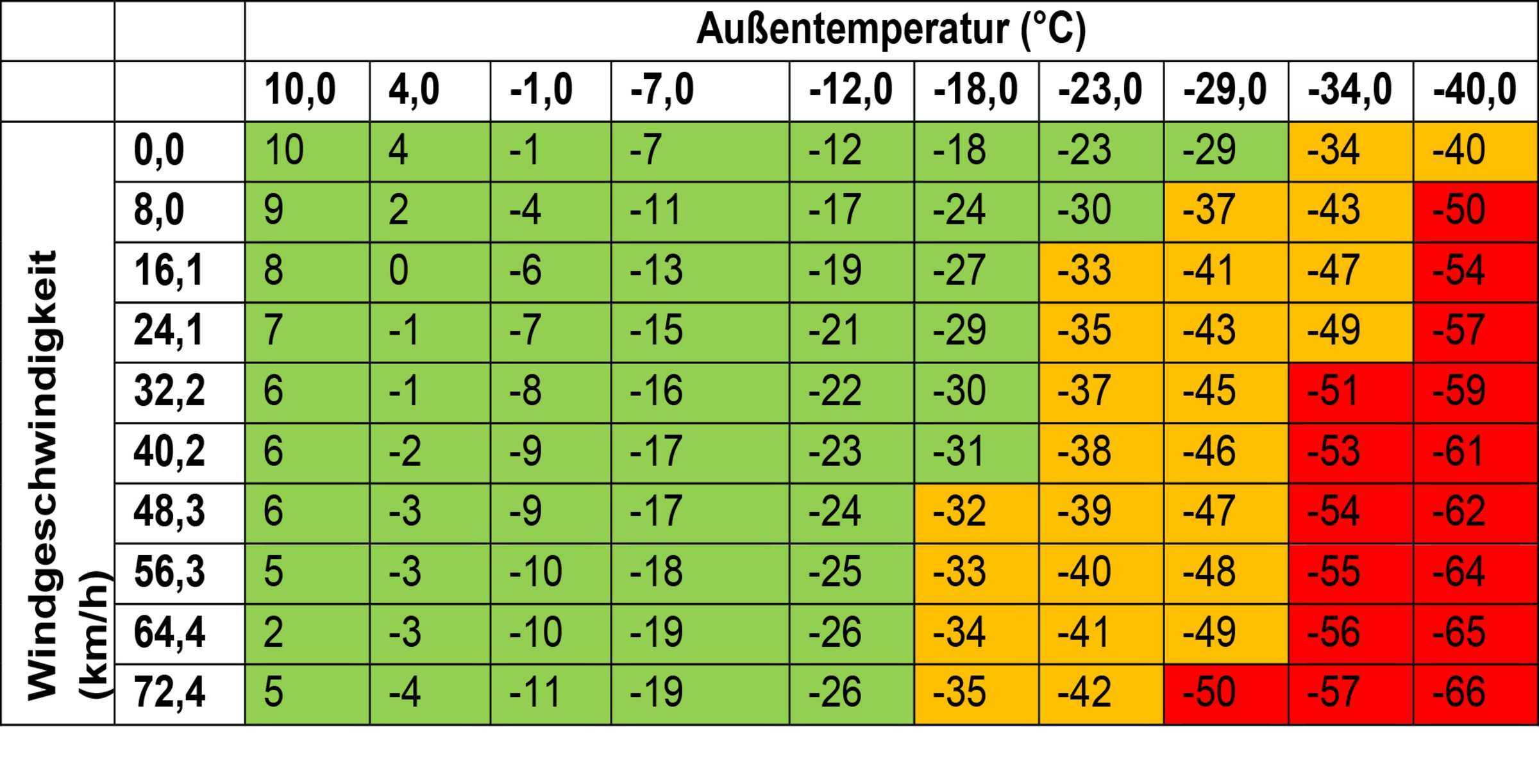
Green zone: low risk for adult animals
Orange zone: increased risk of necrosis due to cold exposure in areas with little hair (udders, scrotums); stress for animals with latent diseases
Red zone: high risk, particularly for young animals
Limits of adaptability
- As soon as the core body temperature falls below the normal range (37.5 °C), this is referred to as hypothermia (Dirksen et al. 2006). If the core body temperature continues to fall, there is a risk of death from exposure
- The greater the thermal stress, the more maintaining core body temperature competes with physical performance and health (‘enhanced adaptation’)
- If heat uptake/production falls below heat loss, core body temperature drops
- Wind can extract considerable amounts of heat from the body; as wind speed increases, the temperature at which animals can maintain their physiological core body temperature rises
- Table 4 lists the outside temperature, which is dependent on wind speed. The lower the outside temperature and the higher the wind speed, the lower the ‘wind chill’
According to the NRC (2016), suckler cows characterised by good body condition and an adapted winter coat can easily tolerate a temperature of -21°C in mid-gestation. However, the coat must be dry and clean for this to be the case. According to the NRC (2016), lactating suckler cows can also survive lower temperatures without physical harm. However, at temperatures below -30°C, cold stress generally sets in (Anderson et al., 2022). For weaker animals, the cold tolerance limit should be around -29°C. If the rectal temperature falls below 28°C, immediate action must be taken, as the animals can no longer regulate their own body temperature. Rectal temperature is considered the gold standard, but is only moderately feasible in practice.
According to Mader et al. (2010), six categories of cold stress can be identified based on temperature, as shown in Table 5. It is evident from this that an extreme cold stress situation was only classified from -30 °C onwards. It should be noted that the classification of temperature categories may vary between breeds and also between individual animals.
| CCI Temperature (°C) | Assessment |
| Above 0 | no cold stress |
| 0 to -10 | mild cold stress |
| -10 to -20 | moderate cold stress |
| -20 to -30 | severe cold stress |
| -30 to -40 | extreme cold stress |
| below -40 | WARNING / LIFE-THREATENING |
<figcaption>Table 5: Comprehensive Climate Index (CCI) according to Mader et al. (2010)</figcaption>
Of particular interest here are the findings of Sporkmann et al. (2014), who reported that no changes in water intake were observed in suckler cows, regardless of the Comprehensive Climate Index level. Nor did the number of visits to the drinking troughs show any clear trend with increasing cold stress (Sporkmann et al., 2014).
(adapted from FAT Report No. 620)
(adapted from FAT Report No. 620)
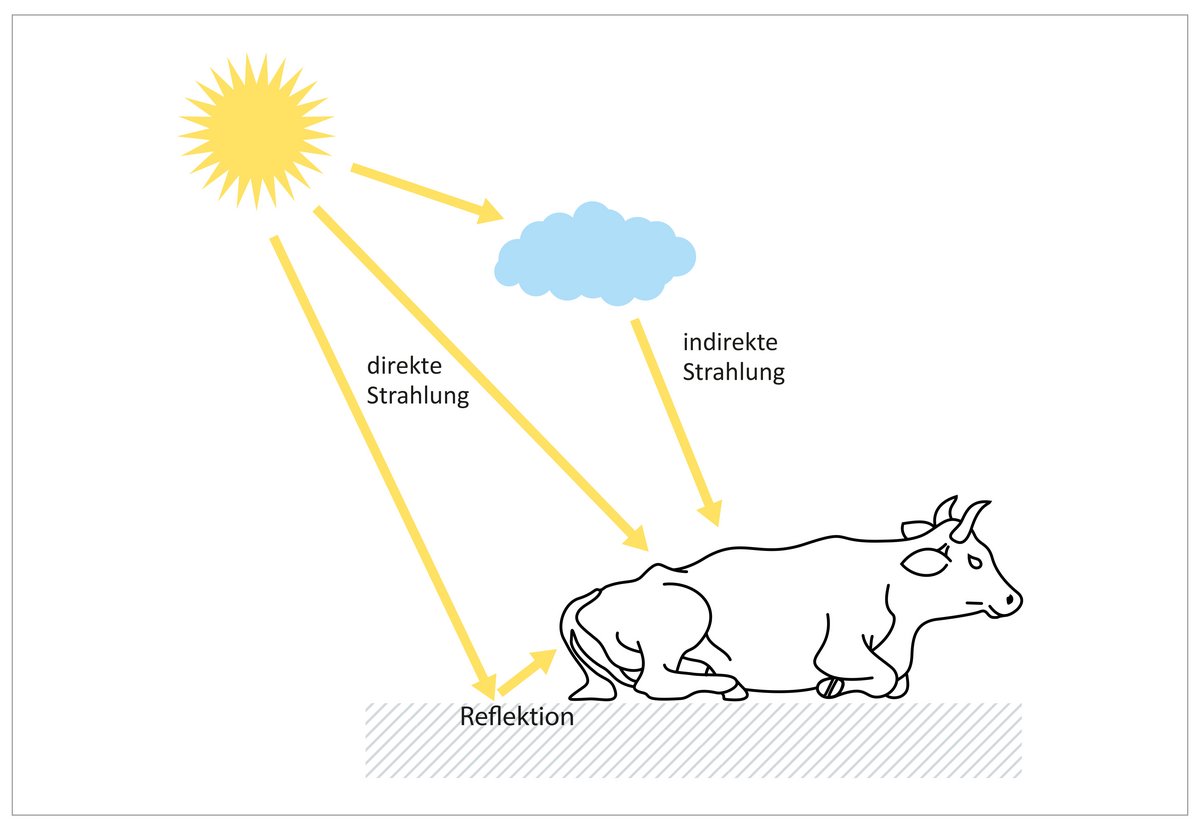
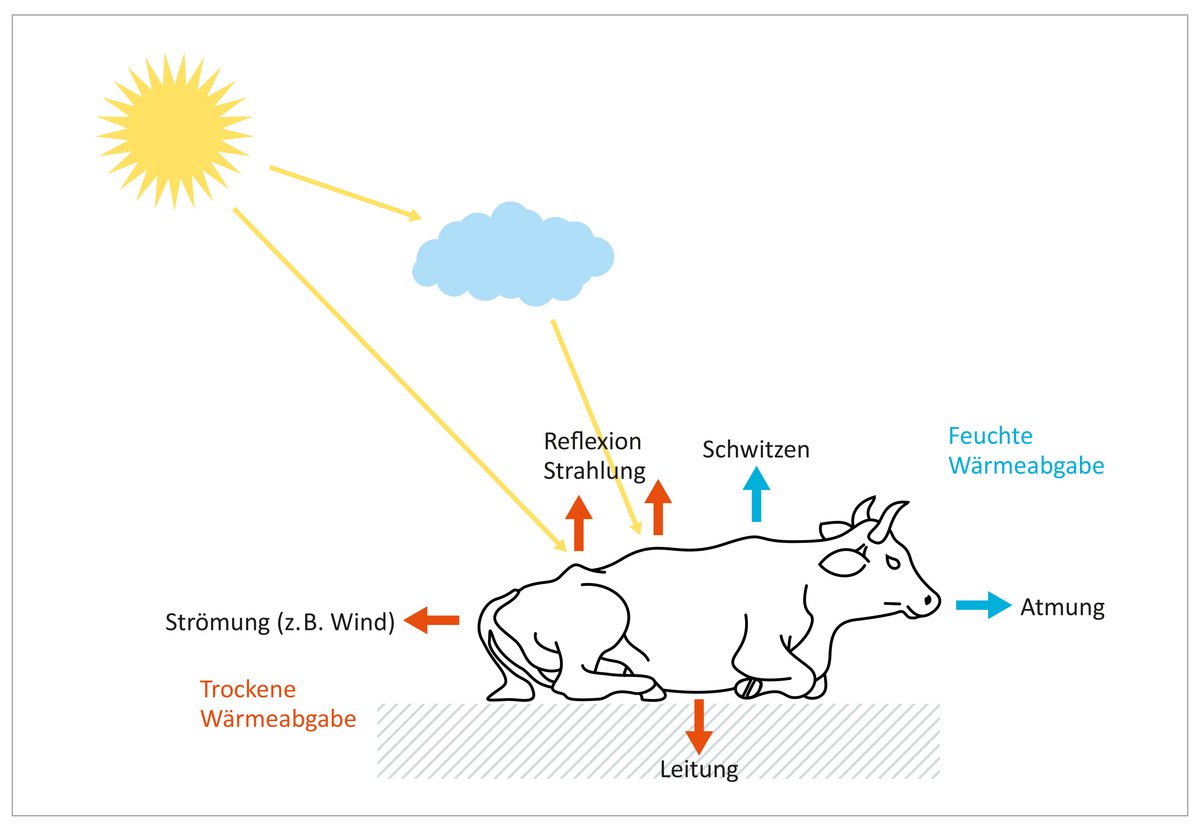
Heat transfer
There are various ways in which heat can be exchanged:
- Heat conduction: Heat flows towards the medium with the lower temperature (e.g. water, air, soil)
- Heat convection: Heat is carried away by a flowing medium (e.g. wind)
- Radiation: Heat is transferred via electromagnetic waves (e.g. sunlight)
- Evaporation: Energy dissipation via water vapour (sweating, panting)
Direct sunlight significantly increases the animal’s heat gain. Cloud cover reduces heat gain compared to direct radiation.
Cold and wet resting areas, (high) wind speeds and wet fur increase heat loss in winter.
Environmental factors that exacerbate or alleviate cold stress
In general, low temperatures, high wind speeds, damp and cold lying areas, precipitation and high humidity increase heat loss and thus contribute to cold stress.
| Stressful animal-related factors | Consequences for suckler cows |
| Damp, soiled coat (e.g. from lying on the ground without bedding) | Increased heat loss (damp coat loses its insulating effect) |
Incomplete development of winter coat and/or coat partially damaged by ectoparasite infestation | Increased heat loss |
| Low body reserves – thin subcutaneous fat layer | increased heat loss |
The adverse weather conditions listed in Tables 6 and 7, and their resulting consequences for suckler cows, can lead to poor body condition, disease, an associated increased energy requirement during illness, hoof problems, metabolic disorders, and hair damage or loss caused by ectoparasites.
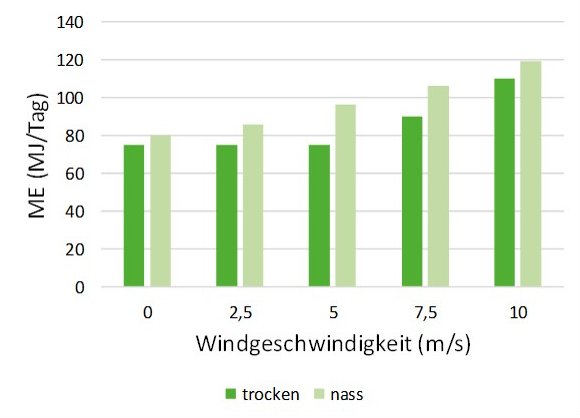
Research from Scotland by Morgan et al. (2011) clearly shows that the energy requirements of (pregnant) suckler cows can vary greatly depending on wind speed and the condition of their winter coat. For instance, energy requirements can rise from around 80 MJ ME per suckler cow per day in calm conditions to almost 120 MJ ME per day when the coat is wet and the wind speed is 10 m/s (Figure 4).
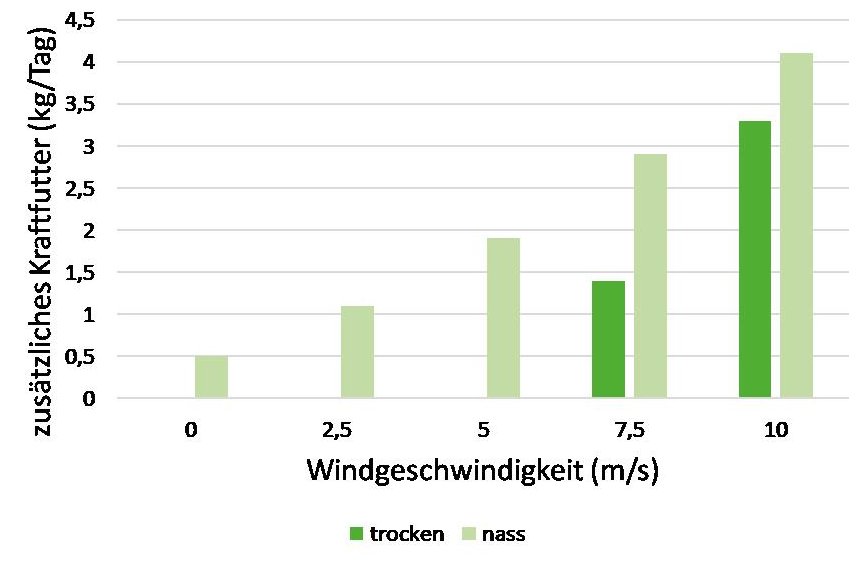
Depending on the feeding system, the increased energy requirements of suckler cows during cold spells cannot be addressed in the short term by simply adjusting their existing feed or ration. Livestock farmers must be able to make adjustments. Against this background, Morgan et al. (2011) recommend offering the animals additional feed in the form of concentrate during cold stress to mitigate the effect of increased heat loss. Here, the farmer must make a decision based on wind speed, coat condition and body condition. The recommended amounts of additional concentrate feed according to Morgan et al. (2011) are shown in Figure 5. Management practices must also be adapted accordingly, and access to pasture must be maintained even in poor weather conditions.
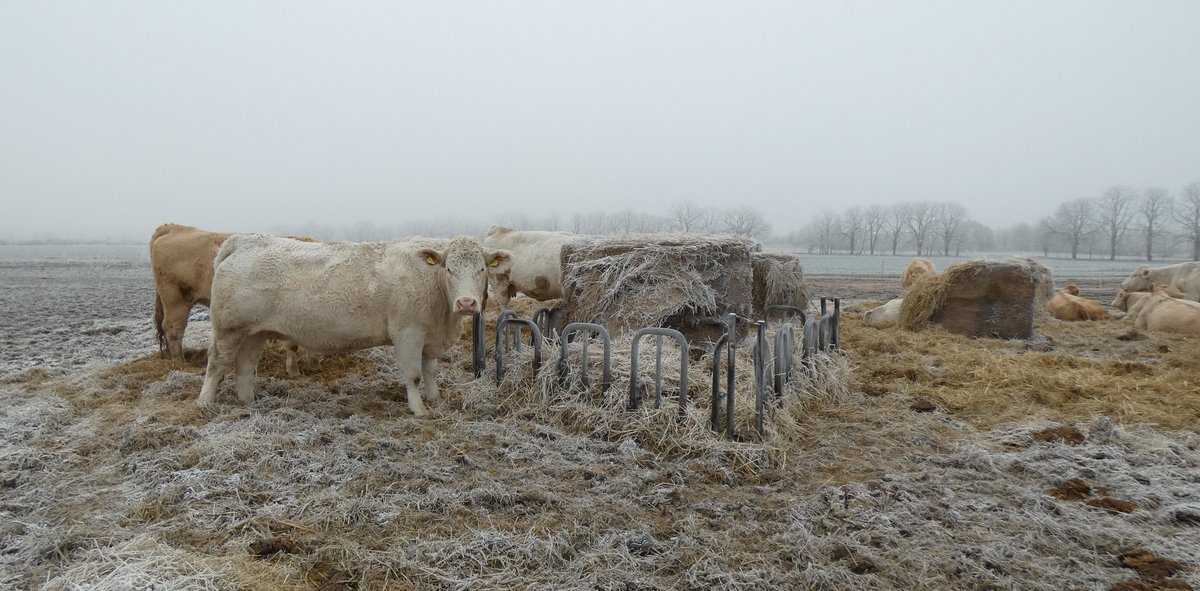
To counteract adverse environmental factors and their resulting consequences, attention should be paid to mitigating factors relating to the animals and weather conditions, as listed in Table 8. This is based on animals being in good health and having adequate protection from the weather.
| Mitigating animal-related factors | Mitigating housing factors |
| dry winter coat | bedding-covered lying area |
| optimal feed and energy intake | Wind protection |
| Good physical condition | Rain protection |
| Good health is essential | |
| Individual animal adaptation responses (see 4.2.) |
<figcaption>Table 8: Mitigating factors for suckler cows and their calves (Animal Welfare Network, Suckler Cow Working Group)</figcaption>
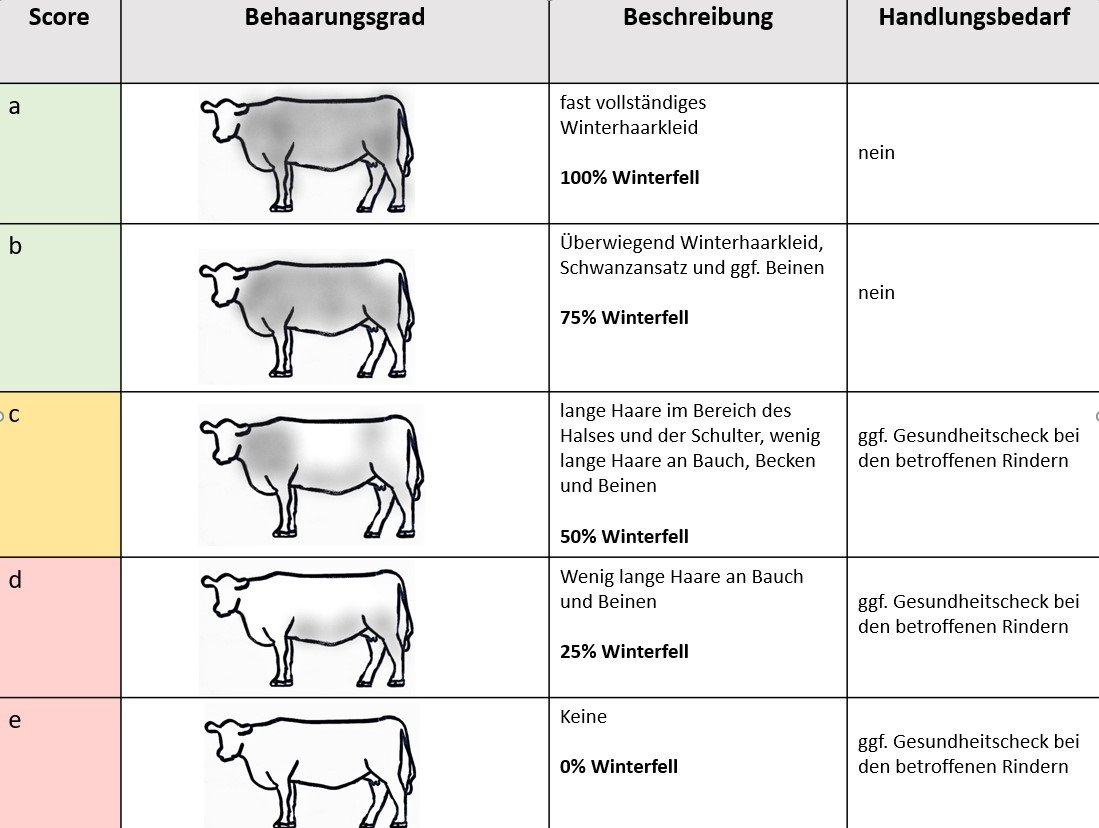
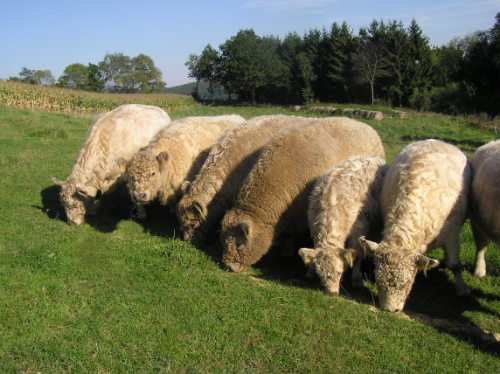
Adaptive responses and capabilities
Suckler cows may respond to cold stress with changes in behaviour, health and performance. A distinction must also be made here between short- and medium-term adaptive responses and capabilities.
An important aspect for suckler cow farmers is training their eye to recognise and assess the winter coat, see Figure 7. This can vary within a herd, breed and over the course of the year, see Figure 8. The winter coat should be assessed once at the start of winter. The cooler the region becomes, the earlier the winter coat should be assessed (by early November at the latest). In older and younger animals, the coat change may take longer. The aim should be for approximately 60% of the animals to fall into scores a and b.
Short-term ethological adaptive responses
Cattle exposed to cold stress are unable to exhibit their normal behaviour. Consequently, biological functions, animal welfare and health may be impaired. This may be accompanied by behavioural changes which, if needs are not met, can develop into behavioural abnormalities (Polsky and von Keyserlingk, 2017).
| Behavioural element | Reaction to heat loss |
| Body posture |
|
| Change of location |
|
| Behavioural changes |
|
<figcaption>Table 9: Ethological adaptation – reduction in heat loss (after Waßmuth et al., 1999)</figcaption>
According to Sporkmann et al. (2016), lying behaviour also decreases as the CCI increases (i.e. lower temperature). Up to -10 °C, an average of 9.5 hours per day was spent lying down. At temperatures between -10 and -20 °C, this lying time decreased to less than 8 hours per cow per day.
Table 10 shows that cattle avoid lying down on uninsulated surfaces in damp-cold and dry-cold weather and tend to seek out bedded areas in such conditions. Seeking shelter, on the other hand, is preferred under these weather conditions and less so in dry-warm weather. The feeding area alone, at a corresponding distance, is visited more frequently in dry-warm and damp-cold weather and less frequently in dry-cold weather.
| Weather | |||
| Behaviour | dry - warm1 | damp and cold2 | dry and cold3 |
| Lying on uninsulated surfaces | 12% | 0% | 0% |
| Seeking out the bedding area | 0% | 4% | 18% |
| Seeking out the shelter | 5% | 24% | 22% |
| Visiting areas > 80m away from the feeding station | 80% | 50% | 26% |
<figcaption>Table 10: Behaviour depending on weather conditions (proportion of cows), according to Waßmuth et al. (1999)1 dry and warm (>6°C)2 damp-cold (-6°C–0°C, precipitation3 dry and cold (<-6°C)</figcaption>
Short-term physical adaptation response
- Mobilisation of bodily reserves
- Vasoconstriction
- Shivering
- Increase in oxidative processes
- Reduction in respiratory rate to below 20 breaths per minute (Webster, 1974)
Medium-term physiological adaptation response
Over the course of the year, body reserves must be built up and broken down depending on the calving season (Figures 10 and 11). It is important to note that beef cattle are ‘build-up’ types rather than ‘turnover’ types. The appropriate body condition for the relevant season is required. This is easier to achieve if the animals are healthy and able to adapt to the changing seasons. The adaptation of the coat to the season is another medium-term adaptive response. The degree of hair cover according to Durbin et al. (2020) (see Figure 8) can be used to assess the change in coat. The change in coat has a strong genetic component (high heritability), but mineral supply and, where applicable, disease-related coat change problems also play a role. Breed-specific differences in skin thickness and thermoregulation should also be taken into account. For instance, Galloways with thicker skin and denser hair suffered fewer injuries from frozen troughs, and weanlings born close to winter have thicker skin.
Side note: Body condition in suckler cows
To avoid problems relating to fertility and calving, suckler cows should not be allowed to become over-conditioned during the calving season. By assessing body condition, the animal can serve as a direct indicator. Figures 9 and 10 show the target body condition scores for suckler cows. These vary throughout the year depending on the expected calving date. By the time the calves are weaned, the loss of body condition following calving should have been compensated for (KTBL Publication 481). Figure 11 illustrates the lumbar grip method for assessing the body condition of suckler cows.
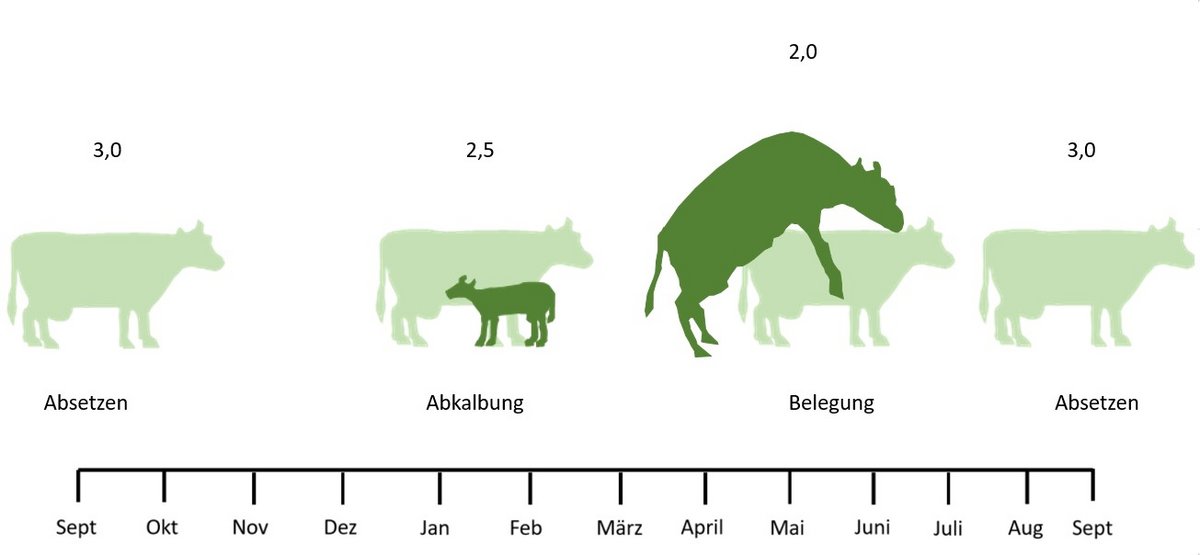
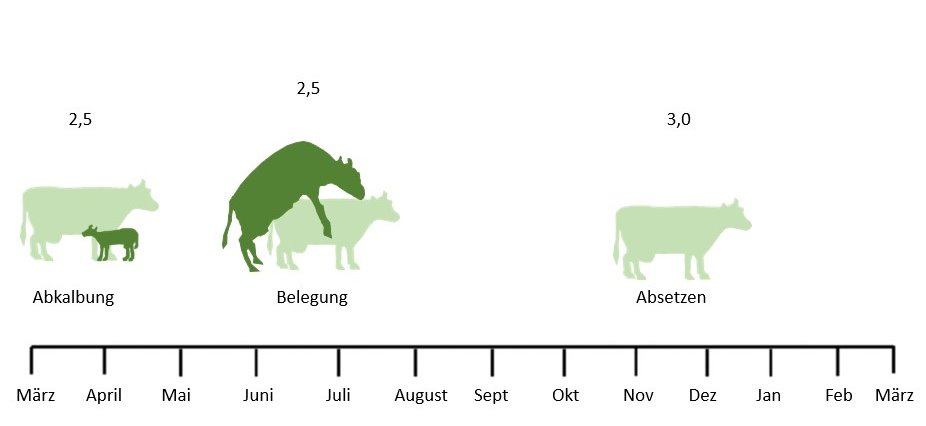
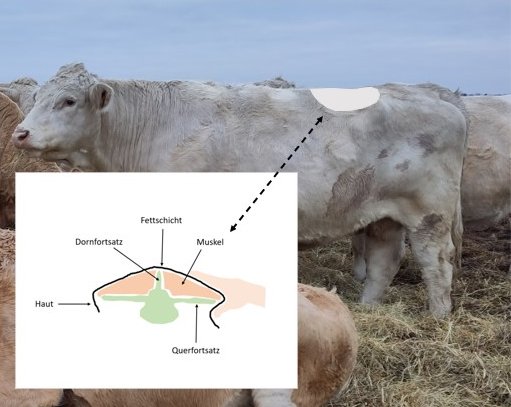
Effects on animals when their capacity to adapt is exceeded
When managed correctly, winter outdoor housing promotes health but does not cure diseases. Therefore, only healthy cows may be kept outdoors in winter. Even in outdoor housing, separate care for individual animals must be ensured in the event of illness or injury.
The adaptive responses of sick animals are limited by, for example:
- Ectoparasite infestation, which damages the resilience of the winter coat; particular attention must be paid to lice in winter
- Endoparasitic infections/worm infestation
- Lame animals that have difficulty moving
- Metabolic disorders
- impaired feed conversion/intake
- Chronic diseases
- Multiple concurrent problems/diseases further restrict adaptive responses
Health consequences:
- Increased incidence of diseases due to excessive heat loss (winter): autumn tetany, metabolic disorders, respiratory diseases, parasitic infections, frostbite on the extremities (calves: ear necrosis)
- Severe depletion of body reserves, emaciation
Design of weather protection to provide insulation against the cold
The cows must be able to retreat to a sheltered area in adverse weather conditions. This area must be designed in such a way that heat loss—for example, due to wind—is reduced, the coat remains relatively dry, and heat loss to the cold, damp ground is minimised when the cows are lying down.
Furthermore, a weather-protected area is a clear indication that the livestock keepers are fulfilling their duty of care towards the animals.
Furthermore, a natural (rows of trees and bushes), weather-protected area enriches flora and fauna by providing a habitat for birds, insects, etc.
Objectives for the design of weather protection:
- sufficient resting time (otherwise exhaustion may occur)
- normal rumination behaviour (energy for heat production)
Key elements of weather protection
- Wind protection
- Lying area: reduce conductive heat loss through bedding
- Protection from precipitation
There are various ways to incorporate these key elements without overburdening the individual animal.
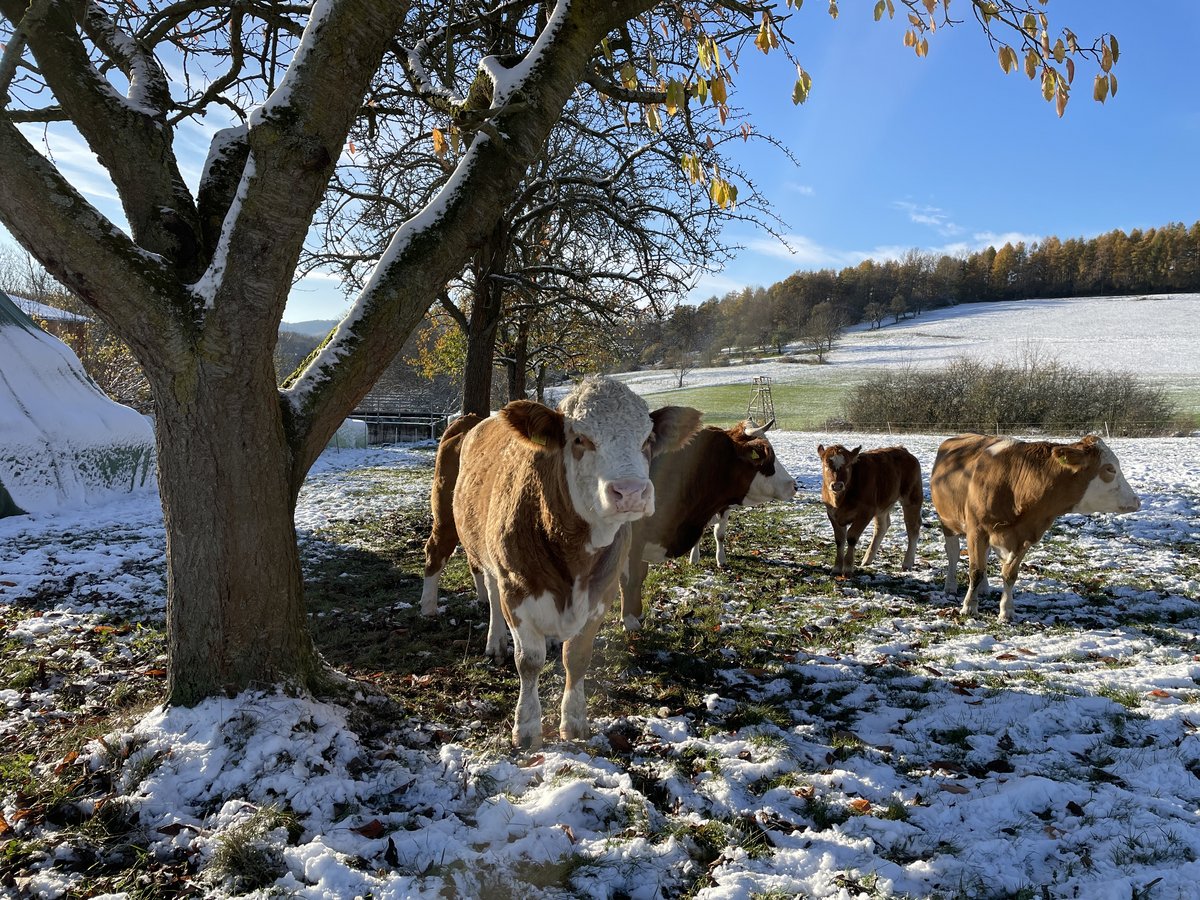
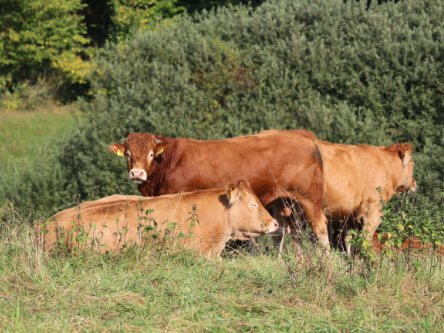
Types of weather protection
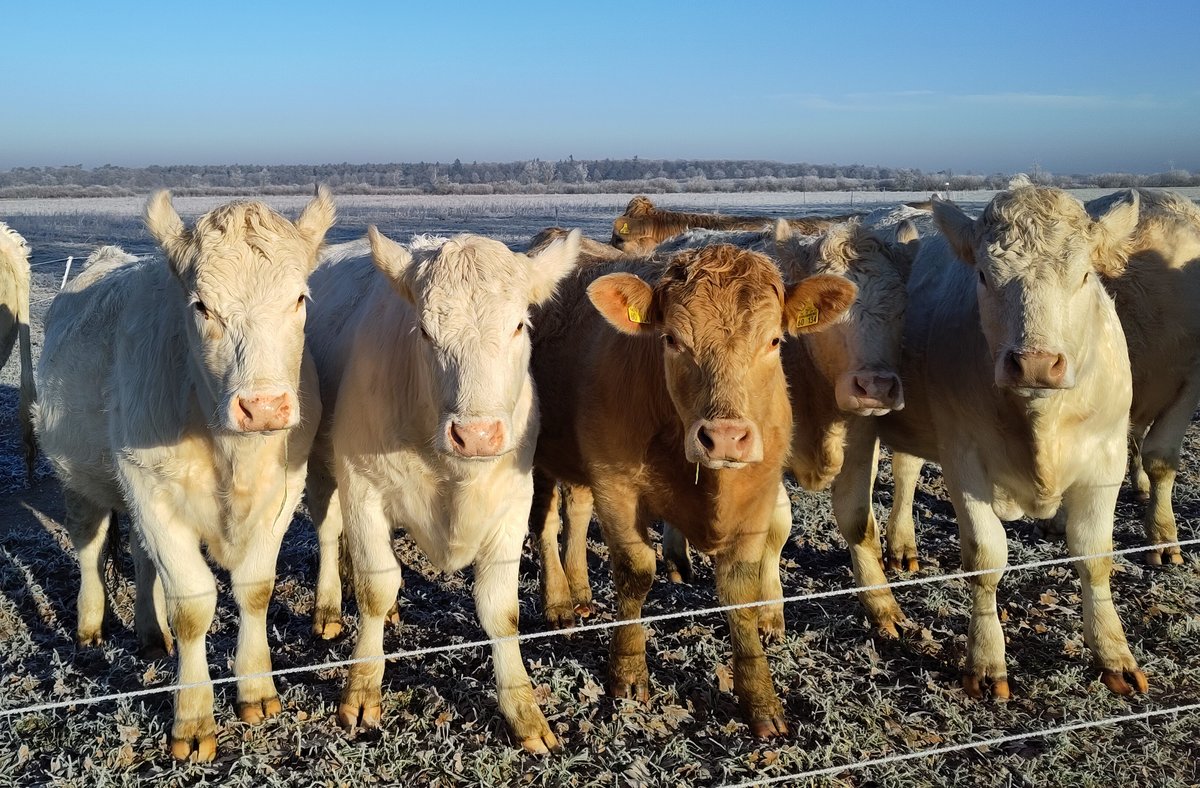
It is essential to provide a bedded, wind-protected resting area that must be kept dry in order to ensure that cows spend around 50% of the day lying down. Areas with high levels of precipitation (snow and rain) may require a roof (shelter). Studies show that the duration of lying down by cows in snowy areas was sufficient when they had access to shelter. The cows’ lying times decreased significantly (from 50% of the day to 35%) when access to the shelter was not possible (Morgan et al., 2011). This clearly demonstrates that in regions with high levels of precipitation (snow or rain), shelter is of some importance. In areas with low winter precipitation (continental climate), however, shelter is generally not required if sufficient lying areas are available. Site- and farm-specific approaches should be promoted and implemented by livestock farmers. Various systems of weather protection can be combined in this context.
Wind protection
High wind speeds can also cause the body temperature of suckler cows to drop. Against this background, wind protection appears to be necessary for such weather conditions. If rain or drizzle additionally soaks the suckler cows’ coats, the insulating effect of the coat is significantly reduced and the processes involved in drying the coat generate additional evaporative cooling. In the case of short-term events, no impact on the welfare of the suckler cows is expected. However, should the combination of wind and rain persist for several days, providing shelter would be beneficial for the cows’ thermoregulation.
- Reduction of heat loss through natural shelter such as hedges, rows of trees and woods, or artificial windbreaks such as windbreak walls (straw bales or windbreak nets) or shelters aligned to provide protection against the prevailing wind direction
- if wind and rain persist = rain protection required
The extent to which wind protection is required for the outdoor rearing of suckler cows must always be assessed on an individual farm basis. It should be borne in mind that wind protection can also provide protection against rain when wind and rain occur simultaneously.
Natural wind protection
Provide wind-protected areas for suckler cows and calves:
- Rows of trees and bushes
- Deciduous trees: are only suitable to a limited extent
- trees of varying heights provide good protection
- Hilly terrain* (animals position themselves behind hilltops)
- Deep bedding provides (partial) protection from the wind
*Terrain with hills, hollows and depressions
Type of windbreak | Distance from the windbreak Height of the windbreak multiplied by factor… | ||||
| 5 | 10 | 15 | 20 | 30 | |
| Reduction in wind speed (%) | |||||
Deciduous tree, single row, porosity: 65–75% | 50% | 65% | 80% | 85% | 100% |
Conifer, single-row, porosity: 40–60% | 30% | 50% | 60% | 75% | 95% |
Conifer, multi-row, porosity: 20–40% | 25% | 35% | 65% | 85% | 95% |
Windbreak, porosity: 0% | 25% | 70% | 90% | 95% | 100% |
If an area lacks natural, established windbreaks, trees planted in a single row or, preferably, in multiple rows can provide protection (KTBL Publication 481). According to Brandle and Finch (1991), conifers planted in a single row with a porosity of 40–60% result in a density of between 40 and 60%. This reduces the wind speed on the leeward side (the side facing away from the wind) to approximately 30% of that on the windward side (the side facing the wind). The area thus protected is five times as deep as the tree row is high. Planting in multiple rows with a porosity of 20–40% achieves a density of 60–80% and reduces wind speed to 35%. In this case, the protected area extends to a depth equivalent to 10 times the height of the trees (Table 11).
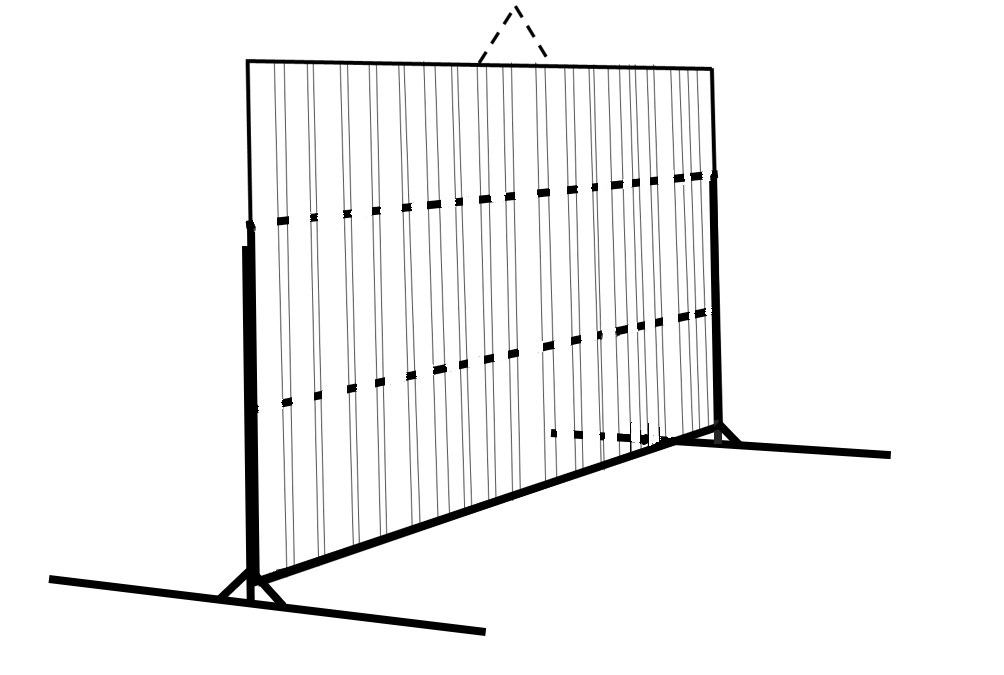
Structural windbreaks
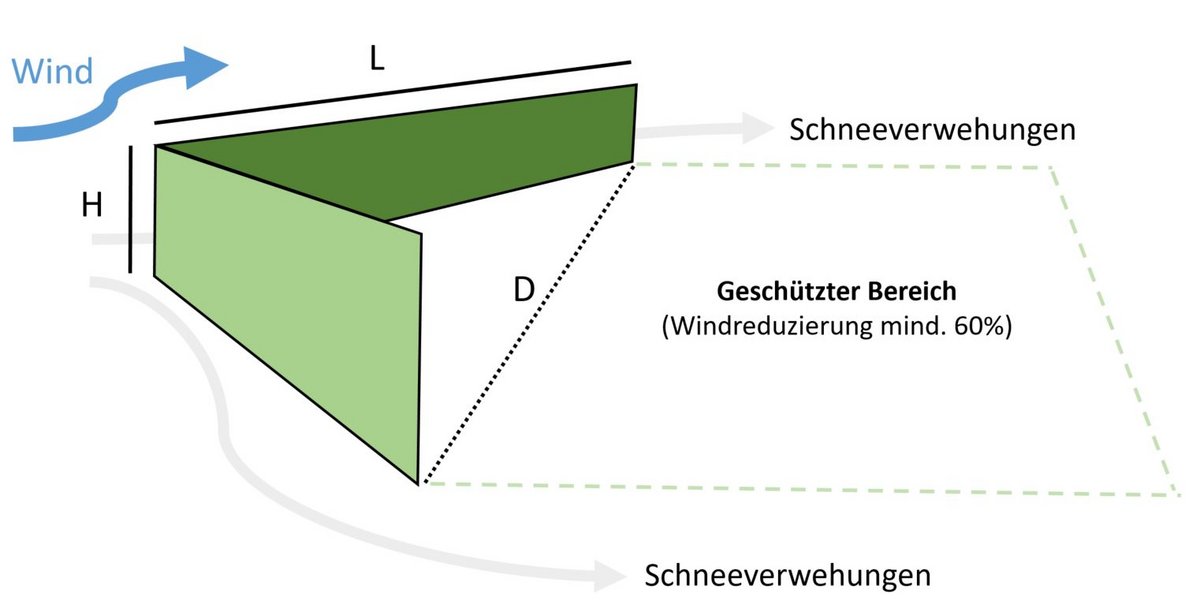
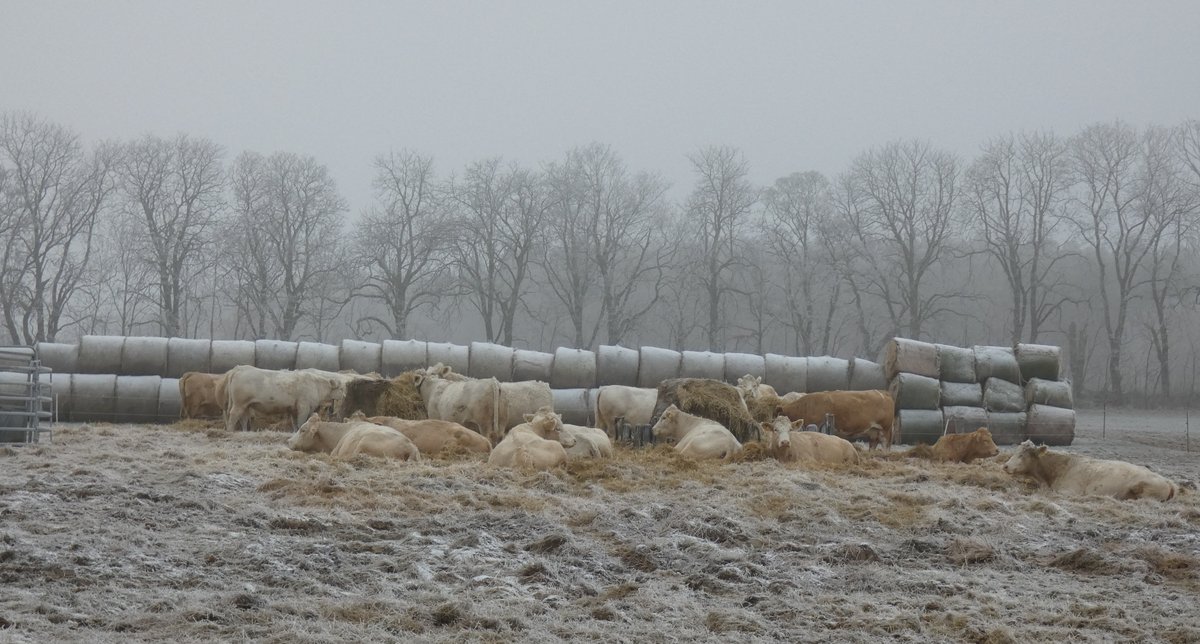
If there is no naturally occurring windbreak for the animals on the land, it is possible to erect windbreaks. Ideally, these should be:
- portable
- permeable (to prevent turbulence)
- ideally: V-shaped (90°)
According to North American studies by Klein (2009), a porosity of 20–35% is considered optimal. Wind speed is reduced to 20–30% of the initial level.
Example: 9 m/s (32 km/h) is reduced to 1.8–3 m/s (6–9 km/h)
Care must be taken to ensure that the windbreak extends to the ground to prevent draughts (KTBL Publication 481). A windbreak is effective within an area whose depth corresponds to 6–8 times the height of the windbreak (Figures 14 & 15).
Assuming a space requirement of approximately 7 m² per cow and calf, the following wall dimensions and floor areas apply depending on herd size (KTBL Publication 481):
| Herd size (cow-calf pairs) | Required sheltered area1) | Windbreak 2) 3) | |
| n | sq m | Height (m) | Length (m) |
| 20 | 140 | 2 | 12 |
| 50 | 350 | 3 | 19 |
| 100 | 700 | 4 | 29 |
| 200 | 1400 | 4 | 58 |
<figcaption>Table 12: Area of the sheltered area and wall dimensions depending on herd size, according to KTBL Publication 481 (2010)1) Space requirement per cow-calf pair approx. 7 m² (cow: 500–700 kg); calf: older than 2 months; polled). 2) Protected area = length × (height × 6), rounded. 3) Porosity of the windbreak wall 25 to 33%.</figcaption>
L-shaped, T-shaped or cross-shaped floor plans offer optimal protection; in addition, care should be taken to ensure that the sides are of equal length. To give lower-ranking animals the opportunity to escape, and as they are of limited practical use, acute angles should be avoided (KTBL Publication 481).
Comparative studies
Graunke (2007) studied the behaviour of suckler cows in Sweden between December and March (winter) on a pasture with access to various sheltered areas:
[1] without shelter,
[2] woodland,
[3] shelter and facing the wind, and
[4] near shelter and facing the wind.
(In [3] and [4], it depends on the animals’ exact location.)
Here it became apparent that, depending on the wind chill temperature (which refers to the perceived temperature; see Chapter 3.2), the decision to remain in the open or in the forest was significantly influenced. At low temperatures, combined with strong winds, the forest was more likely to be sought out as natural shelter. Structural windbreaks, by contrast, were rarely used (Graunke, 2007). She concludes that suckler cows and cattle were able to adapt to the weather conditions and behaved in accordance with the degree of shelter available. It is important to note that “…the cows and heifers were able to find warmer wind chill temperatures without necessarily having to seek out the three protective grazing areas”. The conclusion of the comparative study is that individual animal and site-specific differences (precipitation, soil conditions, etc.) must be taken into account, as correspondingly different solutions are possible.
Golze (2000) and Zube (1996) also state that suckler cows and beef cattle only utilise the artificial shelter area (shelter) after a prolonged period of rain with low temperatures and strong winds.
Livestock farmers should always ask themselves why a shelter is not being used, for example, whether there were disadvantages for the animals inside the shelter that outweighed the risks of being exposed to bad weather. Accessibility often plays a role; the location of the shelter and the associated view of the pasture can also determine whether or not the animals use it.
sleeping area
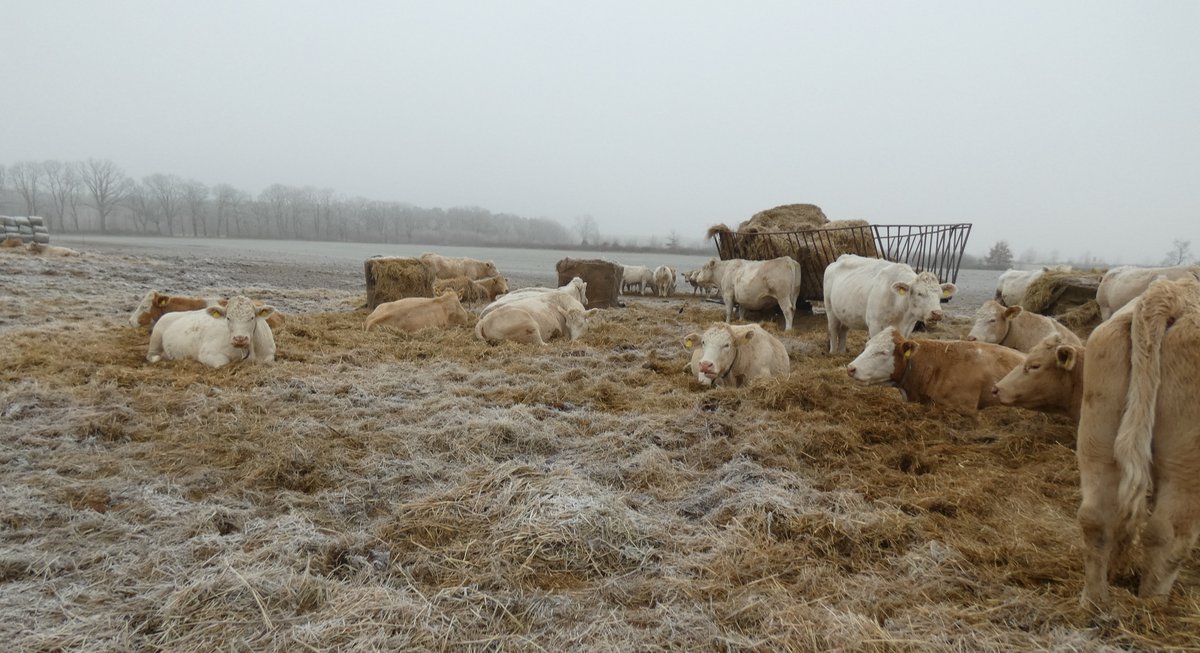
In addition to protection from the wind, a dry lying area is required that provides the animals with insulation from below. The following requirements apply to an optimal lying area for protection against the cold:
- sown grassland or catch crops are sufficient provided there is sufficient vegetation and no severe weather conditions
- A bedding area is necessary under winter weather conditions (e.g. straw, wood chips, hay, litter; suggestion for pure grassland farms: green matter from contractual nature conservation)
- A bedded lying area requires management tailored to the farm and weather conditions (situational frequency and quantity of bedding); in the event of extreme weather conditions (days requiring protection), additional bedding should be provided within 24 hours at the latest
- Sufficient lying area (depending on herd size, herd behaviour, horn status, calves at foot) of 4 m² per suckler cow and 1 m² per calf
- Options for choice, particularly for low-ranking animals in larger herds
- A separate area for calves is advantageous (e.g. under a shed, calf shelter)

Cattle usually avoid direct contact with cold, damp ground, which helps to minimise heat loss. Under certain circumstances, this behaviour may occur more frequently during prolonged rain and low temperatures and could lead to exhaustion. As rumination occurs in conjunction with lying down, disturbed lying behaviour can also impair rumination. This can disrupt the body’s heat production.
The tables in Chapter 2.1 show space requirements for cows and calves in sheltered areas. It is clear that a distinction must be made between polled and horned cattle. Furthermore, herd size and body mass play a role. Social behaviour within the herd must also be taken into account. For example, dominant cows may prevent other herd members from accessing the sheltered area. To prevent this, the access must be wide enough, or additional sheltered areas can be provided. A minimum area of 4 m² per cow and 1 m² per calf can be assumed, depending on horn status, body mass, age, herd size and social behaviour.
Mazurek et al. (2010) describe an ‘Animal Welfare Index’ (AWI) for suckler cow husbandry in Ireland and distinguish between the type and cleanliness of the flooring and the exercise yard or pasture. The scores shown in Table X are specified as guidelines for the assessment. For example, lying mats with long straw are rated highest. However, in addition to the lying mat itself, the cleanliness of these areas and the areas surrounding them are also included in the scoring.
| Score | Substrate or bedding material | Cleanliness of the lying area | Surroundings of the lying area | Condition of the grassland |
| 2.5 | Straw > 60 mm | |||
| 2.0 | Straw 30–60 mm | |||
| 1.5 | Wood chips or peat | |||
| 1.0 | Plastic mats | clean | clean | Good condition of the scar |
| 0.5 | Wooden slats / panel | average | Average | |
| 0.0 | Concrete slats | dirty | dirty | Fair condition with gaps |
| -0.5 | Concrete | heavily soiled | heavily soiled | Trampled vegetation |
<figcaption>Table 13: Scores for the assessment of lying areas, according to Mazurek et al. (2010)</figcaption>
Protection from the wet
A shelter is not always necessary to ensure protection from the wet:
- Site conditions are decisive in determining the extent of protection required
- In some locations, wind protection can also act as protection against precipitation
- Dry bedding on a resting mat offers (partial) protection against moisture
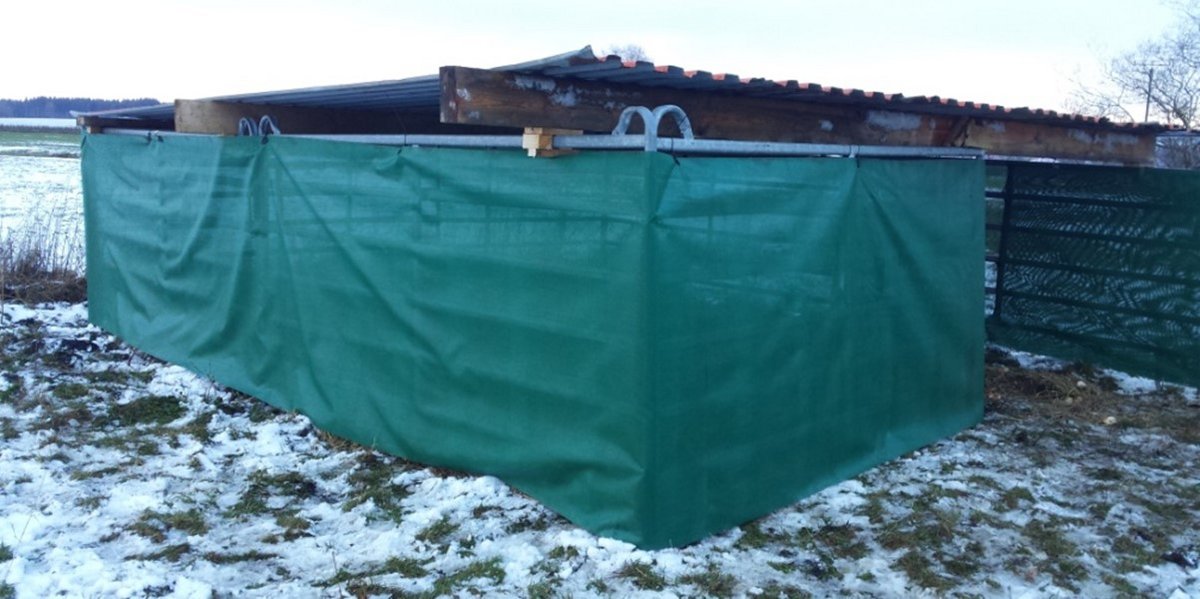
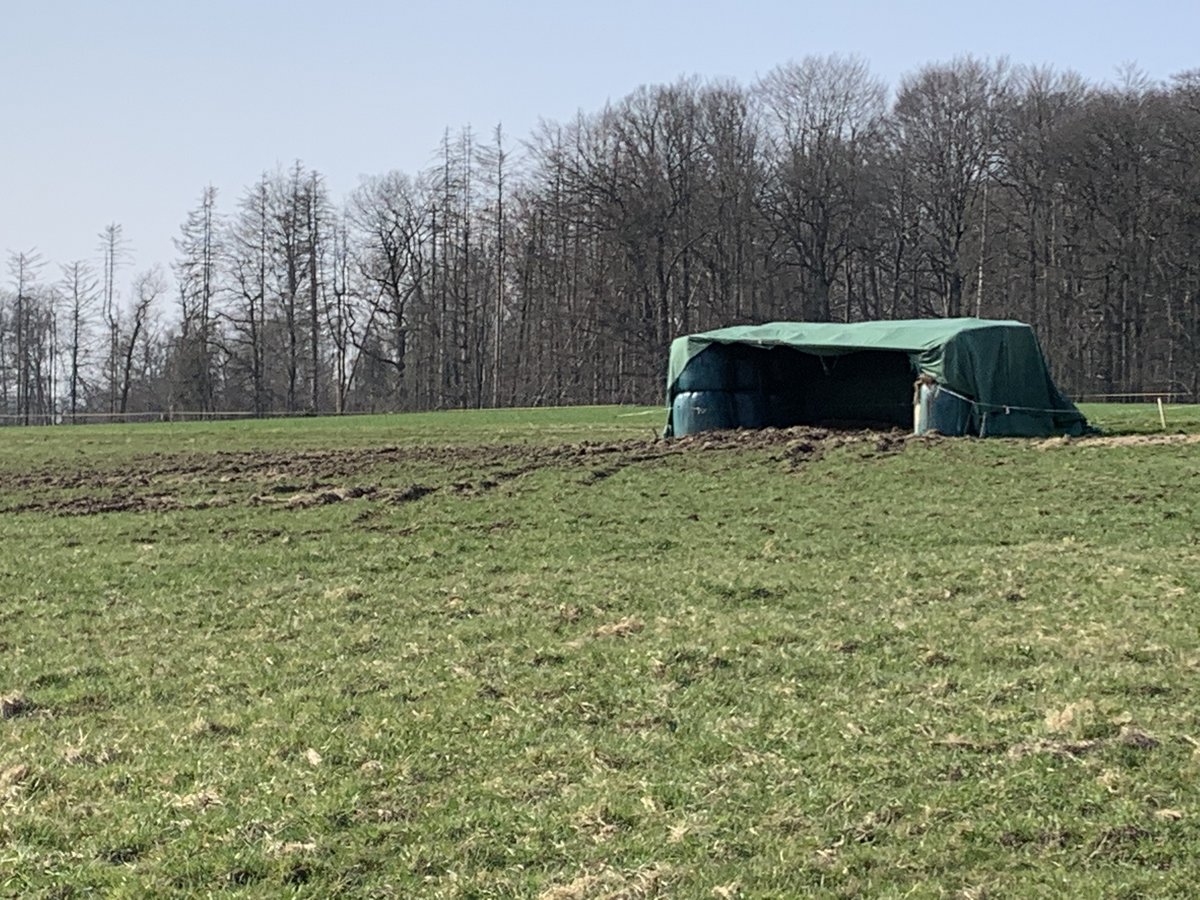
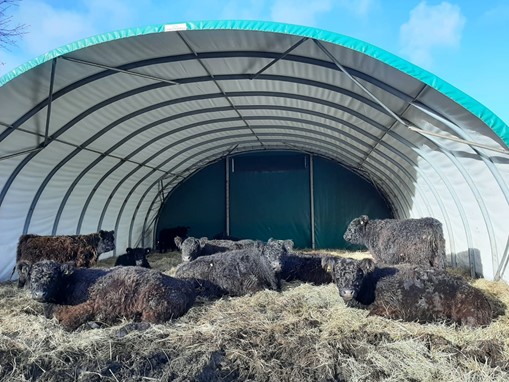
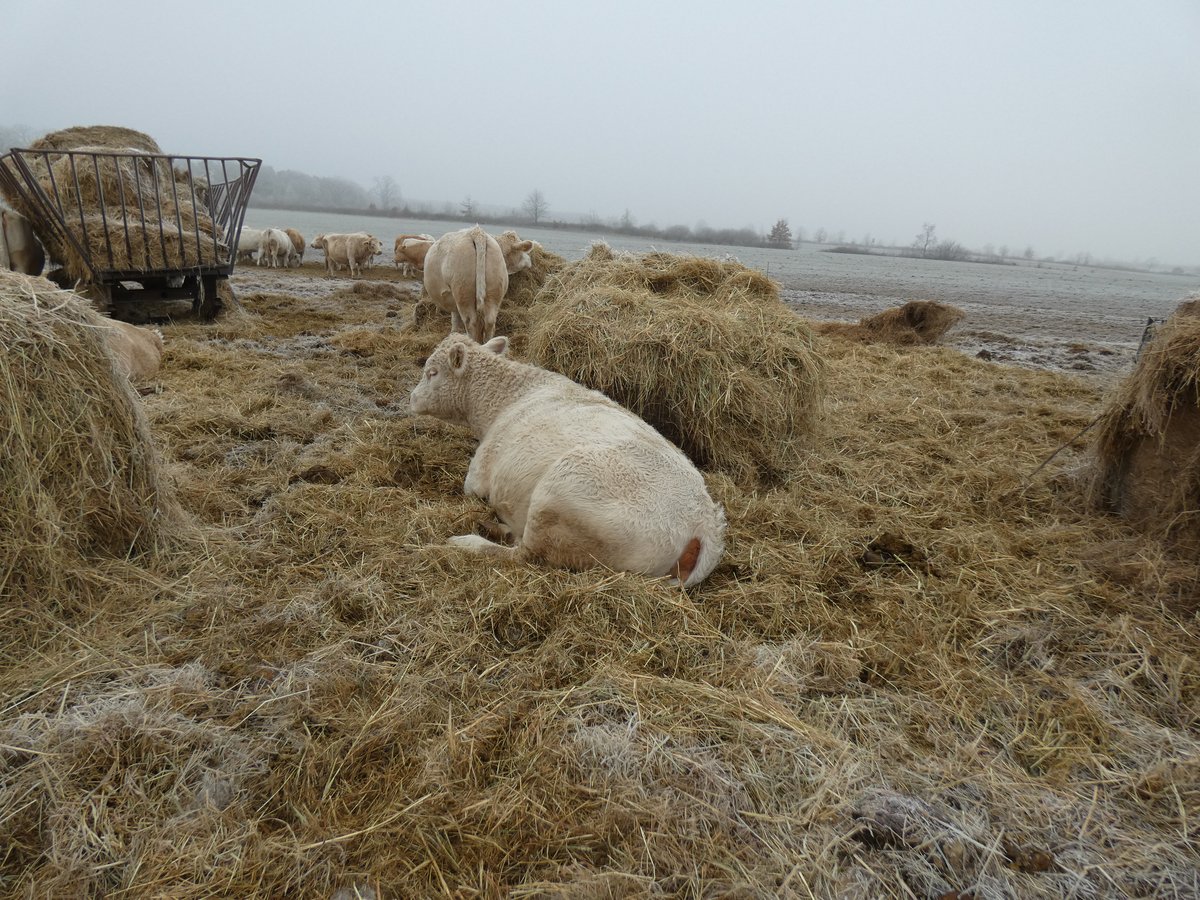
- Structural measures (shelter)
- Structural and technical measures allow bedding to become less saturated
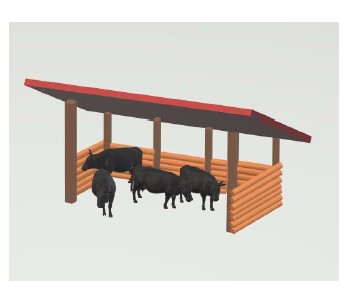
According to Wallbaum 1996 and Wassmuth et al. 1999, shelters can provide comprehensive protection from the weather. These should be designed with animal welfare in mind so that they can be used by all breeds. In the absence of fresh air, in the event of draughts or on muddy ground, the animals will avoid shelters and seek out other areas to rest.
The open side of the shelters should face away from the prevailing wind direction and, if possible, face south. The winter sun has a positive effect on animal health (KTBL Publication 481).

Management measures
The following points should be noted in management:
- Daily checks are necessary
- Access to pasture must be maintained even in adverse weather conditions (animal monitoring, water and feed supply, bedding)
- Continuous supply of feed and water
- Good body condition (e.g. loin grip, 3–4 times a year, see Figure 11, or daily animal observation to monitor changes in body condition, reducing stress and the risk of accidents; Important: document this information! > also as legal protection)
- Adjustment of feeding where necessary
- Adjusting the calving period to suit the farm’s operational situation
- Handling of animals/human-animal relationship/conditioning through positive experiences (particularly important during animal checks, illness, calving, etc.)
- Capture and restraint facilities, particularly for sick animals; separation facilities
- Farm self-monitoring in accordance with Section 11(8) of the Animal Welfare Act; the information must be documented and evaluated (serves as legal protection)
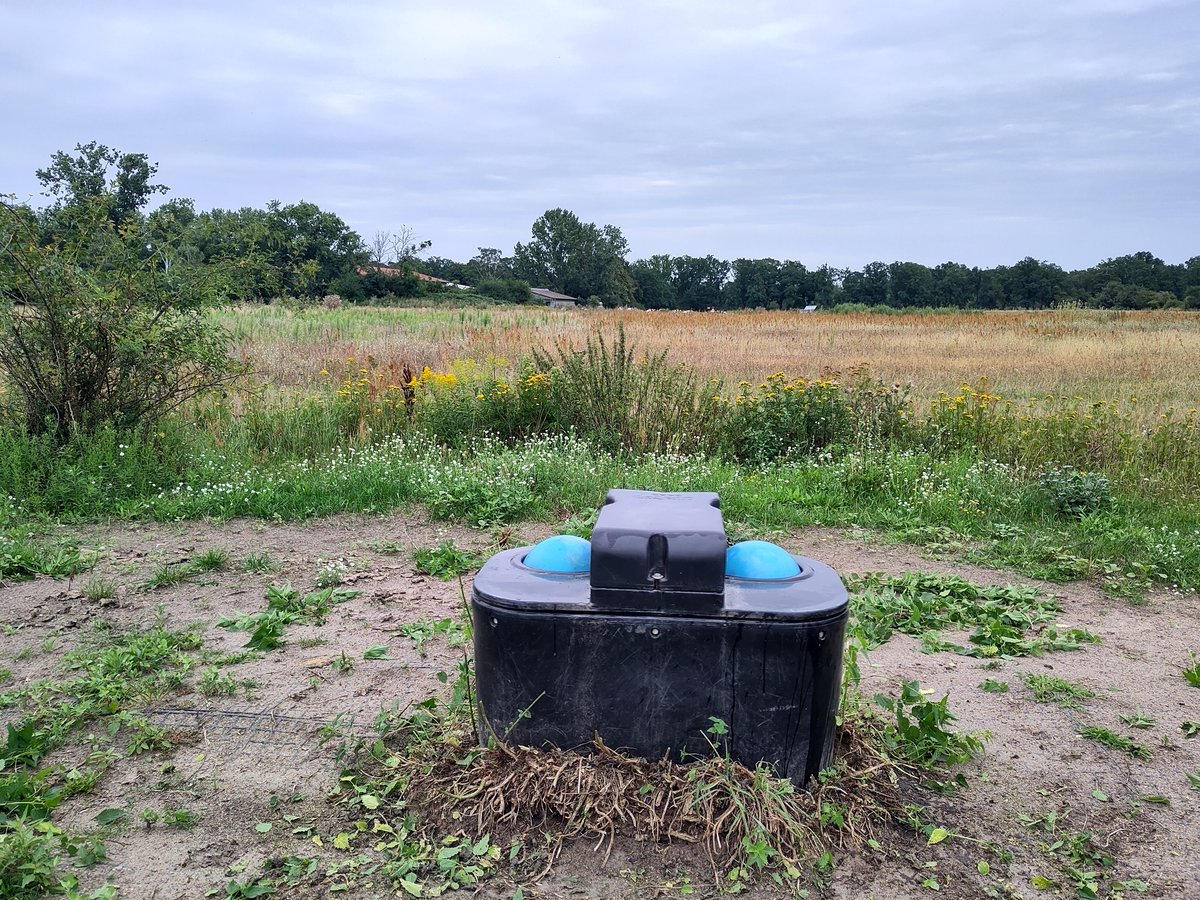
Feeding and watering for outdoor winter rearing
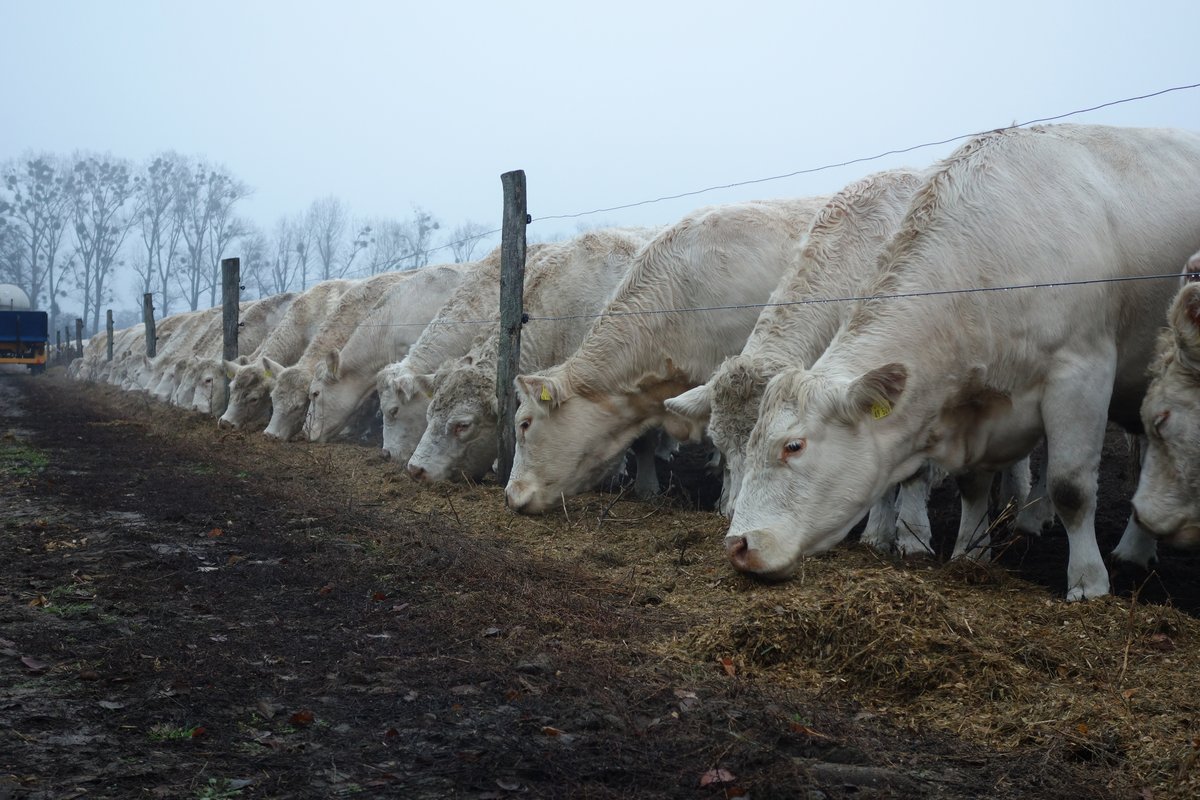
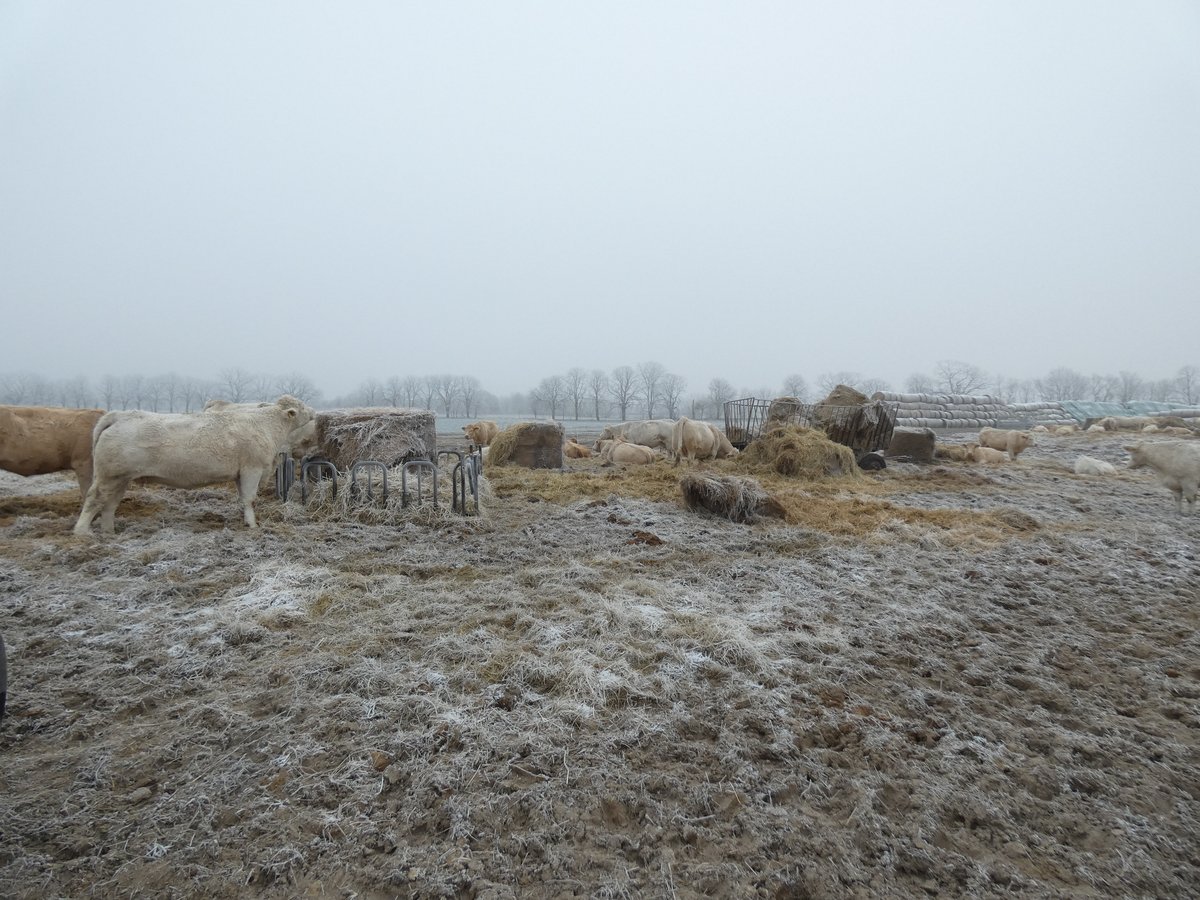
The energy requirements of suckler cows can be calculated very accurately based on their maintenance and production requirements. As a rule, 75–85 MJ ME per suckler cow per day is recommended for cows of average weight (DLG, 2009). For year-round outdoor grazing, the 10% increase in maintenance requirements to account for increased activity and temperature fluctuations must be taken into account, particularly in winter. In addition to energy requirements, the feed intake of suckler cows should be roughly estimated in order to calculate the animals’ potential energy intake. The energy balance can be estimated by assessing the BCS (see Figure 11), although an extreme decline in body condition must be avoided! On the other hand, significant over-conditioning can also lead to negative consequences for animal health or affect calving. Conditioning can be adjusted in cases of over-conditioning through feeding. Part of the ration can be supplemented by mixing in straw, over-mature hay or over-mature grass silage.
According to Sporkmann et al. (2016), water intake per suckler cow per day changes only slightly with a reduction in temperature. The authors cite figures of around 40 litres per animal per day. Data from the NRC (2016) also indicate average water intake for suckler cows of around 40 litres per day, although at temperatures below -5°C, only 2–3 litres of water per 1 kg of dry matter intake are reported. When assessing the water intake of suckler cows, the DM content of the feed must be taken into account. As a general rule: water must be available ad libitum and the animals must not suffer from prolonged thirst!
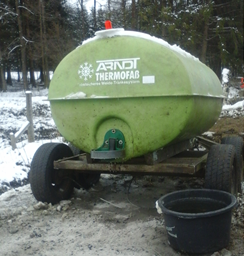
At sub-zero temperatures, care must be taken to ensure that the drinking troughs cannot freeze, which must be achieved through frost-free pipework or suitable drinking troughs. Watering facilities must be reliable at all times, allow for species-appropriate water intake and be easy to clean. Taking legal requirements into account, in the case of permanent pastures (where available), the use of running water, spring water and tap water is often the most economical option (KTBL Publication 481).
Conclusion
Legal regulations and the requirement for animal-friendly suckler cow husbandry demand adequate protection against adverse weather conditions for suckler cows and their calves. Situations involving exposure to cold can be managed with the help of weather protection, dry lying areas and animals in good physical condition and health. There should be several sheltered areas, thereby reducing problems arising from social behaviour and ensuring that all animals have access to weather protection at all times of the day. A continuous supply of feed and water for the animals is required, which must be guaranteed even in adverse weather conditions – management adjustments. Animals must be checked regularly to identify any adaptive reactions and changes in behaviour and to be able to respond accordingly. The following winter checklist can be used by livestock keepers to prepare for the outdoor rearing of suckler cows and their calves (either part-time or year-round). Internal farm checks, as required under Section 11(8) of the Animal Welfare Act, could also be based on this checklist:
| Checkpoints | Target |
| Housing | |
| Weather protection | A bedded-down, preferably dry, wind-protected resting area of sufficient size |
| Watering trough | Frost-proof |
| Feeding equipment | Rain protection |
| Herd management | |
| Young cattle rearing | Outdoor rearing |
| Condition | Reserves in autumn |
| Animal health | Only healthy animals |
| Calving season | Spring |
| Location | |
| Macro- and trace element supply | Nutrient levels tailored to requirements during growth |
<figcaption>Table 13: Winter checklist, adapted from the KTBL guide (2010)</figcaption>
In the long term, suitable animal-based indicators should be developed to implement on-farm self-monitoring in accordance with Section 11(8) of the Animal Welfare Act.
Bibliography
-
Achilles, W., Golze, M., Herrmann, H.-J., Hochberg, H., Nies, V., Opitz von Boberfeld, W., Pollmann, U., Waßmuth, R. & Berger, W. (2010): Year-round outdoor rearing of suckler cows – appropriate for the animals and the location, KTBL Publication 481.
-
Anderson, V. L., Ilse, B., Dhuyvetter, J., Stoltenow, C., Burr, D., Schroeder, T., & Ingebretson, T. (2011): Winter Management of the Beef Cow Herd. NDSU Extension Service.
-
Berkemeier, 2021: Cold stress in dairy cows and calves. URL: https://www.elite-magazin.de/herdenmanagement/kaltestress-fur-milchkuhe-und-kalber-16167.html , accessed on 16/12/24
-
Brandle, J.R. & Finch, S. (1991): How Windbreaks Work. EC98-1763-x. University of Nebraska-Lincoln. URL: www.unl.edu/nac/brochures/ec1763/index.html
-
Byrd, B. (2002): Out of Cold. Angus Beef Bulletin, March 2006, p.22.
-
Golze, M. (2000): We’re allowed to stay outside – suckler cows feel at home in the pasture even in winter, DLZ agrarmagazin 12 (2000), 72–74.
-
Federal Ministry of Food and Agriculture: European Convention for the Protection of Animals Kept for Farming Purposes. Recommendation on the Keeping of Cattle. Adopted by the Standing Committee at its 17th meeting on 21 November 1988, p. 8. URL: https://www.bmel.de/SharedDocs/Downloads/DE/_Tiere/Tierschutz/Gutachten-Leitlinien/eu-haltung-rinder.pdf?__blob=publicationFile&v=2, accessed on: 16/12/24
-
DLG feeding recommendations (2009): Recommendations on the feeding of suckler cows and their offspring. DLG Working Group on Feed and Feeding. URL: www.DLG.org , accessed on 16/12/24
-
Dirksen G., Gründer H-D., Stöber M. (2006): Internal Medicine and Surgery of Cattle. 5th edition, Parey, Stuttgart.
-
Golze, M. (1999): Options for year-round outdoor housing of suckler cows and beef cattle. In: DGfZ e.V.: Suitability of beef cattle breeds for specific locations and production objectives, (15), Bonn: 55–64.
-
Graunke, K. (2007): Behaviour and use of shelter in heifers and suckler cows kept outdoors in winter in Sweden, SLU, 2007.
-
Herrick, J. (2021): Windchill Index. Iowa State University Extension Veterinarian. In: Hartman, David (2021): Livestock Extension Educator, Penn State University, In Cold Stress and Beef Cattle. URL: https://swnydlfc.cce.cornell.edu/submission.php?id=1406&crumb=livestock|10 , accessed on: 16/12/24
-
Hufelschulte, 2020: In hot weather: shade, water and air for calves. URL: https://www.topagrar.com/rind/news/bei-hitze-schatten-wasser-und-luft-fuer-kaelber-12102182.html), accessed on 16/12/24
-
Klein, L. (2009): Portable Windbreak Fencing. Fact Sheet. www.agriculture.gov.sk.ca.
-
Mader, T. L., Johnson, L. J., & Gaughan, J. B. (2010): A comprehensive index for assessing environmental stress in animals. Journal of Animal Science, 88(6), 2153–2165.
-
Marston, T. T., Blasi, D. A., Brazle, F. K., & Kuhl, G. L. (1998): Beef cow nutrition guide. Kansas State University Agricultural Experiment Station and Cooperative Extension Service Publication C-735.
-
Mazurek, M., D. J. Prendiville, M. A. Crowe, I. Veissier, and B. Earley (2010): An on-farm investigation of beef suckler herds using an animal welfare index (AWI). BMC Vet. Res.
-
Morgan, C. A., Dwyer, C. M.; Hill, G., Lowmann, B. G. (2011): Ensuring good welfare for out-wintering suckler cows; Technical Notes; TN643; ISBN 1 85482 901 7.
-
National Research Council (NRC) (2016): Nutrient requirements of beef cattle: Eighth Revised Edition. The National Academy Press. Washington, DC, USA.
-
Polsky, L.; Keyserlingk, M. A. G. von (2017): Invited review: Effects of heat stress on dairy cattle welfare. In: Journal of Dairy Science 100 (11), pp. 8645–8657. DOI: 10.3168/jds.2017-12651.
-
Sporkmann, K. (2016): Lying behaviour and individual water intake of suckler cows during out-wintering in Canada; Landtechnik 2016.
-
Veterinary Association for Animal Welfare (TVT) (2006): Year-round outdoor rearing of cattle, prepared by Working Group 1 (Livestock Farming), lead author: Prof. Dr. Dr. H.-H. Sambraus. Fact Sheet 85.
-
Wassmuth, R.; F. Wallbaum and H.-J. Langholz (1999): Outdoor wintering of suckler cows in low mountain ranges. Livestock Production Science 61 (1999) 193 – 200.
-
Webster, A.J.F. (1974): Heat loss from cattle with particular emphasis on the effects of cold. In: Monteith, J.L. & Mount, L.E. (Eds.): Heat Loss from Animals and Man, Proceedings of the Easter School in Agricultural Science, University of Nottingham, Butterworths, London, United Kingdom, 20: 205–231.
-
Zeeb, K. (1995): On the issues surrounding ‘robust husbandry’ of horses and cattle. Official Veterinary Service 2, III, 203–206.
-
Zube, P. (1997): Problems with winter outdoor rearing of cattle from the perspective of the grassland farmer, BIOPARK Series.