
- Dirk Albers, Lower Saxony Chamber of Agriculture
- MK Jones, Backensholz Farm herd management, Oster-Ohrstedt; Animal welfare pilot farm
- Dr. Ole Lamp, Schleswig-Holstein Chamber of Agriculture
- Dr. Friederike Reinecke, Giessen Regional Council
- Prof. Dr. Klaus Reiter, Bavarian State Institute for Agriculture
- Dr. Theresa Scheu, Neumühle Farm Teaching and Research Centre for Livestock Farming
- Dr. Katharina Zipp, University of Kassel
● Julia Maischak-Dyck, Landesbetrieb Landwirtschaft Hessen
● Caroline Leubner, Landesbetrieb Landwirtschaft Hessen
- Dr Veronika Ibrahim, Hessian Ministry for the Environment, Climate Protection, Agriculture and Consumer Protection
- Marc-Andre Kruse-Friedrich, DLG e.V.
- Marc Schneeweis, medianet Electronic Communication & Marketing GmbH
- Oliver Sahner, medianet Electronic Communication & Marketing GmbH
Funding note:
This document was produced as part of the collaborative project ‘Netzwerk Fokus Tierwohl’, funding reference numbers 28N-4-013-01 to 28N-4-013-17, by the working group “Management of sick and injured cattle” of the Animal Welfare Competence Centre for Cattle, and methodologically and didactically adapted
by DLG e.V. and FiBL Deutschland e.V. The joint project of the Chambers of Agriculture and agricultural institutions across all federal states aims to improve the transfer of knowledge into practice in order to make cattle, pig and poultry farms fit for the future in terms of animal-welfare-friendly, environmentally sound and sustainable livestock farming.
The project is funded by the Federal Ministry of Food and Agriculture pursuant to a resolution of the German Bundestag.
All information and advice is provided without any warranty or liability.
Publisher
DLG e.V. Agricultural
Centre
Eschborner Landstraße 122
60489 Frankfurt am Main
FiBL Deutschland e.V. Animal Welfare
Division
Kasseler Straße 1a
60486 Frankfurt am Main
As of 08/2023
Reproduction and transmission of individual text sections, drawings or images (including for the purpose of lesson planning), as well as the provision of the information sheet in whole or in part for viewing or downloading by third parties, is permitted only with the prior authorisation of the relevant department of the Animal Welfare Competence Centre for Pigs and DLG e.V., Marketing Division, Tel. +49 69 24788-209, [email protected]
Introduction
Animal husbandry entails a responsibility to ensure that animals are able to lead a life appropriate to their species. Animal husbandry should create the conditions necessary to prevent pain, suffering and harm, and to ensure the animals’ welfare. Despite all efforts and precautions, illnesses and injuries can occur. This jeopardises the animals’ welfare and performance. Early detection of sick and injured cattle is therefore particularly important. It can minimise pain, suffering, injury and the risk of compromising animal welfare.
Once the sick animal has been identified, it is important to handle it in a targeted manner, adapted to the situation and, above all, to the animal’s condition. It is not always easy to decide how to proceed with the animal. This begins with assessing the severity of the illness or injury. Should the herd veterinarian be contacted? Does the animal need to be moved to a recovery pen? What are the chances of a quick recovery? What should be done if the prognosis for the further course of the illness is very poor? Can the animal be transported to the abattoir? Does the animal need to be euthanised, and in which cases would emergency slaughter be possible?
The following specialist information is intended to help identify problems at an early stage, make clear decisions and take the appropriate measures. Links to more detailed information on the individual topics are also provided.
The legal grounds for the appropriate handling of sick and injured animals are set out in the Animal Welfare Act (TierSchG): Section 1 “The purpose of this Act is to protect the life and welfare of animals, based on humanity’s responsibility towards them as fellow creatures. No one may cause pain, suffering or harm to an animal without reasonable cause.”
For a better understanding, the terms marked in bold are explained below:
Well-being: The animal is able to engage in normal behaviour, is healthy and has the opportunity to experience positive emotions. A state of freedom from pain, suffering and harm.
Pain: An unpleasant sensation that may arise, for example, from actual or impending tissue damage. Pain may be short-lived, e.g. due to external factors (beating, fighting, electric fencing), or may persist for longer, e.g. due to injury or illness (e.g. mastitis, hoof disease).*
Distress: An unpleasant sensation, e.g. of a persistent nature: hunger, thirst, exhaustion, heat stress and fear. This also includes insecurity when environmental conditions are unpredictable or uncontrollable for the animal (inability to perform certain behaviours, e.g. comfort-seeking behaviour, isolation, negative experiences with humans, transport).*
Damage: Impairment of physical integrity: externally visible changes, e.g. skin injuries, swelling, organ prolapse, severe emaciation; or internal changes, e.g. to organs, mucous membranes or pathological changes in metabolism.*
* Well-being, pain, suffering and harm occur to varying degrees; they are not a black-and-white issue. They can occur and be assessed on a continuum ranging, for example, from ‘very’ painful to ‘not’ painful, with the boundaries between well-being and negative sensations being fluid. Only a comparative assessment is possible, e.g. how was the animal doing two weeks ago and how is it doing now? Or how is the animal doing compared to other animals in the herd? There is no environmental condition in which pain, suffering and harm cannot occur. To a certain extent, they are part of natural life. It therefore depends on the extent and duration of the restrictions on the animal and how well the animal is able to cope with the restriction.
Furthermore, Section 2(1) of the Animal Welfare Act states: “Anyone who keeps, looks after or is responsible for looking after an animal must feed, care for and house the animal in a manner appropriate to its species and needs…”. The needs of a sick or injured animal may differ from those of healthy animals. Accordingly, different husbandry, feeding and care measures must be implemented.
The Animal Welfare and Livestock Management Ordinance (TierSchNutztV) contains guidance on the frequency of animal checks:

Animal Welfare and Livestock Management Ordinance (TierSchNutztV)
Anyone keeping farm animals must ensure, subject to the provisions of Sections 2 to 6, that
- there are a sufficient number of persons with the necessary knowledge and skills available to feed and care for the animals;
- the animals’ condition is checked at least once a day by direct visual inspection by a person responsible for feeding and care, and any dead animals found are removed;
- where necessary, immediate measures are taken for the treatment, isolation in suitable housing facilities with dry and soft bedding or flooring, or the killing of sick or injured animals, and a veterinary surgeon is consulted;
…
(2) Anyone keeping farm animals must immediately keep records of the results of the daily inspection of the herd, as well as of all medical treatments administered to these animals and of the number of dead animals found during each inspection, in particular the number and cause of animal losses. These records are not required where corresponding records must be kept under other legal provisions. The records referred to in the first sentence must be retained for at least three years from the date of the respective entry and must be presented to the competent authority upon request.
Furthermore, when it comes to determining whether an animal can be transported and slaughtered or must be euthanised, the following legislation applies:
- EU Regulation on the protection of animals during transport and related operations (EC Regulation 1/2005)
- Animal Welfare Transport Regulation
- EU Regulation on the protection of animals at the time of killing (EC Regulation 1099/2009)
- Animal Welfare Slaughter Regulation
The specific regulations are discussed in more detail in the relevant sections below, or links to them are provided.
2.1 Reasons for animal control
Early detection is a particularly important aspect of preventing serious diseases in cattle herds. The sooner a sick or injured animal is identified, the greater the chances of recovery; pain, suffering and damage can be avoided or reduced, thereby improving animal welfare. The risk of tissue and organ damage can be minimised through early detection. Necessary measures, such as moving the animal to a recovery pen and commencing treatment, should be carried out promptly following early detection. Economic considerations should not be the deciding factor; rather, the ethical, moral and legally enshrined obligation towards the animal should take precedence. Nevertheless, early detection and treatment of sick or injured animals can lead to lower economic burdens resulting from reduced performance or treatment and replacement costs. Reduced use of medication also protects the environment and prevents the emergence of resistant pathogens, which also pose a problem in human medicine.
It is therefore important to check the animals daily during routine work and to examine any animals showing signs of distress more closely, so that measures can be taken as quickly as possible to improve their condition.
2.2 Documentation
The observation of animals – whether healthy, sick or injured – always involves documenting the findings.
A major advantage of documentation is that it enables livestock owners to identify changes in the animal and place them in a temporal context, as well as to assess the effect of the measures taken on the herd. This is not comparable to daily routine checks, which focus, for example, on identifying acute changes in general health, but also aims, amongst other things, to detect gradual changes.
Documentation can also be beneficial for the veterinarian, as the course of a disease can be reflected more accurately than is possible through a memory-based account. The clearly visible and recorded progression of diseases does not replace an individual animal examination, but can serve as a basis for further decisions, such as whether an animal needs to be moved to a recovery pen.
Proper documentation is mandatory under Section 11(8) of the Animal Welfare Act, i.e. the animal keeper must be able to produce it upon request by the competent authority
The obligation to document also arises from the amended provisions of EU animal health legislation. Among other things, the record-keeping obligations for holdings have been revised such that the results of animal health visits by veterinarians, as well as test results for examined animals, must be documented on paper or in electronic form.
The daily inspection of animals can also be supported by digital systems. On the one hand, there are apps and software that facilitate the documentation of findings, and on the other hand, there are systems with which animal-specific data can be recorded. Transponders can be used to record individual animal data during milking (milk yield, milk flow, colour, conductivity, etc.), the intake of concentrate or milk/milk replacer at feeding stations, or weight via a scale embedded in the walkway. Furthermore, there are systems for recording animal temperature, activity and resting behaviour, rumination activity and location. Data loggers can be attached to an ear tag, a halter, a collar or an animal’s leg, or can collect data via a bolus inserted into the animal. By regularly monitoring the collected data, gradual changes can sometimes be detected earlier and more effectively than through the farmer’s own sensory observations. Alarm functions can also help to detect anomalies. However, it must be emphasised that Precision Livestock Farming – i.e. the use of digital systems – is a tool and should not replace daily animal observation. For example, the data can be used to check whether a cow has been at the concentrate feeder. However, it cannot be verified whether the cow actually ate the concentrate it accessed. Furthermore, it must be noted that the accuracy of the data and the monitoring efficiency of most systems have only been tested on standard breeds kept in barns. With different husbandry systems, such as grazing, this may lead to inaccurate results.
2.3.1 Resting and feeding behaviour
Cattle are ruminants and, due to the biology of their forestomachs, require a continuous supply of food. Feeding and rumination phases are spread evenly throughout the day and may extend into the night. Peak feed intake occurs particularly in the morning and evening. There is a tendency for the animals to carry out their main activities (resting and feeding) together within the herd. The duration of feeding in the pasture varies between six and ten hours per day, depending on the availability of feed and the individual characteristics of the animal. In the barn, this is usually two hours less. As soon as feeding is complete, the rumination phase begins, which mainly takes place whilst lying down. This lasts a total of eight to ten hours. Feeding and subsequent lying down with rumination alternate throughout the day. Cattle sleep for only around two to three hours within a 24-hour period.
2.3.2 Physical and social behaviour
In the pasture, cattle walk several kilometres a day whilst feeding. This is not necessary in the barn, so the distances they walk are shorter. As described in the previous chapter, cattle are herd animals and live in social groups governed by dominance relationships, which are also expressed through rank-related conflicts. They maintain a personal space between one another. The distance between them is determined by various factors. Rank disputes mainly occur when the rank between animals is unclear (e.g. due to regrouping), when competitive situations arise, or when the personal space between the animals cannot be maintained, e.g. due to lack of space or when being herded.
2.4 Signs of pain, distress and injury
All higher vertebrates are capable of feeling pain. However, cattle display symptoms of pain in a less obvious manner, or in a way that is barely perceptible or imperceptible to humans. The reason is simple: cattle are flight animals and must behave inconspicuously so that predators do not recognise them as weak. However, by recognising and checking for typical indicators of pain (see below), it is possible to identify animals in pain even if they do not express it obviously or vocally.
Signs that may occur in cattle and may indicate pain, distress or injury (adapted from Hau and van Hoosier, 2003):
- Lower or elevated body temperature
- Circulatory problems:
- increased heart rate, oedema (fluid retention)
- Respiratory disorders:
- coughing, discharge from the nostrils, increased respiratory rate
- Digestive system disorders:
- saliva running from the mouth, diarrhoea, constipation, impaired urination, distended abdomen, sunken abdomen, prolapse, vomiting
- Reproductive changes:
- Miscarriage, mastitis, vaginal prolapse, uterine prolapse
- Sensory disturbances:
- Loss of sensation, hypersensitivity
- Eye changes:
- “clouded gaze”, discharge, deep-set eyes
- Coat changes:
- Changes in the form of a dull, dirty and shaggy coat, raised hairs (neglected grooming), particularly in comparison to the rest of the body
- Skin and mucous membrane changes:
- Jaundice, anaemia
- Severe/sudden loss of body weight/body condition
- Curvature of the spine
- Injuries and bleeding:
- Bleeding from body orifices, blood in stools or urine, wounds, fractures
- Behavioural changes:
- Changes in posture and gait:
- uncoordinated movements, convulsions, lameness, paralysis, swollen joints, impaired reflexes, tremors, walking in circles
- Changes in eating or drinking behaviour:
- Decrease in food and water intake, particularly compared to the rest of the herd
- Changes in social behaviour:
- separation from the herd, changes in other feeding and resting behaviour, unusually aggressive behaviour towards other animals or humans
- Other behavioural changes:
- Rolling eyes, turning the head, rolling or flicking the tongue, increased lying down, lying in unusual places, drinking urine, eating faeces, lack of grooming, failure to respond to stimuli (inattentive/apathic), coma
- Changes in posture and gait:
- In cases of severe pain:
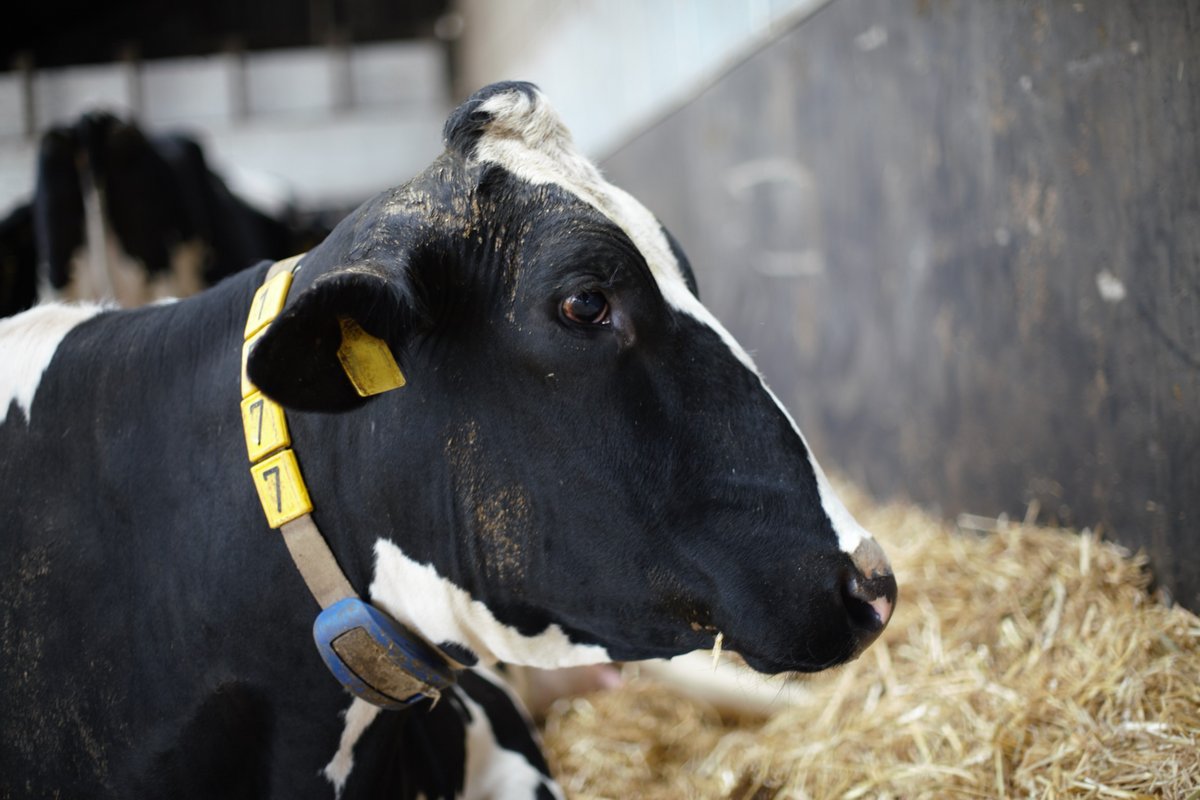
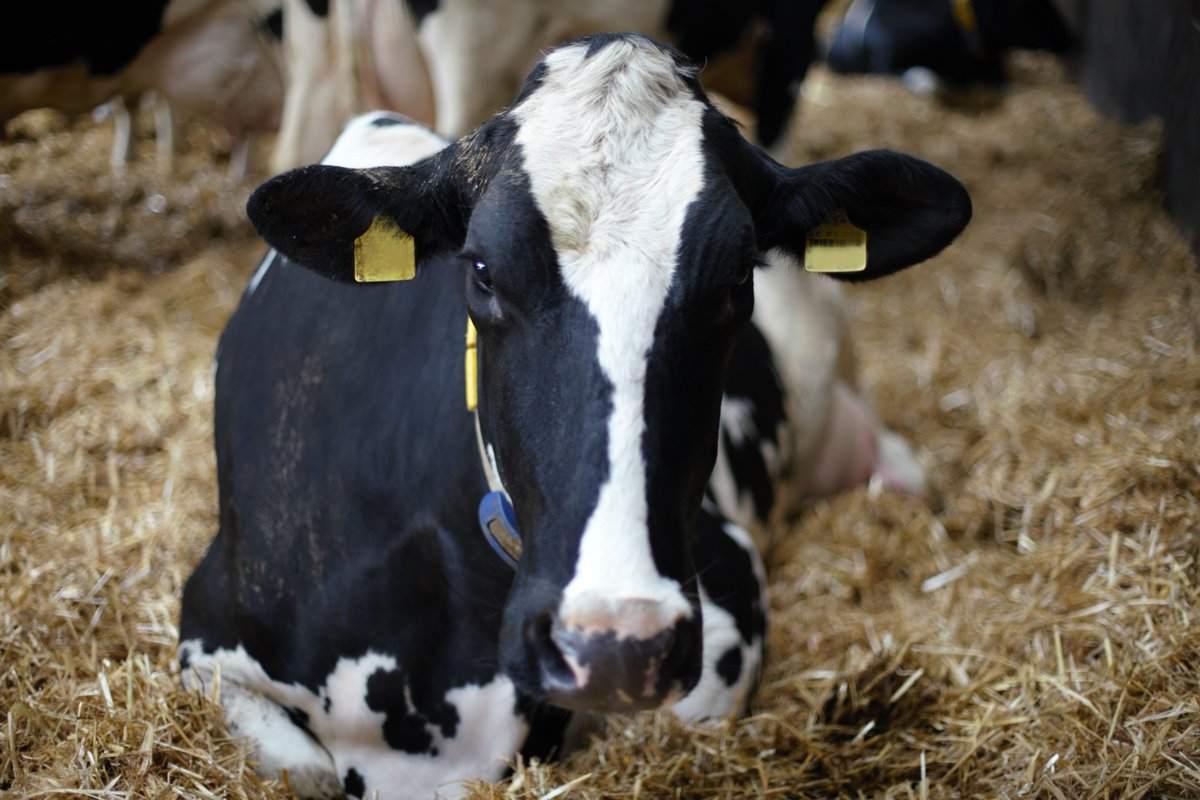
Teeth grinding and groaning, staring into space, the so-called ‘pain face’: (Figs. 1–5)
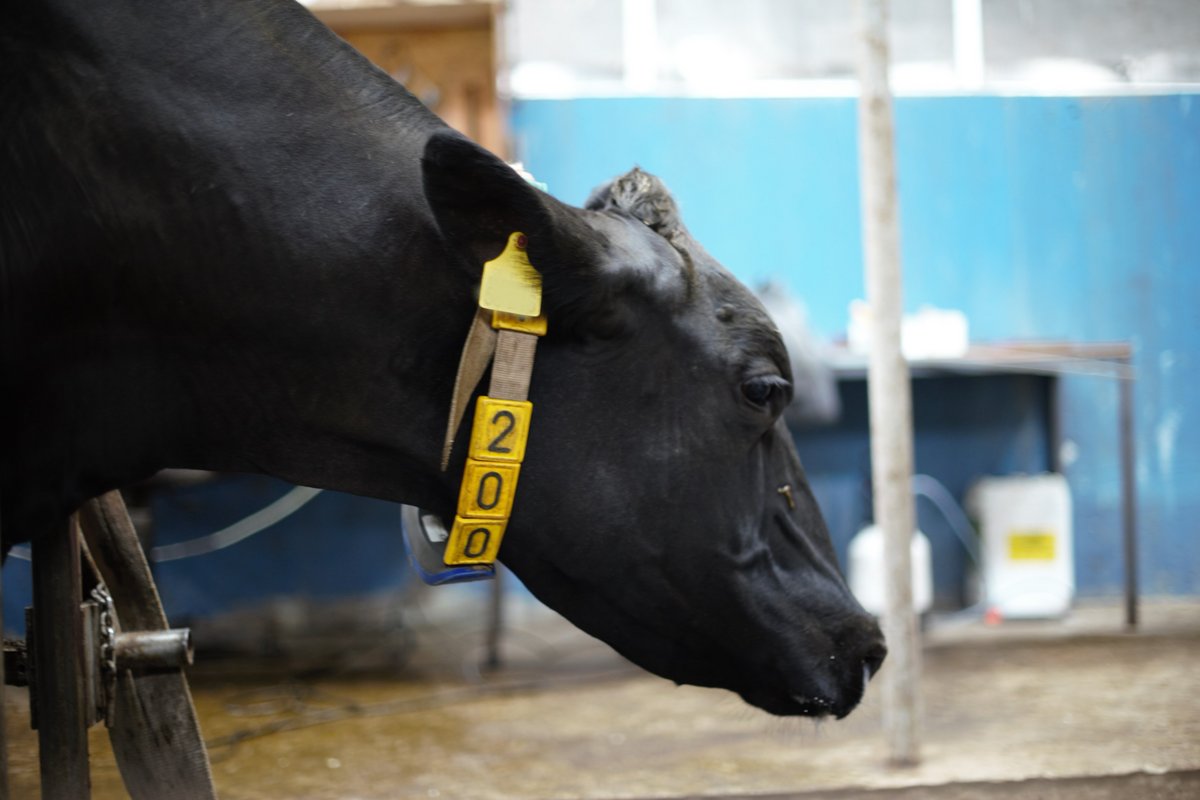
(Image: Mary-Katherine Jones)
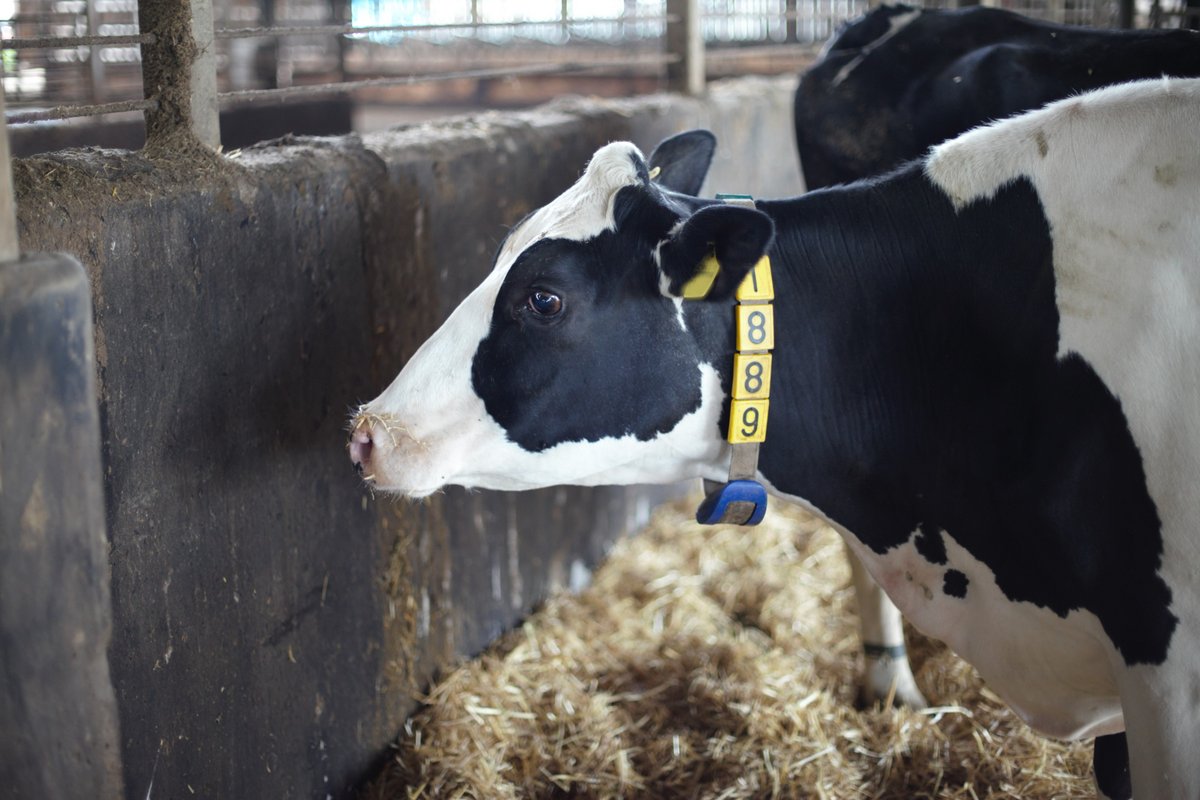
(Image: Mary-Katherine Jones)
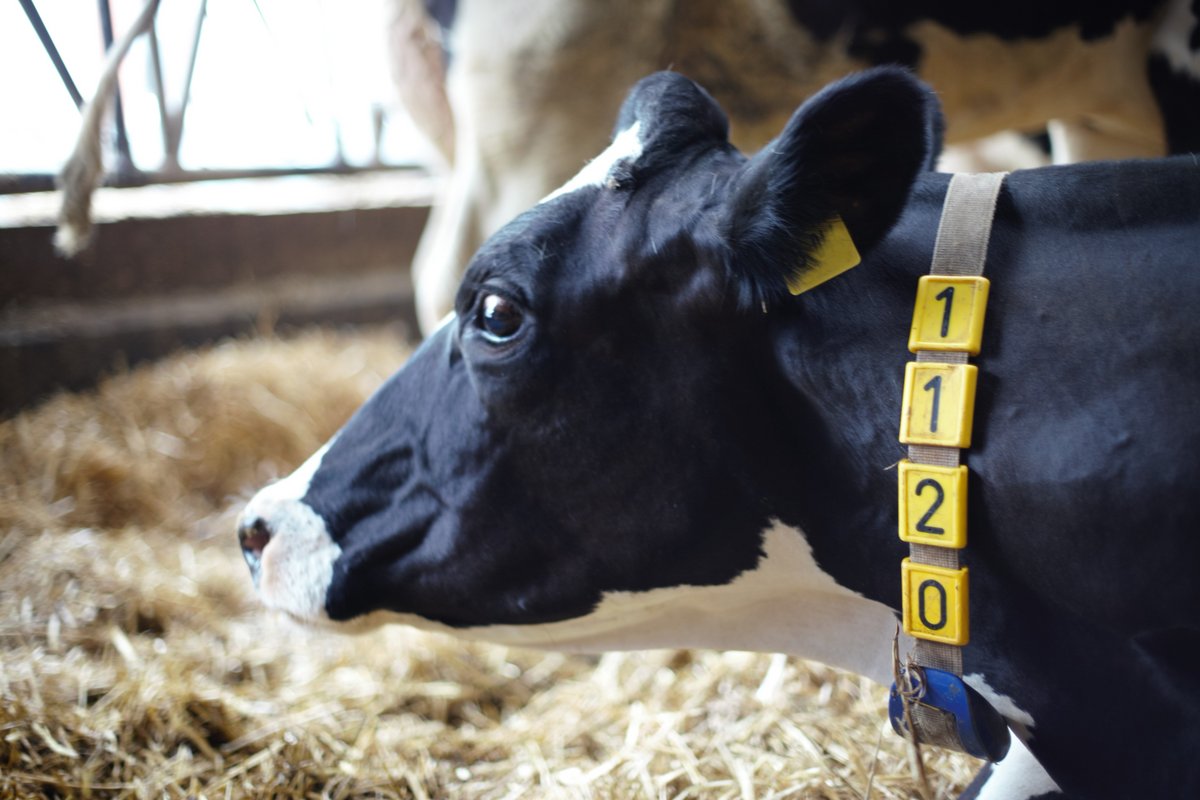
(Image: Mary-Katherine Jones)
(Image: Mary-Katherine Jones)
(Image: Mary-Katherine Jones)
2.5.1 Identification of sick and injured animals
It is important that animal checks are incorporated into daily operations. It is advisable to check the animals at the same time every day. The following times are suitable for this:
at feeding time
On many farms, feeding time is an ideal moment to spot sick or injured animals. Sick animals may lie down for longer and are slower to get up to eat.
at milking time (herding a group of cows)
The time spent observing animals whilst herding them for milking is just as valuable as observations made during feeding. Here, the farmer is even closer to the animal and does not merely observe from the feed table.
During cubicle cleaning
If feeding or milking is automated, animal observation can also be carried out whilst cleaning the cubicles.
The 5-minute check, which can be taken into the barn as a barn chart, outlines what to look out for during an animal check to identify sick and injured animals.
2.5.2 Examination of the animal
If individual animals appear abnormal during observations (5-minute check) or based on the analysis of data from digital systems, a clinical examination should be carried out. This is important in order to determine the severity of the animal’s condition and, where applicable, the possible cause. It also identifies what further measures need to be taken. For this examination, it is important that the animal is restrained. If the time of feeding has been chosen for the animal observation (5-minute check), the animal can be restrained in the feeding pen. If the animal is in poor condition, it may need to be herded into the pen. If the animals were checked at milking time, it is advisable to restrain them in the feeding pen immediately after milking.
It is important to change your perspective on the animal during the examination: walk around the animal and observe it from a distance and up close, from above and below.
What is required:
- sufficient lighting, e.g. using an LED torch
- for documenting the examination results: paper, pen, animal lists, smartphone, apps, etc.
- Thermometer for rectal measurement
- Watch
- stethoscope, if necessary
A preliminary report helps with the diagnosis:
- Data from activity and temperature monitors on/in the animal
- MLP reports
- If available: lists of milking robots
Further information on assessing the animal’s state of health
General information:
BCS assessment:
- Spengler Neff A, Notz, C, Ivemeyer S, Walkenhorst M (2015): Body Condition Scoring. Published by the Research Institute of Organic Agriculture (FiBL), 1st ed., pp. 1–2: https://www.fibl.org/fileadmin/documents/shop/1414-bcs-anleitung.pdf
- Häberli A (2009): Inforama Rütti – Assessment of the body condition of dairy cows: https://www.inforama.ch/images/global/beratung/PflanzenbauTierhaltung/Tierhaltung/Beurteilung-der-Koerperkondition-von-Milchkuehen.pdf
- For Fleckvieh:
- Tyrolean Animal Health Service (2010): Healthy and fit for optimal performance. Guide to regular body condition assessment for Fleckvieh. BCS – Body Condition Scoring for Fleckvieh (in collaboration with the Upper Austrian Chamber of Agriculture, the Vöcklabruck Agricultural College, the Vöcklamarkt Veterinary Practice and the Aulendorf Education and Knowledge Centre: https://www.t-tgd.at/images/Broschueren/Tir_TGD_Fleckvieh_AK3-1.pdf
Hunger pit
- Umstätter C, Hart L & Schneider M (2021): Is the cow eating enough? Procedure for assessing the hunger pit. Published by Agroscope, Tänikon, Ettenhausen. Factsheet No. 127, 2021, 4 pp. URL: https://www.agroscope.admin.ch/agroscope/de/home/aktuell/newsroom/2021/04-07_bewertung-hungergrube-kuh.html
Manure assessment:
- Swisgenetics (2009): What manure reveals about the cow: https://die-fruchtbare-kuh.ch/fileadmin/user_upload/customers/swissgenetics/Dokumente/Beratungsartikel/2009/0909_d_Was_der_Kot_ueber_die_Kuh_verraet_Was_der_Kot_ueber_die_Kuh_verraet.pdf
- Upper Austrian Chamber of Agriculture, Cattle Production Advisory Service (2020): Manure assessment. Colour, smell, consistency, excretion residues: https://ooe.lko.at/f%C3%BCtterung+2400+3251257
Lameness detection:
- Klauenfitnet 2.0 (2020): Guide to movement assessment: https://elearning.klauenfitnet.de/wp-content/uploads/2017/12/KLAUENfitnet-2.0-Merkblatt-Bewegungsbeurteilung.pdf
- Elite (2009): LocomotionScore (lameness class): https://www.elite-magazin.de/img/e/8/2/d/f/9/90804515_bfffbd2b74.pdf
Diagnosis of abomasal displacement:
As a general rule, whenever an animal falls ill or has an accident, you should consider whether to consult a vet.
In the case of minor health problems, particularly those likely to resolve themselves, simple treatment measures (e.g. applying a bandage, disinfecting wounds, physical therapy such as applying heat or cold, etc.) may be carried out alongside careful observation. However, if the animal’s general condition does not improve, it should be taken to a vet.
Serious health problems always require veterinary assessment and, where necessary, treatment, if only for animal welfare reasons.
It is important to correctly assess the animal’s overall condition (see examination procedure) and to adhere to the principle of always seeking the help of a vet in case of doubt. The table below lists some examples for classifying the severity of an illness.
| Mild | Significant |
| Mild lameness (animal slightly favouring the limb) | Significant lameness (limb is clearly being spared) |
| Small, superficial wounds without fever | Extensive or deep wounds, wounds accompanied by fever, non-healing or festering wounds |
| Mild cough or diarrhoea without fever | Severe cough or diarrhoea, fever |
| Mild umbilical hernia with normal general condition | Mild umbilical hernia with impaired general condition |
| Mild swelling without fever | Significant swelling with or without fever |
| Detached hoof with appropriate wound care and no complications | Horn breakage and horn injuries with complications |
| Mild changes in behaviour and posture | Apathy or markedly unusual posture |
| Mild, temporary prolapse of mucous membranes or organs (vaginal prolapse, umbilical hernia) without injury/inflammation and without complications | Persistent or acute organ prolapse with complications |
| Bone fracture | |
| Immobility, hind limb paralysis | |
| Complications arising from minor disorders, failure to heal |
<figcaption>Table 1: Examples of mild or significant health problems include: (from the Laboratory of the Original Cantons. The Cantonal Veterinary Officer (2020): Dealing with sick and injured farm animals)</figcaption>
Once a sick or injured animal has been identified within the herd, its condition assessed and a vet consulted, a prognosis must always be made. This prognosis helps determine not only whether treatment measures need to be initiated, but also whether treatment is worthwhile – that is, whether there is a reasonable chance of recovery. Treatment can take place within the herd, in a recovery pen or at a veterinary clinic. It is possible to transport sick animals to a clinic in a gentle manner.
If the likelihood is low that treatment will lead to rapid improvement and recovery, a decision must be made as to whether the animal is fit for transport and whether its meat is fit for human consumption. As shown in the diagram below, the options are then emergency euthanasia, emergency/on-farm slaughter, or transport and slaughter at a slaughterhouse.

If, following an assessment by the farmer and/or the vet, it is decided that the animal requires treatment, the next question is whether the animal can remain with the herd. The following section explains when the animal should be moved to the recovery pen and what a suitable pen looks like.
There are several terms used in practice to describe this pen. ‘Recovery pen’ is another term for ‘sick pen’. The term simply clarifies the purpose of the area, as the pen is intended to help sick animals recover.
If the answer to one or more of the following questions is ‘yes’, it is recommended that the animal be moved to a recovery pen.
- Is the animal’s general condition severely impaired?
- Is the animal unable to consume sufficient food and water independently?
- Is it difficult to observe the animal within the group?
- Is the animal so impaired that it cannot hold its own within the herd?
- Is there a risk of serious injury from other animals?
- Do the housing facilities cause the animal significant harm?
- Is there a risk of disease transmission to other animals?
If the answer to at least one of these questions is ‘yes’, the animal should be moved to the recovery pen.
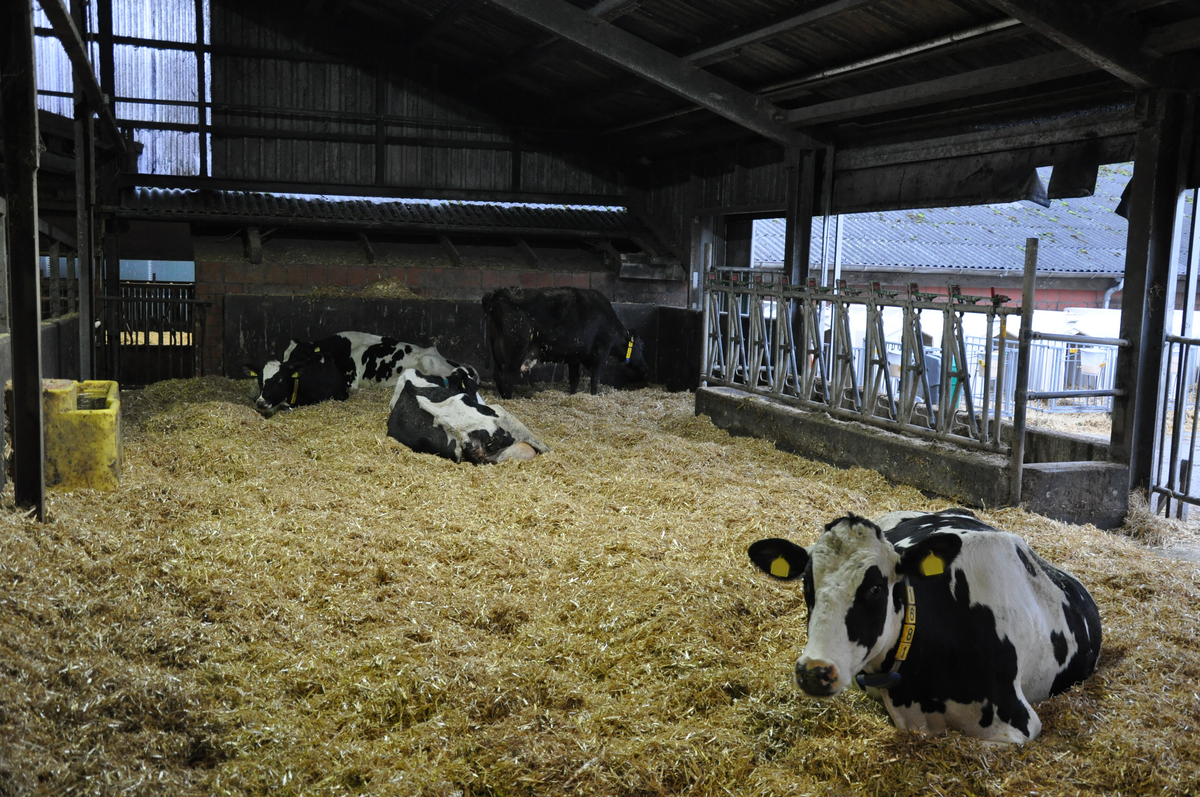
- at least one recovery pen (a calving pen is not a recovery pen, as there is a risk of infection there)
- for group pens: at least 8 m² per animal
- For individual pens: at least 12 m² per animal
- The pen must be ready for use at all times
- Animals in the pen should have olfactory and visual contact with the herd (but physical contact should be avoided)
- Animals in the pen should be easy for carers to monitor (good visibility, at least 400 lux whilst carrying out work)
- The pen should be provided with dry, soft bedding to ensure sufficient footing (required by law)
- The pen must have an optimal indoor climate (no direct sunlight, no draughts, no dripping or condensation, sufficient air circulation, 200 lux). Air conditioning should be available and used
- A sufficient quantity of good-quality feed and water must be provided in the pen
- Milking must be possible in the pen or, if feasible for the animal, carried out using the usual milking system
- The pen should be equipped with sufficient, suitable and easy-to-use restraining options (feeding barriers, swing gates, tethering facilities)
- The animals in the pen should not be exposed to prolonged high levels of noise
- Easily accessible for humans and animals for feeding, care and repositioning
- The pen must be easy to clean and disinfect thoroughly
- If infectious diseases are suspected, it is advisable to separate the animal(s) to another building so that there is no contact with the rest of the herd
5.1 General measures
- Frequent, thorough checks on the animals several times a day to assess their general condition; key points: taking their temperature, movement within the pen, stamina, rumination
- Monitoring and encouragement of water and feed intake
- Encouraging the animal to stand up
- If the animal’s general condition deteriorates: repeat clinical examination of the animal and consultation with the vet
- Medical care (e.g. administering medication or changing dressings)
5.2 Therapy/Treatment
What factors need to be taken into account when considering therapeutic and treatment options?
- Treatment is always necessary.
- Diagnosis and treatment by a vet.
- In principle, there is an obligation to eliminate pain through anaesthesia during painful procedures. This must be carried out by a vet (e.g. during surgery). Exceptions to the anaesthesia requirement are governed by Section 5 of the Animal Welfare Act (TSchG).
- Treatments such as cleaning and disinfecting simple wounds, applying or changing a dressing, and also administering injections may be carried out by the pet owner. However, this requires instruction from the vet and supervision of the procedure.
- Furthermore, such treatments must also be documented.
- If a vet was not initially consulted and there is no improvement within 1–2 days, veterinary advice should be sought at this point at the latest.
- The vet’s treatment instructions must always be followed in full.
- It is unlawful to withhold necessary treatment from an animal for financial reasons.
5.2.1 Wound care
Pet owners should also be able to treat wounds. That is why the first-aid kit should contain sufficient dressings and other supplies.
Contents of the first-aid kit for injuries:
- clean disposable gloves
- For wound disinfection: iodine-based preparations
- Disposable razors or a clean clippers for hair removal, scissors
- Compresses
- Adhesive crepe bandages
- Gauze
- Freezer bag clips for controlling bleeding from pulsating wounds/vessels
- After consulting a vet: topical sprays, ointments
First, assess the severity of the injury and whether a vet needs to be consulted. However, first aid for more serious injuries can be administered by the pet owner themselves. The principles of first aid applicable to humans apply here. It is advisable to seek general guidance from the vet on how to carry out first aid measures. If necessary, temporary wound dressings can also be used to bridge the gap until the vet arrives.
Assessing the severity of the injury:
- Where exactly is the injury?
- Sensitive areas include the abdomen, the lung area, the joints and surrounding tissue, the udder and the vulva
- How large is the injury?
- Smaller wounds are usually considered less serious than larger ones. CAUTION: even smaller wounds can be deep and life-threatening
- What kind of discharge is coming from the wound?
- Is blood, joint fluid or pus oozing out?
- If blood is oozing out: is it a pulsating wound or a seeping wound?
First aid measures (using clean disposable gloves):
- Cleaning the area around the wound:
- Removing hair
- Clean the surrounding hair
- Rinse the wound with water / isotonic saline solution
- Disinfect with iodine and gauze pads
- Covering the wound with plasters or adhesive crepe bandages
- Daily wound checks and dressing changes as required
- Daily monitoring of the animal’s general condition
When carrying out the daily check-up and inspecting the wound, look out for signs of inflammation. If there is no improvement, seek veterinary advice.
For further information:
Lamp O. (2020): Wound care with a stable first-aid kit: Just a scratch or a serious injury?
5.2.2 Pain management
From an animal welfare perspective, pain should always be alleviated. As pain management products are available only on prescription, the vet decides during the clinical examination whether, and if so, which treatment measures should be initiated. In general, optimal pain management offers various benefits. The animal usually recovers more quickly, its general condition is restored sooner, and its intake of food and water returns to normal. Wound healing can proceed unhindered, the immune system can recover more quickly, and the performance levels affected by the illness – such as milk yield – return to normal more rapidly.
5.2.3 Caring for confined cows
After checking the animal’s general condition and determining whether it is conscious, it is important to move immobilised animals to a recovery pen. The animals must be separated from the herd immediately to prevent further injury. If this is not possible, the downed animal should be laid on a soft surface where it is. In this situation, it is still advisable to keep the herd away from the downed animal.
5.2.3.1 Initial steps for animals that are stuck
- If an animal is trapped, contact a vet
- First aid by the farmer:
- Secure the animal to protect it from other animals, apply a leg restraint (see section 5.2.3.6), offer water, place the animal on a soft surface
- Do not attempt to lift the animal on your own. You should wait for the vet. Attempts to get the animal moving may actually make the subsequent examination more difficult for the vet, as the animal may exert itself too much. Furthermore, animals that are stuck should under no circumstances be moved until serious injuries to the musculoskeletal system have been ruled out.
⇒ Administer first aid and wait for the vet
5.2.3.2 Possible causes of jamming
The animal cannot stand up unaided:
- Injuries:
- Muscle damage (e.g. muscle tear)
- Nerve damage (e.g. spinal cord injury, paralysis of nerves in the hind or front limbs)
- Damage to bones (e.g. fractures) or joints (e.g. dislocated hip joint)
- Electrolyte imbalances:
- e.g. calcium deficiency
- Severe systemic diseases:
- e.g. severe mastitis or severe metabolic imbalance (acidosis or ketosis), poisoning
Animal could stand up but does not want to:
- Painful conditions:
- Uterine inflammation, mastitis, laminitis, peritonitis, pneumonia, displacement of the abomasum, swallowed foreign body or other
Diagnosis by a vet
Through a clinical examination, the vet can determine the cause of the lameness. If necessary, further examinations such as lifting the animal or blood tests may be required.

5.2.3.4 Forecast
- The prognosis is good: the cow is eating, drinking and changing the side on which she lies unaided.
- The prognosis is favourable: with appropriate treatment and good care, the cow can be monitored and cared for in constant consultation with the vet. There is a good chance of success.
- Poor prognosis: Despite treatment, the cow remains on her side, is unable to turn over unaided, and is not eating or drinking. The prognosis is poor and raises animal welfare concerns, requiring a significant amount of work. Euthanasia should be considered.

5.2.3.5 Decision tree for dry cows
The following figure shows a decision tree for dry cows.

5.2.3.6 Transferring and repositioning, standing aids
To ensure the animal has a secure footing when attempting to stand up, the surface must be non-slip, firm underfoot and, where possible, yielding. Suitable options include recovery pens well-bedded with straw or filled with sand, or, where weather protection is available (e.g. via a pasture tent), natural ground, such as in a pasture.
If a cow needs to be moved to a suitable location, a rubber mat, for example, can be used as a sled. This must be at least as large as the animal so that it lies completely on it and does not sustain any abrasions during transport. In principle, the surface must be of such a nature that it does not disintegrate or tear when pulled.
If a cow does not reposition itself or change position, it should be repositioned or turned at least three to four times a day. Placing straw bales can help maintain the desired chest-to-belly position.
Halters (restraint harnesses)
If an animal continues to try to stand up but is still unable to do so, the hind legs should first be tied together using foot restraints (restraint harness). The foot restraints consist of two cuffs (leather or nylon) connected to one another. Such restraints provide the animal with additional support when attempting to stand and prevent further injury caused by slipping (risk of muscle tear).
Standing aids to assist the standing process
Pelvic clamps
These consist of straight or curved brackets that form a U-shape. The brackets are placed over the hip bones and tightened using a threaded rod or hydraulically. The animal can then be lifted using a pulley, chain hoist or front loader. A pelvic clamp should only be used in extreme emergencies, with care and for as short a time as possible, as it can also cause serious injuries (haemorrhaging into the muscle, muscle damage). A cow should never be suspended in the pelvic clamp for a prolonged period. If the cow cannot maintain an upright position (weight-bearing on the limbs) unaided, it is better not to lift her in this manner. Lifting with the pelvic clamp should be carried out under veterinary supervision, as further examination of the animal during the lifting attempt is possible and necessary for diagnosis.
Lifting harnesses
These consist either of a network of wide straps or a sturdy tarpaulin placed under the animal’s belly. Additional straps stabilise the front or rear of the animal so that it cannot slip out of the ‘belly harness’. Here too, lifting is carried out using a chain hoist or front loader.
Lifting frames
Another option for lifting immobilised animals is the use of lifting frames. These consist of a collapsible frame that is erected over the immobilised heifer or cow. The animal is lifted and held upright using several straps that are threaded under the animal. Despite the straps being in place, the udder remains freely accessible, allowing for normal milking. A pull-through hook is useful, as it allows the lifting straps to be pulled easily and gently under the animal.
Lifting bags
Lifting bags are used, for example, by fire brigades to lift vehicles in order to rescue people trapped underneath. Such lifting bags were available for a time for lifting animals. The immobilised animal is rolled onto the lifting bag. The bag is then filled with compressed air, thereby lifting the animal.
Water baths
There are various water bath systems: inflatable rubber ones or rigid metal ones. As the cost of such systems is comparatively high, they are very rarely found in agricultural practice.
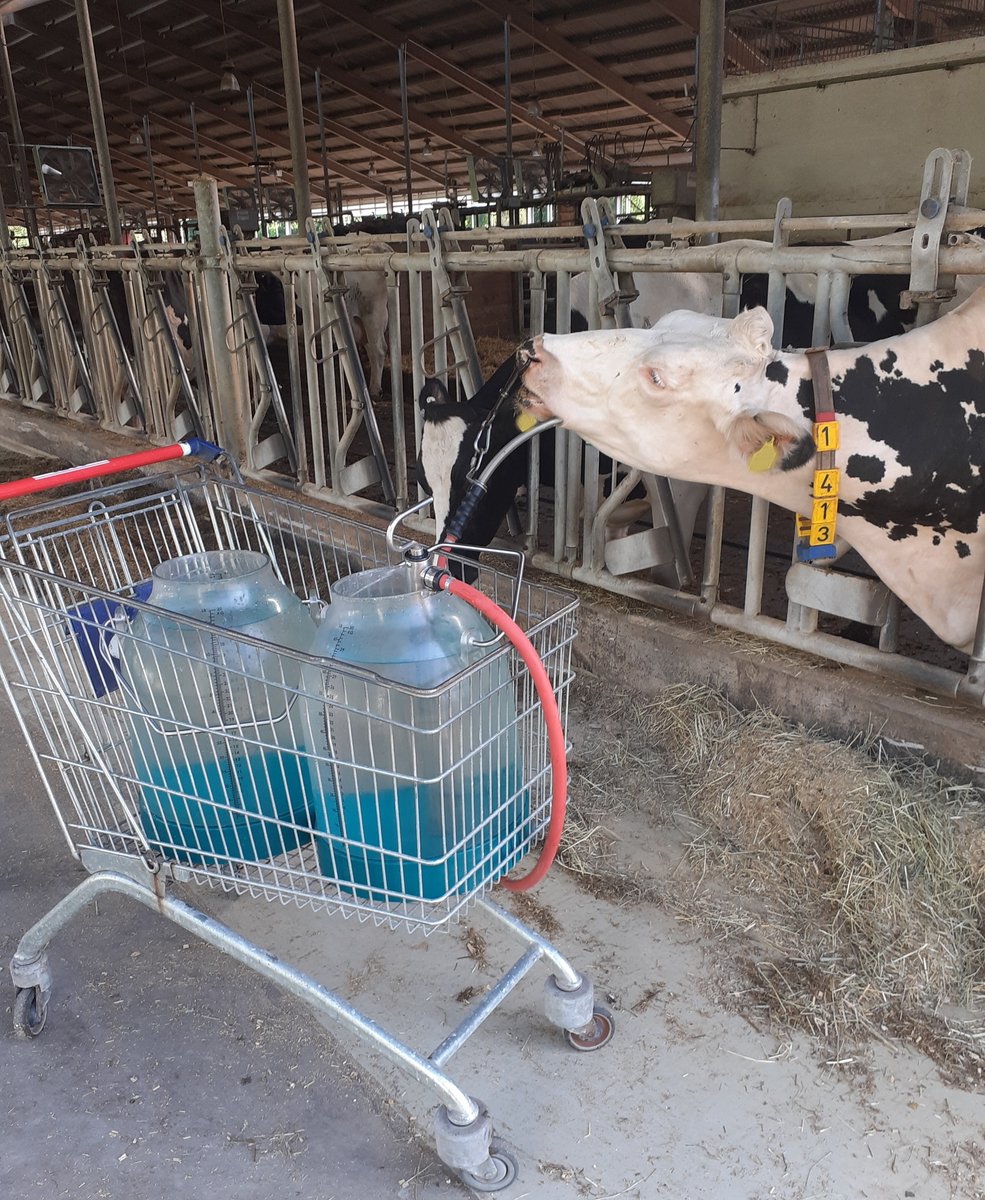
(Image: Dr Theresa Scheu, Hofgut Neumühle Teaching and Research Centre)
5.2.4 Watering the cows
If sick animals do not drink enough water, this can further worsen their condition. It can even lead to circulatory failure. Signs of dehydration in cattle include reduced skin turgor: if a skin fold is pinched on the side of the neck or on the eyelid, it remains in place. The speed at which the skin fold disappears completely provides an indication of the animal’s hydration status. Furthermore, the eyes may appear sunken and ‘hollow’. In such cases, water should be administered. In a procedure known as drenching, fluid is administered into the rumen. If the animal has never been drenched before, a vet should be present during the first drenching. Errors can lead to serious injury to the cattle, for example if water accidentally enters the lungs or the oesophagus is injured.
In this video, Georg Stieg, a qualified vet from DR.VET – Die Tierärzte, explains how to perform drenching safely: https://www.youtube.com/watch?v=NEgn8v8mdME
Note: Various models for drenching are available on the market. The vet can provide specific guidance when using the equipment for the first time.
6.2 How can I determine transportability?
Depending on the nature of the injury or illness, animals may sometimes be excluded from transport. Reasons:
- Weakened animals
- cannot assert themselves against stronger animals
- cannot maintain their balance during the journey (braking, changes of direction, acceleration)
- Injuries or organ prolapse could be exacerbated by transport, leading to significant pain and damage, and potentially to death due to haemorrhaging
- Illness could cause the animal to suffer considerably during transport and possibly die, e.g. because it cannot get enough air or its circulation fails
- Exception: Transport for veterinary treatment (in consultation with a vet)
The animal’s fitness for transport should be checked by the responsible persons in good time before loading. The following criteria indicate fitness for transport:
- An alert, responsive animal
- Moist mucous membranes
- Normal breathing
- good physical condition
- distributes weight evenly across all four legs when standing and walking, straight back
- no obvious signs of pain
Farmers and vets can use guidelines to decide whether an animal is fit for transport or not.
Recommended guides
- Guidance and advice on planning, preparing and carrying out short-distance animal transport: Lower Saxony Ministry of Food, Agriculture and Consumer Protection, Animal Transport Project Group of the Lower Saxony Livestock Strategy – Animal Welfare Plan 4.0 (2022)
- North Rhine-Westphalia Chamber of Agriculture, Westfleisch SCE mbH (2019): Guidelines. Correctly assessing the transportability and slaughterability of cattle. Published by the Cattle Health Service of the North Rhine-Westphalia Chamber of Agriculture, Westfleisch SCE mbH.
- Eurogroup for Animals, UECBV, Animals’ Angels, ELT, FVE, IRU (2012): Practical guide to determining the transport fitness of adult cattle.
- Vion Zucht- und Nutzvieh GmbH (2020). Guide to cattle transport. Information sheet on determining the fitness for transport of adult cattle.
- For Switzerland: Federal Office for Food Safety of sick and injured slaughter animals & Association of Swiss Cantonal Veterinarians (2022): Guidelines: Assessment of the fitness for transport of sick and injured slaughter animals.
7.1 Killing in self-defence
It is not always possible to prevent animals from becoming so seriously injured or ill that emergency slaughter becomes necessary. Emergency slaughter is the humane killing of sick and injured animals within a herd. It refers to the stunning and killing of an animal when there is no other practical way to alleviate its pain and suffering. Emergency slaughter does not serve a commercial purpose, but is always decided on a case-by-case basis with reasonable grounds. Once the decision has been made that no further treatment will take place and that the meat of an animal is unfit for human consumption – for example, due to an inflammatory or infectious disease, or because the withdrawal period for medication has not yet elapsed – slaughter cannot take place.
For the emergency slaughter of cattle, euthanasia (lethal injection) by a vet or stunning by bolt gun followed by killing through blood drainage or destruction of the spinal cord by a person with the necessary expertise are options. The carcass and, where applicable, the blood must be disposed of at the animal carcass disposal facility.
Further information on emergency slaughter:
7.2 Emergency slaughter
Emergency slaughter requires that an otherwise healthy animal has suffered an accident which, for animal welfare reasons, prevents it from being transported to the slaughterhouse. In all cases, a pre-slaughter inspection (‘live inspection’) must be carried out by an official veterinarian. ‘Emergency slaughter’ under food law is therefore not to be equated with ‘emergency killing’ within the meaning of animal welfare law. In the case of emergency slaughter, the meat of the animal is fit for human consumption provided that the following conditions are met. The legal basis for the slaughter of farm animals is set out in Chapter VI of Annex III to EU Regulation (EC) No 853/2004.
- Conditions:
- in the case of animals with fresh injuries that are difficult to heal, e.g. broken bones, lacerations, acute uterine prolapse, large, heavily bleeding wounds. The animal is unfit for transport
- the incident must not have occurred more than 24 hours ago
- the animal’s general condition is otherwise good
- Procedure:
- The official veterinarian must carry out a pre-slaughter inspection (‘live inspection’) of the animal and be present during stunning and bleeding by the slaughterer.
- He must then issue a certificate for emergency slaughter, noting the findings and the time of bleeding (accompanying document in accordance with Annex 8 of the ‘Animal Food Hygiene Regulation’ (TierLMHV) or Annex IV, Chapter 5 of Regulation (EU) 2020/2235).
- The farmer must complete the food chain information (‘standard declaration’ – Annex 7 TierLMHV) and, among other things, confirm with their signature that there have been no withdrawal periods for medicinal products in the last 7 days or which medicinal products have been administered for which the withdrawal period has expired in the last 7 days.
- Since 2021, the farm veterinarian may only issue this certificate if they have been appointed as an “official veterinarian” for emergency slaughter by the competent veterinary authority. (Note: The competent veterinary authority can be contacted to find out which veterinarians registered there have been appointed as official veterinarians).
- The animal is stunned by the slaughterer using a captive bolt and killed by bleeding.
- The slaughtered animal and the blood must be transported to the abattoir under hygienic conditions within 2 hours. Further processing takes place there immediately.
In the case of cows involved in accidents during the final trimester of pregnancy, slaughter is not possible, as the prompt killing of the unborn calf must be ensured. Killing is carried out using specially authorised medication (euthanasia).
7.3 Home slaughter
When slaughtering cattle for private consumption within one’s own household (home slaughter), an official ante-mortem inspection is not normally required. However, if the animal shows signs of ill health, the owner must have a ‘pre-slaughter inspection’ carried out by an official veterinarian. Sick animals (e.g. cattle with a fever) must under no circumstances be slaughtered for human consumption, not even for personal consumption.
Products from home slaughter, even from animals fit for slaughter, must not under any circumstances be passed on to persons outside the household.
Stunning and killing must be carried out by a person with the necessary expertise (in the case of a service provider: proof of competence). The subsequent slaughtering, cutting and processing do not need to be carried out at an approved slaughterhouse in the case of home slaughter.
However, a post-mortem inspection must always be carried out by an official veterinarian, and if home slaughter takes place due to an accident (emergency slaughter), a BSE test must be carried out on cattle over 4 years of age. Animal by-products and risk material must be disposed of properly (disposal of animal carcasses).
Further information is set out in the legal framework governing the slaughter of farm animals in EU Regulation (EC) No 853/2004 and the Animal Slaughter and Processing Ordinance (TierLMHV).
7.4 Mobile slaughter
The new EU regulations on mobile slaughtering (Chapter VIa of Annex III to Regulation (EC) No 853/2004) have been in force since 9 September 2021.
The authorisation procedure and the legal basis are described in detail in the new Hessian guidelines dated 13 September 2022.
Slaughter at the holding of origin in accordance with Chapter VIa of Annex III to Regulation (EC) No 853/2004 is expressly not a provision for emergency slaughter. This is demonstrated by the fact that every slaughter must be notified at least 3 days in advance and a different accompanying document must be completed (Annex IV, Chapter 3 of Regulation (EU) 2020/2235).
Sick animals may not be slaughtered, even on a mobile basis. However, in individual cases, slaughter cows with mild to moderate lameness but in good general health may be spared a long live transport to the abattoir through a pre-approved on-farm slaughter. This applies only if they are fever-free and their fitness for slaughter is confirmed by the official veterinarian. The lameness should also be recorded as a relevant prior finding in the food chain information (standard declaration) and in the accompanying document in accordance with Annex IV, Chapter 3 of Regulation (EU) 2020/2235.
Bibliography
- Boehringer Ingelheim Vetmedica GmbH (2020): Treating pain. URL: www.ubrocare.de/warum-schmerzen-behandeln.aspx; accessed on 18 July 2022.
- Boehringer Ingelheim Vetmedica GmbH (2020): Recognising pain. URL: www.ubrocare.de/schmerzen-erkennen; accessed on 18 July 2022.
- Brinkmann J, Cimer K, March S, Ivemeyer S, Pelzer A, Schultheiß U, Zapf R & Winckler C (2020): Animal welfare indicators: Practical guide – cattle. Recommendations for dairy cows, rearing calves and beef cattle. Darmstadt, KTBL, 2nd, updated edition.
- Federal Office for Food Safety of Sick and Injured Slaughter Animals & Association of Swiss Cantonal Veterinarians (2022): Guidelines: Assessment of the fitness for transport of sick and injured slaughter animals. URL: www.blv.admin.ch/blv/de/home/tiere/transport-und-handel/tiertransporte/anforderungen.html. Accessed on 18 July 2022.
- Ceva Tiergesundheit GmbH (2021): Gleerup pain scale. URL: f.hubspotusercontent30.net/hubfs/4368135/2%20DE%20Ruminants%20Blog%20Assets/Fruchtbarkeit/Downloads/Ceva_Arbeitsanleitung_Schmerzskala_nach_Gleerup_15.06.pdf; accessed on 18 July 2022.
- Cimer, Kornel1; March, Solveig1; Zapf, Rita4; Brinkmann, Jan1 (2021): Online training course on animal welfare indicators for dairy cows, rearing calves and beef cattle. Darmstadt, KTBL. URL: https://tierschutzindikatoren-schulung.ktbl.de; accessed on 18 July 2022.
- Dairy Australia Limited (2016): Down Cow decision tree. URL: www.dairyaustralia.com.au/resource-repository/2020/07/09/decision-tree-for-down-cows; accessed on 2 June 2022.
- DLG Fact Sheet 415 (2018): Lighting and lighting technology in cattle sheds. Published by DLG e. V., 2nd edition. URL: www.dlg.org/de/landwirtschaft/themen/technik/technik-tierhaltung/dlg-merkblatt-415/; accessed on 11 July 2022.
- DLG Fact Sheet 459 (2021): Handling sick and injured cattle. Published by DLG e. V., 1st edition. URL: www.dlg.org/de/landwirtschaft/themen/tierhaltung/milchproduktion-und-rinderhaltung/dlg-merkblatt-459; accessed on 18 July 2022.
- Dörfeld M (2022): Helping cows back on their feet. In Topagrar magazine. URL: www.topagrar.com/rind/aus-dem-heft/kuehen-auf-die-beine-helfen-9794031.html; accessed on 18 July 2022.
- Edler V, Grojer J, Hiebaum I, Schindecker SM, Ofner-Schröck E, Stöger E, Taschl S & Winckler C (2015): Guideline on Animal Welfare for Cattle. Published by BIO AUSTRIA. 1st ed. pp. 1–20. URL: www.bio-austria.at/app/uploads/Leitfaden-Tierwohl-Rind.pdf; accessed on 18 July 2022.
- Elite Magazine (2009): LocomotionScore (lameness class). URL: www.elite-magazin.de/img/e/8/2/d/f/9/90804515_bfffbd2b74.pdf. Accessed on 18 July 2022
- Eurogroup for Animals, UECBV, Animals’ Angels, ELT, FVE, IRU (2012): Practical guide to determining the transportability of adult cattle. URL: www.bsi-schwarzenbek.de/Dokumente/FINALTransportguidelinesDE.pdf; accessed on 18 August 2022.
- Häberli A (2009): Inforama Rütti – Assessment of the body condition of dairy cows. URL: www.inforama.ch/images/global/beratung/PflanzenbauTierhaltung/Tierhaltung/Beurteilung-der-Koerperkondition-von-Milchkuehen.pdf; accessed on 18 July 2022.
- Hau J, Van Hoosier G L (2003): Animal research ethics. Handbook of Laboratory Animal Science, 13–31.
- Hilbk-Kortenbruck K (2019): Euthanasia in emergencies. URL: www.elite-magazin.de/news/nachrichten/der-not-richtig-erlosen-12422.html; accessed on 18 July 2022.
- Hilbk-Kortenbruck K (2019): Tips for early diagnosis in cows and calves. URL: https://www.elite-magazin.de/news/nachrichten/tipps-zur-fruhzeitigen-diagnose-bei-kuh-kalb-11699.html; accessed on 18 July 2022.
- Hilbk-Kortenbruck K (2019): Care of a downer cow. URL: www.elite-magazin.de/news/nachrichten/versorgung-einer-festliegenden-kuh-12926.html; accessed on 18 July 2022.
- IASP Subcommittee on Taxonomy (1979) Pain terms: a list with definitions and notes on usage. Recommended by the IASP Subcommittee on Taxonomy. Pain 1979; 6:249–52.
- Klauenfitnet 2.0 (2020): Guide to movement assessment. URL: elearning.klauenfitnet.de/wp-content/uploads/2017/12/KLAUENfitnet-2.0-Merkblatt-Bewegungsbeurteilung.pdf; accessed on 18 July 2022.
- Animal Transport Guides Project Consortium (2018): Guide to best practice in the transport of cattle. Publications Office of the European Union. Luxembourg. URL: animaltransportguides.eu/wp-content/uploads/2017/03/DE-Guides-to-Good-practices-for-the-Transport-of-Cattle.pdf; accessed on 18 July 2022.
- Laboratory of the Original Cantons. The Cantonal Veterinary Officer (2020): Handling sick and injured farm animals. URL: www.laburk.ch/wp-content/uploads/Merkblatt-kranke-und-verletzte-Nutztiere.pdf. Accessed on 18 July 2022.
- Lamp O (2020): Wound care with a farm first-aid kit: Just a scratch or a serious injury? Landwirtschaftliche Woche. 25. URL: webcache.googleusercontent.com/search:https://www.lw-heute.de/mediaarchiv/grab_pic.php%3Fid%3D50755+&cd=1&hl=de&ct=clnk&gl=de Accessed on 2 June 2022.
- Upper Austrian Chamber of Agriculture (2015): Cow Comfort. Barn construction centred on the cow. Published by the Upper Austrian Chamber of Agriculture.
- Upper Austrian Chamber of Agriculture, Cattle Production Advisory Service (2020): Manure assessment. Colour, odour, consistency, excrement residues. URL: https://ooe.lko.at/f%C3%BCtterung+2400+3251257; accessed on 18 July 2022.
- North Rhine-Westphalia Chamber of Agriculture, Westfleisch SCE mbH (2019): Guide. Correctly assessing the transportability and slaughterability of cattle. Published by the Cattle Health Service of the North Rhine-Westphalia Chamber of Agriculture, Westfleisch SCE mbH. URL: www.landwirtschaftskammer.de/landwirtschaft/tiergesundheit/pdf/leitfaden-rindertransport.pdf; accessed on 18 July 2022.
- Leßmann H, Petermann S (2016): Animal-welfare-friendly management of sick and injured pigs. Praktischer Tierarzt, 97 (7), 628–632.
- Lorz A, Metzger E (1999): Animal Welfare Act. C. H. Beck, 5th edition, Munich.
- Pelzer A, Kaufmann O (2016): DLG Fact Sheet 381: Focus on the animal – dairy cows.
- Guidance on the systematic recording of behaviour and physical characteristics
- in dairy cows in dairy barns. Published by DLG e. V., 5th ed. pp. 1–24. URL: https://www.dlg.org/fileadmin/downloads/landwirtschaft/themen/publikationen/merkblaetter/dlg-merkblatt_381.pdf; accessed on 18 July 2022.
- Reifenberg K (2019): Lecture 9: Pain, Suffering, Injury. University of Mainz. URL: www.blogs.uni-mainz.de/fb10-ag-wolfrum/files/2019/01/Vorl9-Schmerzen-Leiden-Schaden.pdf; accessed on 18 July 2022.
- Resch K (2018): First aid for injuries. URL: www.milchpraxis.com/erstversorgung/; accessed on 18 July 2022.
- Scheu T (2021): A systematic approach to decision-making. RBZ – No. 44.
- Schmidtmann C, Petersen J, Breuer K, Leisen M, Thaller G (2020): Economic evaluation of direct health traits for the development of a production index for the German Holstein breed. Züchtungskunde, 92, 257–271.
- Spengler Neff A, Notz C, Ivemeyer S, Walkenhorst M (2015): Body condition scoring. Published by the Research Institute of Organic Agriculture (FiBL)., 1st ed. pp. 1–2. URL: www.fibl.org/fileadmin/documents/shop/1414-bcs-anleitung.pdf; accessed on 18 July 2022.
- Stachowicz J, Umstätter C (2020): Overview of commercially available digital systems in livestock farming. Agroscope Transfer, 294(20), 2–26.
- Swissgenetics (2009): What manure reveals about the cow. URL: https://die-fruchtbare-kuh.ch/fileadmin/user_upload/customers/swissgenetics/Dokumente/Beratungsartikel/2009/0909_d_Was_der_Kot_ueber_die_Kuh_verraet_Was_der_Kot_ueber_die_Kuh_verraet.pdf; Accessed on 18 July 2022.
- Swissgenetics (2021): Cow signals, diseases, teeth grinding. URL: die-fruchtbare-kuh.ch/kuhsignale/erkrankungen/zaehne-knirschen/; accessed on 18 July 2022.
- Animal Welfare Guidelines (2007): Animal Welfare Guidelines for Dairy Cattle Farming. Published by the Lower Saxony Ministry for Rural Affairs, Food, Agriculture and Consumer Protection. Hanover.
- Tyrolean Animal Health Service (2010): Healthy and fit for optimal performance. Guide to regular body condition assessment for Fleckvieh cattle. BCS – Body Condition Scoring for Fleckvieh (in collaboration with the Upper Austrian Chamber of Agriculture, the Vöcklabruck Agricultural College, the Vöcklamarkt Veterinary Practice and the Aulendorf Education and Knowledge Centre. URL: www.t-tgd.at/images/Broschueren/Tir_TGD_Fleckvieh_AK3-1.pdf; accessed on 18 July 2022.
- Traulsen K (2014): The cow roars inaudibly in pain. URL: https://www.milchpraxis.com/die-kuh-bruellt-unhoerbar-vor-schmerz; accessed on 18 July 2022.
- Umsätter C, Hart L, Schneider M (2021): Is the cow eating enough? Procedure for assessing the hunger pit. Published by Agroscope, Tänikon, Ettenhausen. Fact Sheet No. 127, 2021, 4 pp. URL: www.agroscope.admin.ch/agroscope/de/home/aktuell/newsroom/2021/04-07_bewertung-hungergrube-kuh.html, accessed on 18 July 2022.
- Van Soest F J S, Mourits M C M, Blanco-Penedo I, Duval J, Fall N, Krieger M, Sjöstrom K, Hogeveen H (2019): Farm-specific failure costs of production disorders in European organic dairy herds. Preventive Veterinary Medicine, 168, 19–29.
- Vion Zucht- und Nutzvieh GmbH (2020): Guide to cattle transport. Information sheet on determining the transportability of adult cattle, Bad Bramstedt. URL: www.vion-zucht-und-nutzvieh.de/wp-content/uploads/sites/16/2020/12/Transport-Rind_Langversion_01.pdf; accessed on 18 July 2022.
- Weerda M (2021): We need to talk about slaughter. In: Elite Magazine for Dairy Farmers 4/2021.
- Welfare Quality® (2009): Welfare Quality® assessment protocol for cattle. Welfare Quality® Consortium, Lelystad, Netherlands. URL: www.welfarequalitynetwork.net/media/1088/cattle_protocol_without_veal_calves.pdf; accessed on 18 July 2022.
- Zanolari P, Monnard R, Hirsbrunner G (2019): Lifting techniques for recumbent cattle. Swiss Journal of Veterinary Medicine (SAT). Volume 161, Issue 10. Bern. URL: sat.gstsvs.ch/fileadmin/datapool_upload/IgJournal/Artikel/pdf/SAT_10_2019_Zanolari.pdf; accessed on 18 July 2022.
- Legal / Legislation
- Regulation on the Hygiene of Food of Animal Origin, as published on 18 April 2018 (Federal Law Gazette I, p. 480 (619)), amended by Article 2 of the Regulation of 11 January 2021 (Federal Law Gazette I, p. 47).
- Animal Welfare Act in the version published on 18 May 2006 (Federal Law Gazette I, pp. 1206, 1313), last amended by Article 105 of the Act of 10 August 2021 (Federal Law Gazette I, p. 3436).
- Animal Welfare and Livestock Husbandry Ordinance, as published on 22 August 2006 (Federal Law Gazette I, p. 2043), last amended by Article 1a of the Ordinance of 29 January 2021 (Federal Law Gazette I, p. 146).
- Council Regulation (EC) No 1/2005 of 22 December 2004 on the protection of animals during transport and related operations and amending Directives 64/432/EEC and 93/119/EC and Regulation (EC) No 1255/97.
- Regulation (EC) No 853/2004 of the European Parliament and of the Council of 29 April 2004 laying down specific hygiene rules for food of animal origin.
- Regulation on the protection of animals at the time of slaughter or killing and implementing Council Regulation (EC) No 1099/2009 (Animal Welfare at Slaughter Regulation – TierSchlV).