- Prof. Dr Axel Wehrend, Veterinary Clinic for Reproductive Medicine and Neonatology, Justus Liebig University Giessen
- Prof. Dr Johannes Kauffold, Clinic for Ungulates, University of Leipzig
- Peggy Käferle, Thüringer Landgesellschaft mbH
- Julia Maischak-Dyck, Landesbetrieb Landwirtschaft Hessen
- Lukas Trzebiatowski, Department of Veterinary Reproductive Medicine and Neonatology at Justus Liebig University Giessen
The rate of difficult births in cows is reported internationally to be between two and seven per cent, although there are significant variations between individual farms. A higher incidence of birth complications leads to economic losses and also poses an animal welfare issue. Effective calving monitoring on cattle farms is a key factor in identifying and preventing calving complications, and in setting the course for a healthy calf life and an unhindered start to lactation.
Birth monitoring can be carried out via manual animal inspection by a person, human-assisted monitoring using sensors or cameras, or solely through sensor-based systems. Manual animal inspection by a qualified operator is considered the gold standard; however, this method is location-dependent, may cause stress to the animal and is more time-consuming than other birth monitoring methods. Technically assisted monitoring makes use of tools such as cameras. These systems require active operation, but the need to be physically present is eliminated if they can be controlled via the internet. Sensor-based systems automatically send a signal when a predefined sensor threshold is exceeded.
The increasing difficulty in finding qualified staff and the simultaneous rise in technical systems in cattle sheds are leading to a growing importance of using these systems for birth monitoring.
However, there is a lack of data on the extent to which these systems are in use in practice and whether they have proven effective on farms.
For this reason, the Focus Animal Welfare Network conducted an online survey to assess the prevalence of technical systems for birth monitoring and to find out why farms do not use such systems or decide against them.
| Type of farm |
|
| Type of business |
|
| Farm size |
|
| Are technical aids used on the farm for calving monitoring? |
|
| If so, what were the reasons for using them? |
|
| If not, what were the reasons? |
|
| What technical tools do you use? |
|
| How would you rate the technical aid you use for birth monitoring (1 = very good to 6 = very poor) |
|
| Would you recommend the system you use? |
|
| What do you particularly appreciate about the system you use? | Free text |
| What particularly bothers you about the system you use? | Free text |
| How long have you been using the system? | Free text |
| How has the calving process (e.g. birth outcomes, stillbirths, labour management) changed since then? | Free text |
Survey results
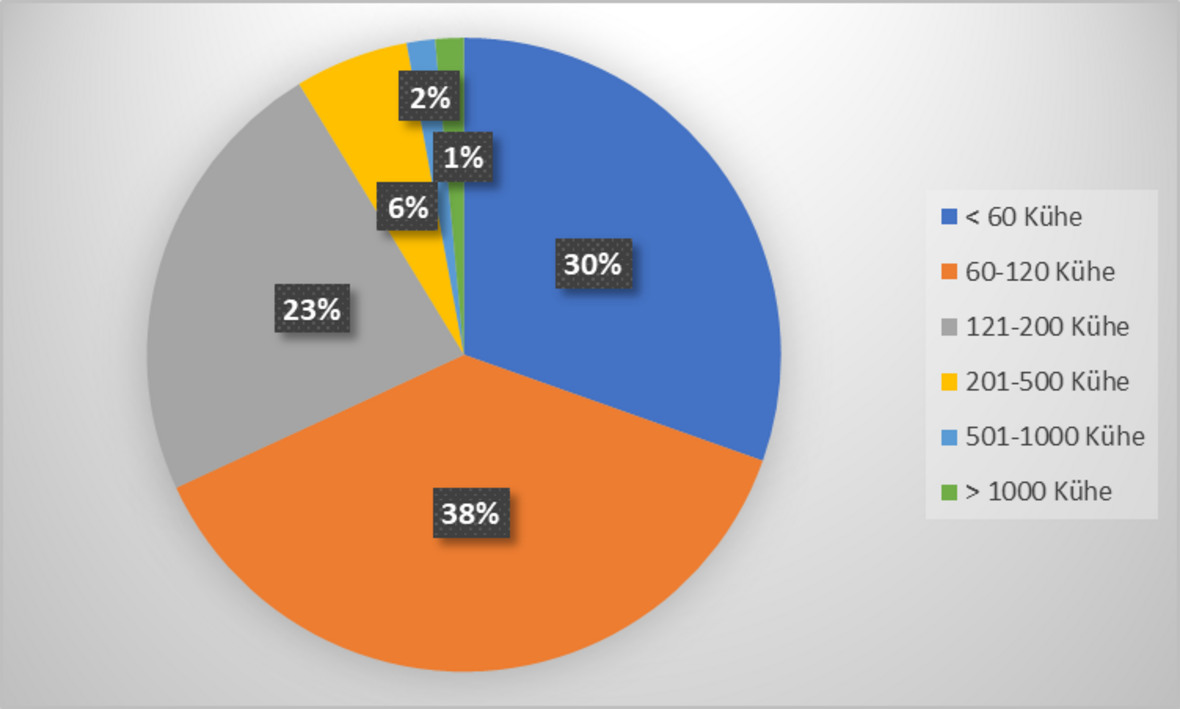
A total of 76 participants completed the survey. The participants comprised 62 farms with dairy cows, 12 farms with suckler cows and two farms that keep both dairy and suckler cows.
Around 42% of the farms surveyed currently use technical systems for birth monitoring.
Of these farms, around 48% use the system for the entire herd and 52% for part of the herd or specific individual animals. When asked how the animals are selected, the reasons given included the availability of technical equipment, ‘problem animals’, overweight animals, first-calf heifers or known twin pregnancies.
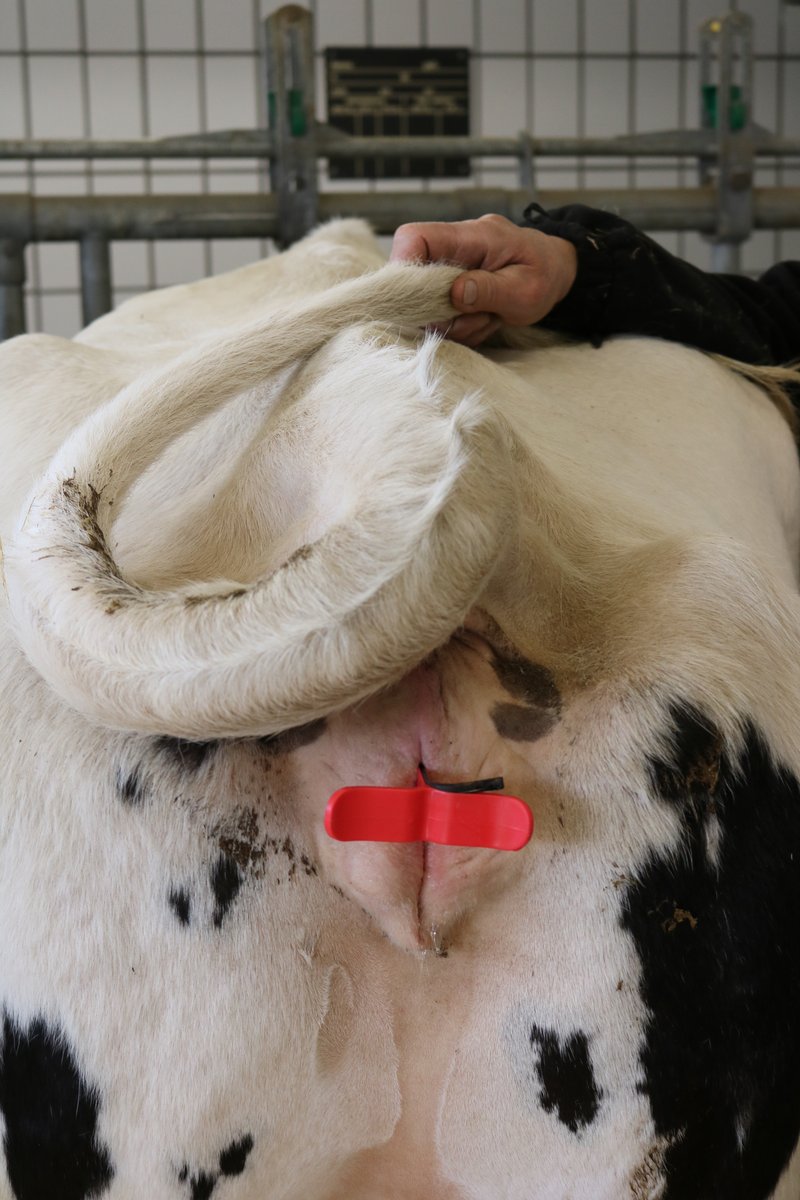
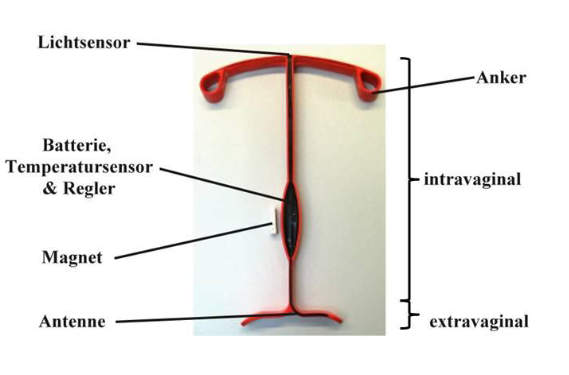
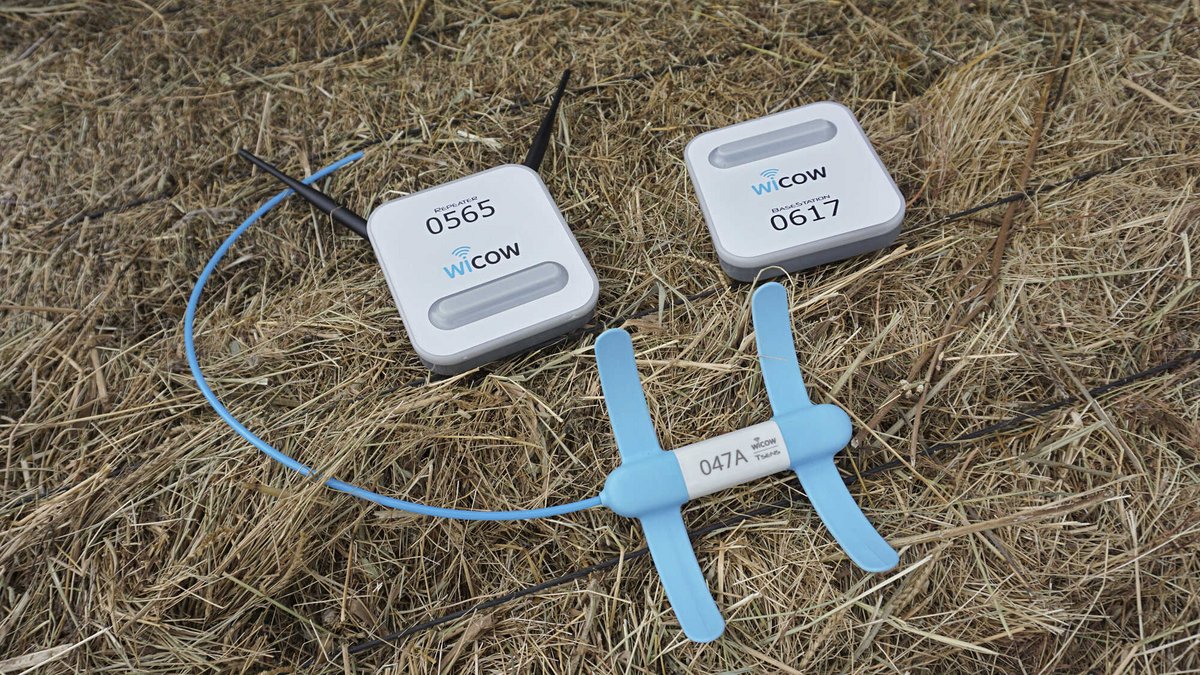
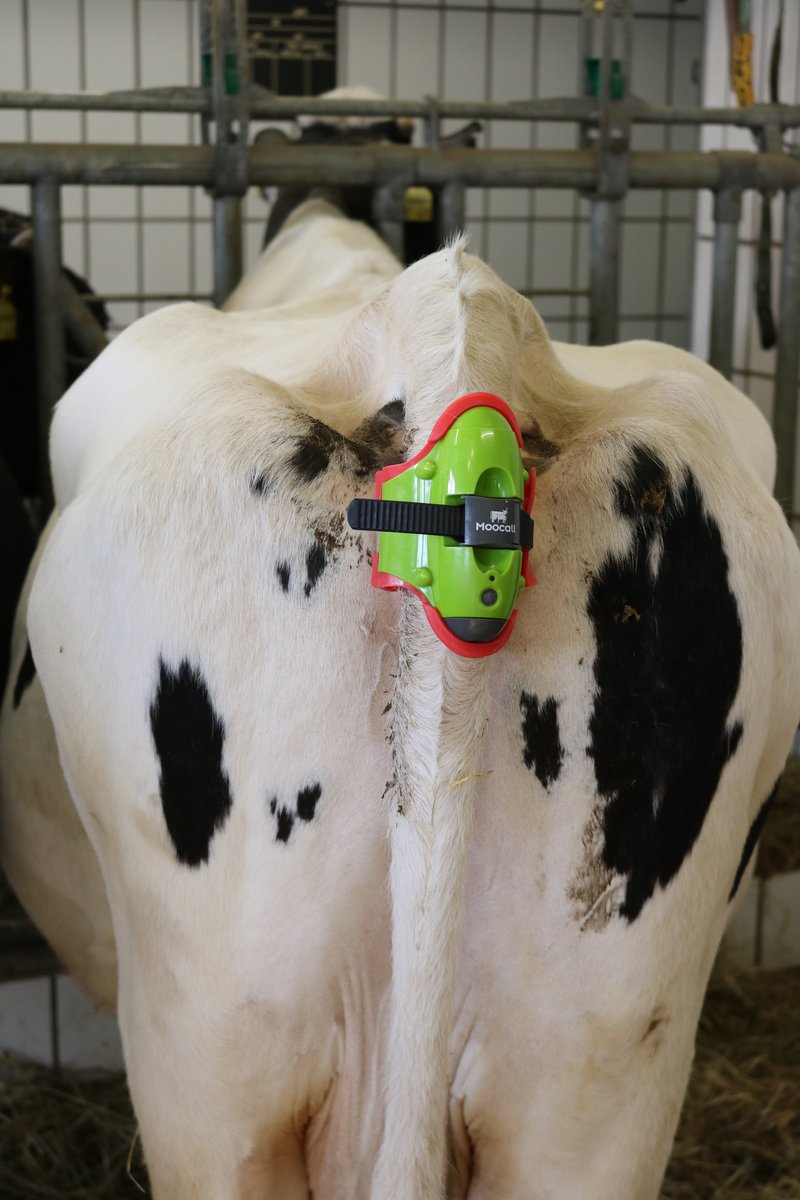
| Number of farms | Birth detector (tail root) | Rumen bolus | Intravaginal birth detector | Video camera |
| 3 | x | |||
| 3 | x | x | ||
| 2 | x | |||
| 3 | x | x | ||
| 2 | x | |||
| 1 | x | x | ||
| 10 | x | |||
| 1 | x | x | x | x |
| 4 | No information | |||
<figcaption>Table 1: Systems or combinations of systems used for birth monitoring on the 29 participating farms</figcaption>
Around 58% of farms would recommend their calving monitoring system without reservation, approximately 38% with reservations, and around 4% do not recommend the system they use.
A particularly valued aspect of the systems is that their use is not location-dependent. This allows monitoring to take place without disturbing the animals. The reliability of most systems is viewed positively. With regard to video cameras, the ability to follow the progress of the birth and the option of retrospective review via stored footage are also recognised as advantages.
When asked whether anything had changed in calving management, 17% of farms reported that difficult births are detected more quickly and assistance can be provided promptly. The rapid post-calving care of the cow to prevent metabolic disorders and the timely provision of colostrum to the calf were mentioned as positive aspects. Additionally, farm managers report having more time for family and hobbies.
Depending on the system, installation and set-up were found to be difficult. Problems can result from poor network coverage or a Wi-Fi connection prone to interference. A drawback of the video cameras is that they do not trigger a birth alert, meaning that monitoring must still be carried out by humans. The attachment of birth detectors to the tail was identified as a problem by various participants, as tightening the sensor too tightly can lead to constriction of the tail, whilst tightening it too loosely can result in the sensor becoming detached.
Farms that stated they did not use technical systems for birth monitoring were asked why they did not use these systems. The reasons cited included investment costs, the large number of technical systems that send notifications, the inability of these systems to communicate with one another, a lack of information about available systems, and positive experiences with the birth monitoring methods used to date.
In summary, it can be stated that experiences with technical systems for birth monitoring are generally positive, even though the various systems exhibit differences in terms of reliability and potential weaknesses. A farm-specific solution can reduce the workload on farm staff and have a positive impact on animal welfare. Better information on potential birth monitoring systems and greater knowledge of the various applications of systems already in use on farms could significantly increase their practical adoption.