
Current challenges in pig farming – insights into housing assessment, sow nutrition and practical developments at the network meeting of the ‘Impulsbetriebe Schwein’ pilot farms
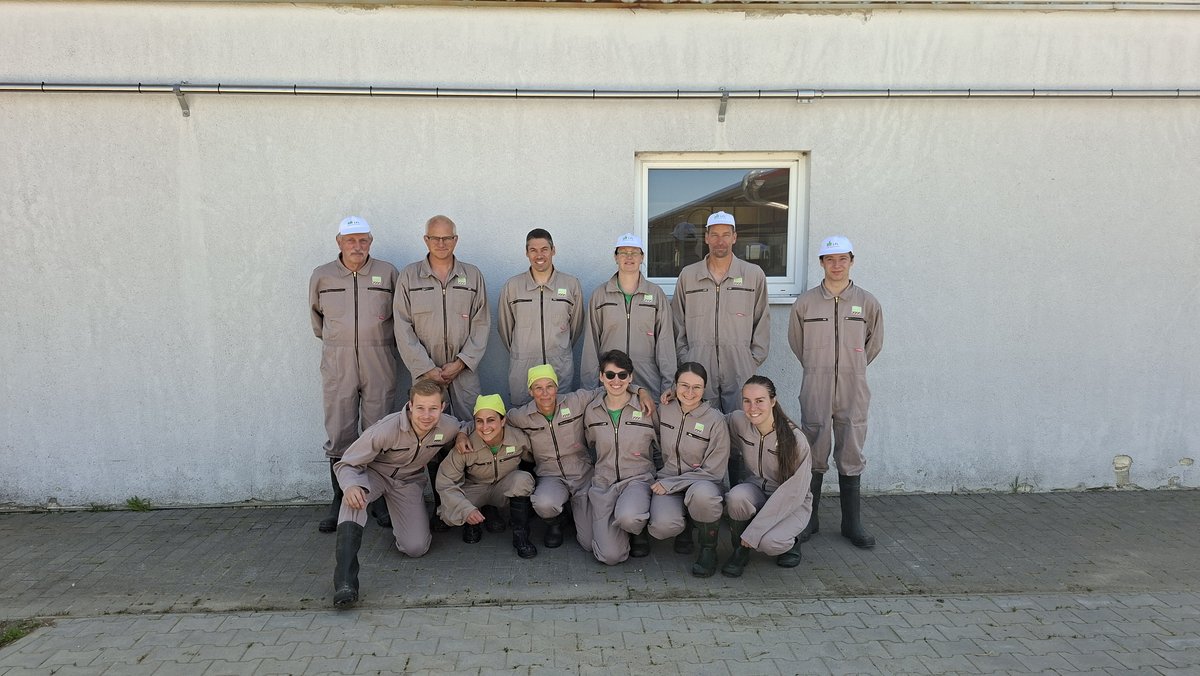
On 27 and 28 May 2026, the pig pilot farms of the Fokus Tierwohl network met for their second network meeting of the year in Schwarzach am Main, Bavaria. The participating pilot pig farms gathered at the Staatsgut Schwarzenau, together with FiBL Deutschland e.V., the pig division of the LWK NRW, and the network coordinator Katja Braase from the VLK.
Following a welcome from Christian Lambertz and Paulina Kluger of FiBL Deutschland e.V., the first day of the event began with a round of introductions by the participating farms. Some farms had brought along photos and videos of their holdings, which enabled a lively exchange right from the start on the specific characteristics of their operations, current developments and practical challenges.
Dr Scholz from the Board of Trustees for Technology and Construction in Agriculture (KTBL) then presented the interactive calculation and information system for livestock farming methods (InKalkTier). In her introduction, she explained the programme’s wide-ranging assessment criteria, including animal welfare, emission potential, and investment and operating costs. Using examples from pig farming, she demonstrated the potential applications of the web-based tool and illustrated how farms can analyse their own husbandry practices and compare them with alternative systems. Furthermore, future husbandry practices can also be modelled and assessed. The ensuing discussion highlighted the participants’ interest. Particularly practical was the case study from a farm that had already used InKalkTier as part of a barn construction project.
After a short break, the focus shifted to the topic of ‘Current challenges in sow nutrition’. Prof. Dr. agr. Georg Dusel from Bingen University of Applied Sciences provided valuable insights from both research and practice on this subject. Together with the participants, he first discussed current challenges on farms, including low weaning weights in piglets, problems relating to hooves and foot health, and ensuring good milk production in sows. He then presented the latest research findings on the feeding of pregnant and lactating sows. It became clear that, in addition to an energy and protein supply tailored to the animals’ needs, the provision of selected amino acids, vitamins and additives in particular plays an important role in the development of piglets. A special focus was placed on the importance of the fibre fraction in the feed. This not only contributes to the sow’s satiety and keeps her occupied, but also supports gut health and general well-being. When assessing fibre quality, Prof. Dusel particularly emphasised the bacterially fermentable substance, swelling capacity and water-holding capacity. He also addressed the quality and quantity of colostrum, explaining that its composition is subject to considerable individual variation. The presentation offered numerous technical insights and sparked lively discussions amongst the practitioners.
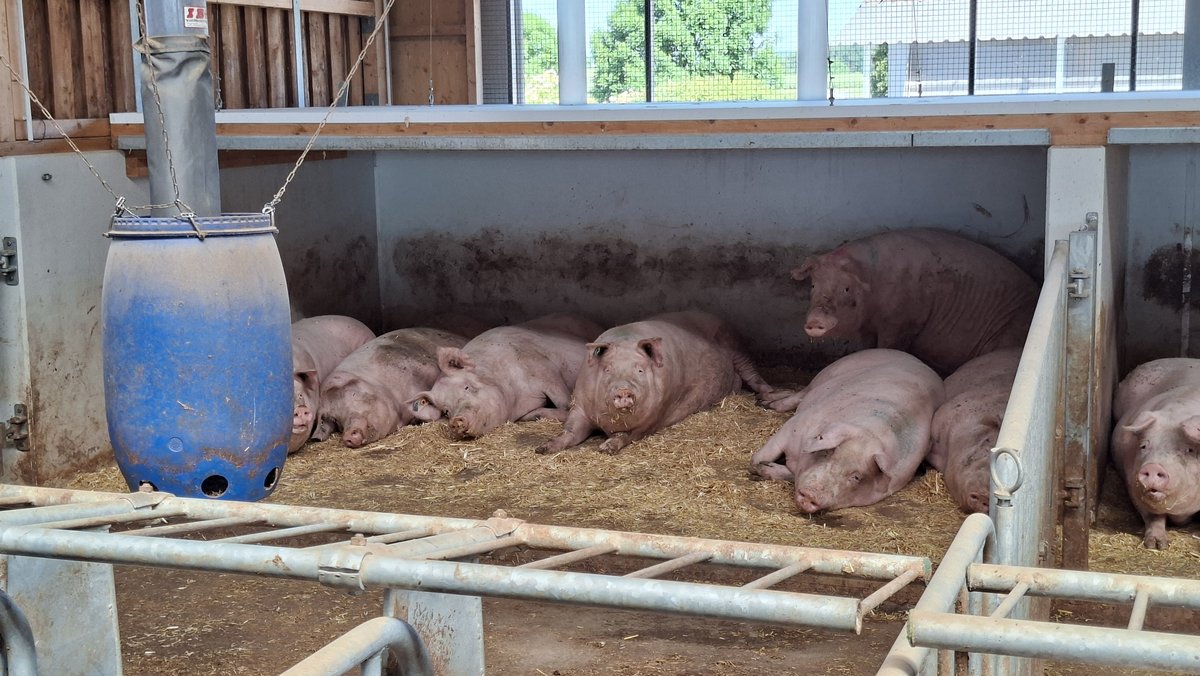
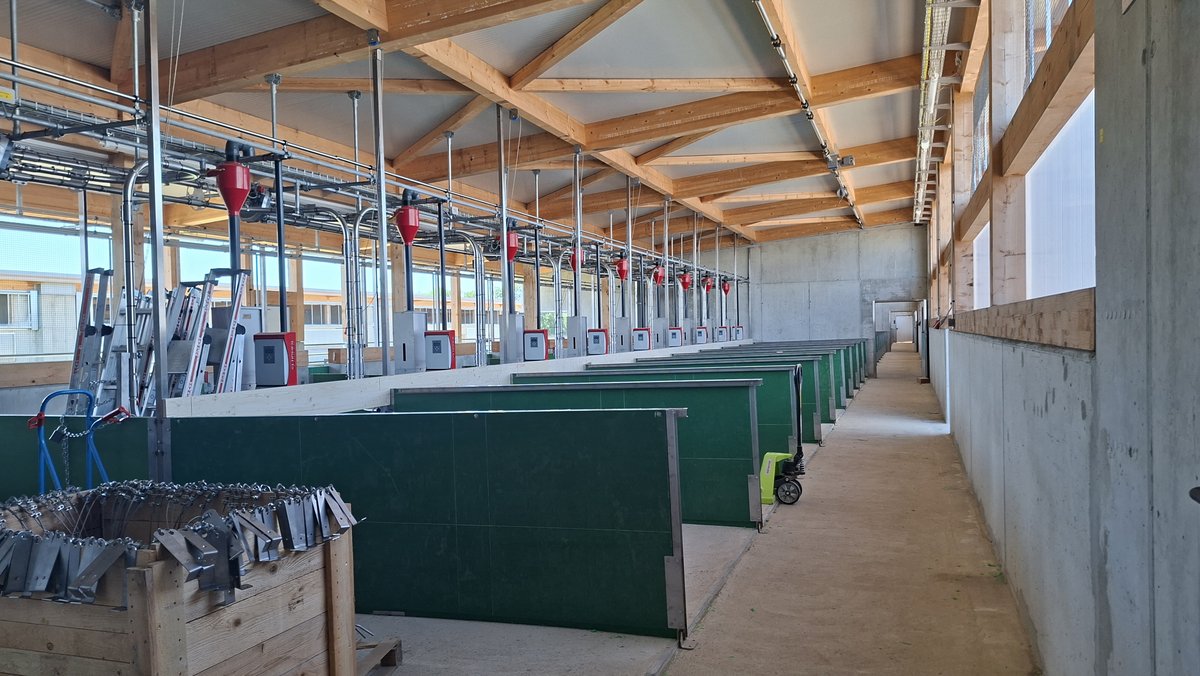
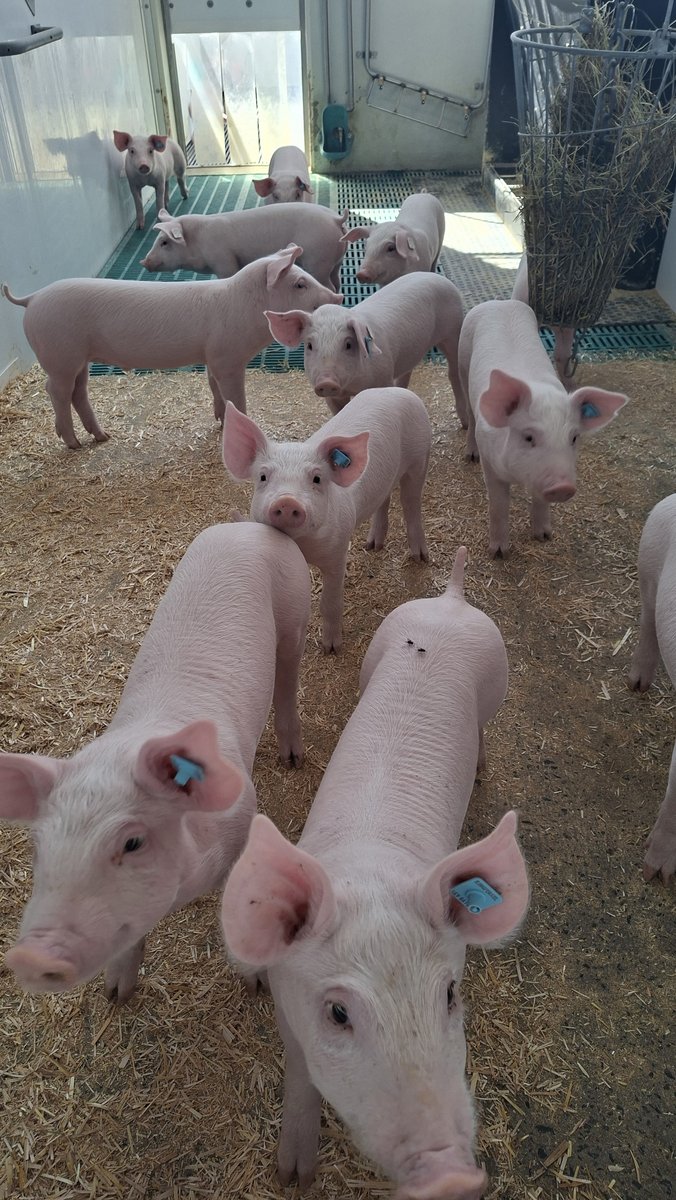
The evening concluded with a group dinner and further professional discussions. On the second day of the event, the participants visited the Schwarzenau State Farm. There, they gained an insight into the experimental pigsties, which house around 250 breeding sows, 1,000 piglet rearing places and 1,000 fattening places. Particular interest was also shown in the pig fattening barn currently under construction, the design of which was presented. In addition, participants were able to tour the farm’s own abattoir and learn about the processes carried out there.
After a light lunch together, the meeting concluded with a round-up and evaluation of the event. Initial ideas for the third network meeting of the year, which is expected to take place in the autumn, were already discussed. Despite a few last-minute cancellations, the number of participants was slightly lower than usual this time. However, this did not detract from the professional exchange. The in-depth discussion and open exchange of experiences once again demonstrated the significant added value the network brings to the participating farms.
The participants returned to their farms with fresh professional insights, strengthened contacts and practical knowledge. We would like to extend our sincere thanks to all the farms for their participation and their contribution to the success of the event! We look forward to seeing as many participants as possible at the next network meeting and at EuroTier.
Author: Paulina Kluger, FiBL Deutschland e.V.