
Cross-border insights: Schwein's impulse-driven businesses on a study trip to Denmark
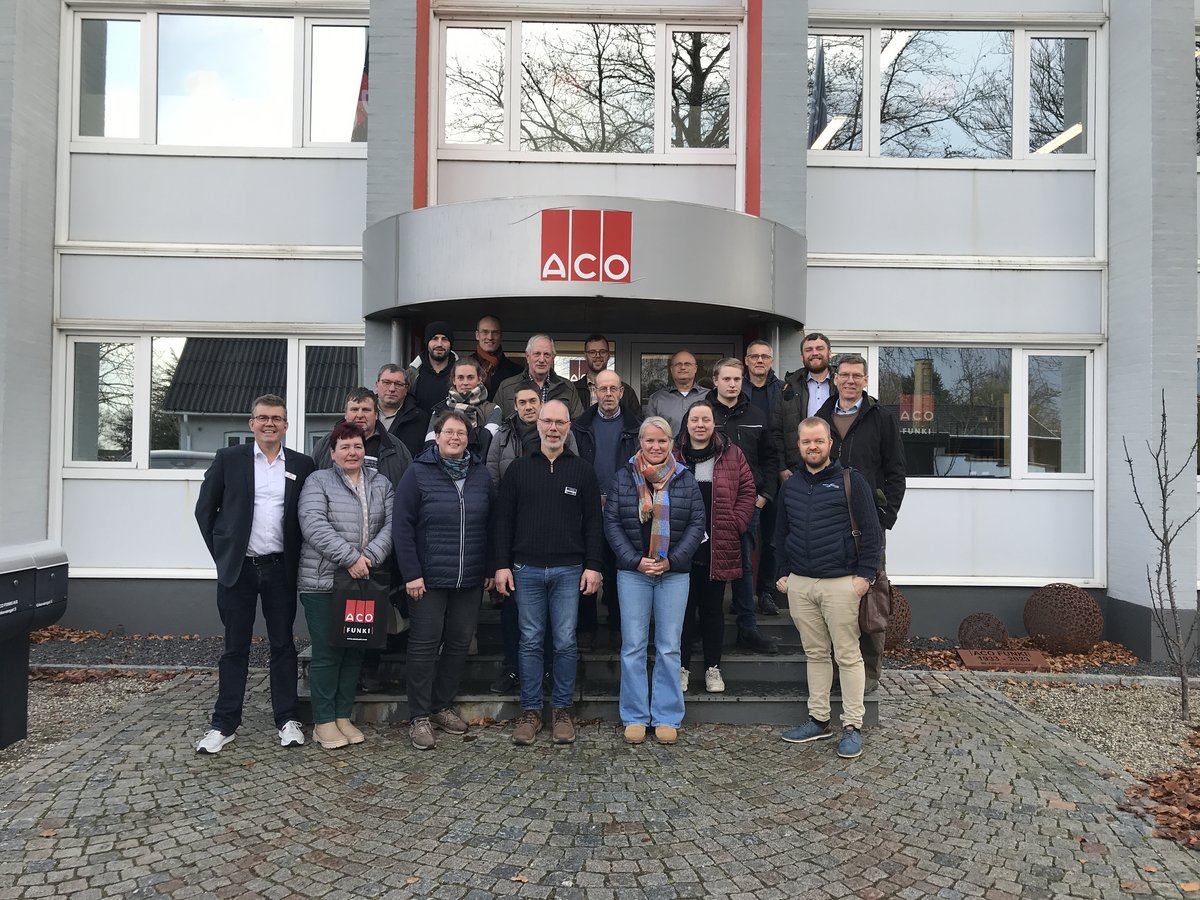
In November, the pig farms participating in the Focus on Animal Welfare network went on a study trip to Schleswig-Holstein and Denmark. The aim was to gain a wide range of insights into pig farming, pig breeding and agricultural research in Denmark. The trip concluded with a visit to one of the participating farms.
Visit to the Danish company DTL
After all participants met near Hamburg on the morning of 17 November, the farms set off together for Denmark. The first item on the agenda was a visit to the company DTL.
The participants were first given an introduction to the company and to Danish biosecurity standards. This included a clear presentation of how the process for preventing animal diseases is organised in Denmark – from the loading and transport of animals to reporting requirements to national databases and the thorough cleaning and inspection of vehicles. The flow of data between agricultural businesses and DTL was also explained. This includes, among other things, the documentation of individual transport processes, the inspection of vehicles, and cleaning and disinfection checks.
Afterwards, the group had the opportunity to visit the truck wash and gain a detailed insight into the cleaning process. The visit was rounded off with an exciting presentation on pig marketing and export. Among other things, export markets such as Poland, Spain and Germany were examined in more detail.
Visit to the Danish Pig Academy
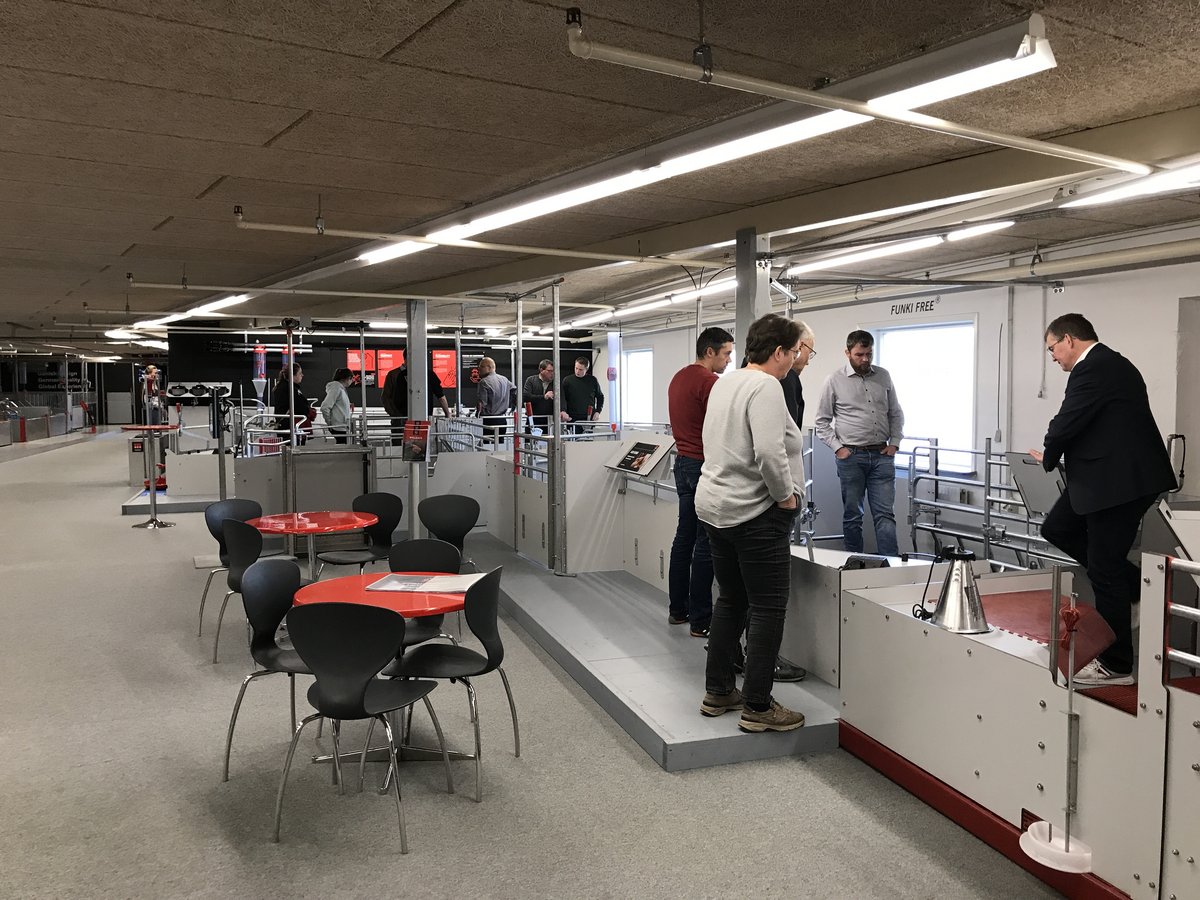
The second day was devoted entirely to the Danish Pig Academy – an association of Danish companies that develop technology and services for pig production. The group first attended several keynote presentations, including one on Hendrix Genetics, a life-saving supplement for newborn piglets, and innovative options for pen structuring. The presentations provided plenty of food for thought and led to lively discussions within the group. This was followed by a visit to the showroom – an impressive exhibition area where the participating companies present their products, housing equipment, ventilation and feeding systems, and digital solutions. Here, the farms were able to ask questions and learn about new technical approaches directly from practical models. Many took the opportunity to take a closer look at the innovations on display and take away ideas for their own farms. The day ended with a guided tour of Aarhus, where the group was able to get to know the cultural side of Denmark and reflect on the impressions of the day in a relaxed atmosphere.
Visit to DCA – National Centre for Food and Agriculture, the Danish Pig Farmers' Association and the Danish Pig Breeding Association DanBred
On the third day of the excursion, the group visited the National Centre for Food and Agriculture (DCA) at Aarhus University.
The first stop was the biorefinery, where the technology for extracting protein from green biomass was presented. The potential, prospects and challenges of the technology were discussed. The tour then continued to the Danish Cattle Research Centre. Here, the focus was on the climate impact of milk production and new research approaches to reducing methane emissions. Of particular interest was the subsequent visit to the ecological pig research facility, where participants gained practical insights into projects on outdoor sow husbandry and phosphorus management.
After a joint lunch break, the group visited the Danish Pig Farmers' Association and the Danish breeding association DanBred. During intensive discussions, it became clear that a central focus of many farms, research institutions, associations and politicians is the reduction of CO₂ emissions in pig production. After an eventful day full of impressions, the group returned across the border to Germany.
Visit to the Jörg Struve model farm (Schleswig-Holstein)
On the last day of the excursion, everyone visited Jörg Struve's innovative farm in Schleswig-Holstein. The farm operates at several locations in a completely closed system. With their newly built straw barn, the Struve family wants to gradually set new standards in animal welfare while also operating in a climate-friendly, eco-efficient, cooperative and regional manner.
Conclusion
The excursion offered extremely valuable and diverse insights into Danish pig farming.
The exchange within the group contributed significantly to the success of the trip. The participants took the opportunity to share experiences, discuss new ideas and take away inspiration for their own farm management. The visit to the German model farm at the end of the trip also highlighted the paths that farms are already taking today to further promote animal welfare and sustainability.
Overall, the study trip was a valuable enrichment – both professionally and personally – and further strengthened the network. We look forward to future meetings with motivation – once again in the familiar setting of a network meeting. Many thanks to all participants who contributed to the success of this trip.
Author: Paulina Kluger, FiBL Deutschland e.V.